

• Home
  • Agric
  • Sci & Tech
  • Health
  • Environment
  • Hausa News
  • More
    • Business/Banking & Finance
    • Politics/Elections
    • Entertainments & Sports
    • International
    • Investigation
    • Law & Human Rights
    • Africa
    • ACCOUNTABILITY/CORRUPTION
    • Hassan Gimba
    • Column
    • Prof. Jibrin Ibrahim
    • Prof. M.K. Othman
    • Defense/Security
    • Education
    • Energy/Electricity
    • Entertainment/Arts & Sports
    • Society and Lifestyle
    • Food & Agriculture
    • Health & Healthy Living
    • International News
    • Interviews
    • Investigation/Fact-Check
    • Judiciary/Legislature/Law & Human Rights
    • Oil & Gas/Mineral Resources
    • Press Freedom/Media/PR/Journalism
    • General News
    • Presidency
  • About Us
    • Contact Us
    • Board Of Advisory
    • Privacy Policy
    • Ethics Policy
    • Teamwork And Collaboration Policy
    • Fact-Checking Policy
    • Advertising
  • Media OutReach Newswire
    • Wire News
  • The Stories
Facebook Twitter Instagram
Trending
  • Naira holds steady at N1,582/€ as Euro weakens amid energy, growth pressures
  • Girls encouraged to lead in AI, digital economy
  • Experts call for boost in local snail production
  • FUTA MBBS programme secures MDCN accreditation, gets 100-student quota
  • West Africa advances lassa fever vaccine readiness
  • [EXPLAINER] Bottled water under the microscope: Why some brands stand out
  • ARD-KWASUTH begins 48-hour warning strike over assault on doctor
  • Nigeria strengthens response to SGBV
Facebook Twitter Instagram YouTube
AsheNewsAsheNews
  • Home
  • Agric

    Experts call for boost in local snail production

    April 23, 2026

    [EXPLAINER] Bottled water under the microscope: Why some brands stand out

    April 23, 2026

    Food prices remain elevated despite N7.65trn imports, FG interventions

    April 23, 2026

    Shettima inaugurates Kano grain facility

    April 23, 2026

    Lawmakers back post-harvest innovation

    April 23, 2026
  • Sci & Tech

    Girls encouraged to lead in AI, digital economy

    April 23, 2026

    RMRDC launches data-driven raw materials platform to boost investment, industrial growth

    April 21, 2026

    Apple names John Ternus as new CEO to lead $4trn tech giant

    April 21, 2026

    Tinubu appoints Fatima Zuntu as NBMA Director-General

    April 21, 2026

    LIFE-ND trains Abia workers in ICT, AI

    April 20, 2026
  • Health

    West Africa advances lassa fever vaccine readiness

    April 23, 2026

    ARD-KWASUTH begins 48-hour warning strike over assault on doctor

    April 23, 2026

    Nigeria strengthens response to SGBV

    April 23, 2026

    NMA suspends national president

    April 23, 2026

    Sightsavers trains health workers in sign language

    April 23, 2026
  • Environment

    FG seeks $516m external financing for Sokoto–Badagry superhighway

    April 23, 2026

    NGE warns NBC over sanction threat

    April 22, 2026

    Don urges geographers to tackle forest crisis

    April 21, 2026

    Ado residents decry poor electricity supply

    April 21, 2026

    ILO certifies 21 new social protection experts in Nigeria

    April 21, 2026
  • Hausa News

    Otti plans 250-room 5-star hotel in Umuahia

    April 11, 2026

    Anti-quackery task force seals 4 fake hospitals in Rivers

    August 29, 2025

    [BIDIYO] Yadda na lashe gasa ta duniya a fannin Ingilishi – Rukayya ‘yar shekara 17

    August 6, 2025

    A Saka Baki, A Sasanta Saɓani Tsakanin ‘Yanjarida Da Liman, Daga Muhammad Sajo

    May 21, 2025

    Dan majalisa ya raba kayan miliyoyi a Funtuwa da Dandume

    March 18, 2025
  • More
    1. Business/Banking & Finance
    2. Politics/Elections
    3. Entertainments & Sports
    4. International
    5. Investigation
    6. Law & Human Rights
    7. Africa
    8. ACCOUNTABILITY/CORRUPTION
    9. Hassan Gimba
    10. Column
    11. Prof. Jibrin Ibrahim
    12. Prof. M.K. Othman
    13. Defense/Security
    14. Education
    15. Energy/Electricity
    16. Entertainment/Arts & Sports
    17. Society and Lifestyle
    18. Food & Agriculture
    19. Health & Healthy Living
    20. International News
    21. Interviews
    22. Investigation/Fact-Check
    23. Judiciary/Legislature/Law & Human Rights
    24. Oil & Gas/Mineral Resources
    25. Press Freedom/Media/PR/Journalism
    26. General News
    27. Presidency
    Featured
    Recent

    Naira holds steady at N1,582/€ as Euro weakens amid energy, growth pressures

    April 23, 2026

    Girls encouraged to lead in AI, digital economy

    April 23, 2026

    Experts call for boost in local snail production

    April 23, 2026
  • About Us
    1. Contact Us
    2. Board Of Advisory
    3. Privacy Policy
    4. Ethics Policy
    5. Teamwork And Collaboration Policy
    6. Fact-Checking Policy
    7. Advertising
    Featured
    Recent

    Naira holds steady at N1,582/€ as Euro weakens amid energy, growth pressures

    April 23, 2026

    Girls encouraged to lead in AI, digital economy

    April 23, 2026

    Experts call for boost in local snail production

    April 23, 2026
  • Media OutReach Newswire
    • Wire News
  • The Stories
AsheNewsAsheNews
Home»Education»The Impact of Poor Infrastructure on Quality Education in Sokoto
Education

The Impact of Poor Infrastructure on Quality Education in Sokoto

Abdallah el-KurebeBy Abdallah el-KurebeJanuary 19, 2024Updated:May 8, 2024No Comments5 Mins Read
A typical dilapidated without desks
Share
Facebook Twitter LinkedIn Pinterest Email

In Sokoto, the quest for quality education faces significant challenges due to poor infrastructure. Despite efforts to improve educational access and outcomes, inadequate facilities, lack of resources, and infrastructure deficits continue to hinder the education sector’s progress.

By Abdallah el-Kurebe

Delving into the critical nexus between poor infrastructure and quality education in Sokoto, data from the Global Partnership for Education (GPE) highlights the multifaceted challenges faced by students, teachers, and the community at large.

According to GPE Nigeria (2011-2020 report), among the major challenges to quality education in Sokoto state are “…fewer schools to accommodate all eligible children, inadequate teachers in quality and quantity, especially in the areas of science and technology, and dilapidated infrastructures.”

This challenge refers to the condition of the existing infrastructural facilities vis-à-vis their availability and usability, about the student population. It also refers to the laboratory facilities, library space and utilization as well as the age and state of these physical facilities.

In the area of availability and state of educational infrastructural facilities in Sokoto state, the challenge includes the inadequate number of classrooms at almost all levels. There are for instance 353 Early Childhood Care Development and Education (ECCDE) centers available compared to 1,963 required. Provision of classrooms in the primary, junior secondary school (JSS) and senior secondary school (SSS) stood at 45%, 67% and 67% of the required. The average teacher-student ratio is put at 1:47 primary, 1:35 JS and 1:33 SS respectively. Again, the supply of pupils’ furniture in these classrooms as at 2009/2010 stood at 45% for primary schools and 75% each for junior and senior secondary schools in the state.

Additionally, the state of the learning environment is a major challenge in the availability and utilization of educational infrastructural facilities. This is characterized by the poor state of recreational and sporting facilities. The supply of WASH facilities is also another challenge area. There are for instance, a total of 53,569 toilets in all primary schools in the state for an enrolment of 610,886. Water and power supply to schools is minimal, especially in the rural areas.

ALSO READ Sokoto governor sacks 23 LG education secretaries

According to the United Nations Educational, Scientific, and Cultural Organisation (UNESCO), many schools in Sokoto lack basic amenities such as classrooms, desks, chairs, and adequate lighting. GPE supports UNESCO’s position by asserting that “The inadequacy of facilities in schools is again another major challenge hindering meaningful access to educational opportunities. It has been observed that only about 45% of primary school classes and about 75% each of JSS and SSS classes have adequate classroom furniture.”
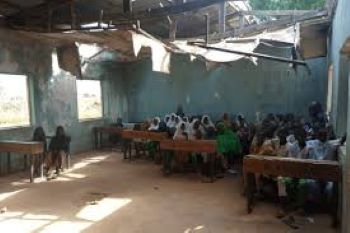
A school in Sokoto state where students manage to use a corner of the classrom

This creates substandard learning environments that impede student engagement and academic performance. Overcrowded classrooms exacerbate the problem, as students struggle to concentrate amidst noise and distractions. Additionally, the absence of essential facilities like libraries, laboratories, and computer rooms limits students’ access to educational resources and opportunities for research and digital literacy.

The United Nations Children’s Fund (UNICEF) reports that rural communities in Sokoto suffer disproportionately from infrastructure deficits. Many schools in these areas lack basic amenities due to neglect, underinvestment, and geographical isolation. Poor road networks further isolate rural schools, making it difficult for students and teachers to access educational opportunities and resources. As a result, students in rural areas face significant barriers to quality education, perpetuating socioeconomic inequalities and hindering their prospects.

The poor infrastructure also affects the quality of teaching and learning in Sokoto. According to data from GEP, teachers struggle to deliver effective lessons in substandard facilities, limiting their ability to engage students and facilitate meaningful learning experiences. The lack of teacher training facilities and professional development opportunities further exacerbates the problem, as educators grapple with limited resources and support to enhance their pedagogical skills and instructional practices.

UNESCO says that the cycle of poor infrastructure perpetuates socioeconomic inequalities in Sokoto. Inadequate education infrastructure hampers human capital development, economic growth, and social progress. Without access to quality education and the opportunities it provides, marginalized communities are left behind, further exacerbating existing disparities and hindering the nation’s overall development.

ALSO READ VIEWPOINT: Will Nigeria meet education components of SDGs?
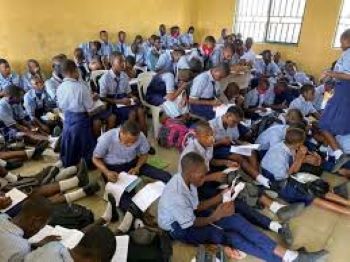
A typical dilapidated without desks

Therefore, addressing the nexus between poor infrastructure and quality education requires a comprehensive approach. Policymakers should prioritize investment in education infrastructure, including school construction, renovation, and maintenance, to create conducive learning environments for students and teachers.

Also, adequate resources and funding should be allocated to address infrastructure deficits in rural areas, ensuring equitable access to quality education for all communities. Additionally, teacher training programs and professional development initiatives should be enhanced to equip educators with the skills and support needed to deliver high-quality instruction in challenging environments.

The impact of poor infrastructure on quality education in Sokoto is a pressing issue that demands urgent attention and action. By addressing infrastructure challenges, policymakers can pave the way for a more inclusive, equitable, and prosperous society where every child has the opportunity to fulfil their potential.

Failure to act risks perpetuating the cycle of poverty and underdevelopment, undermining the nation’s aspirations for socioeconomic advancement. Stakeholders must prioritize education infrastructure as a cornerstone of Sokoto’s development agenda, investing in the future of its children and the prosperity of the nation.

GPE Poor infrastructure Sokoto state UNESCO UNICEF
Share. Facebook Twitter Pinterest LinkedIn WhatsApp Reddit Tumblr Email
Abdallah el-Kurebe
  • Website
  • Facebook
  • Twitter
  • LinkedIn

Related Posts

[VIEWPOINT] Why Adeyanju earns 90% approval in Ondo North senate poll, By Bashir Adefaka

April 23, 2026

ASUU urges Sokoto govt to appoint SSUE council

April 22, 2026

Oyo, UNICEF push for stronger child nutrition programs

April 22, 2026

Leave A Reply Cancel Reply

Naira holds steady at N1,582/€ as Euro weakens amid energy, growth pressures

April 23, 2026

Girls encouraged to lead in AI, digital economy

April 23, 2026

Experts call for boost in local snail production

April 23, 2026

FUTA MBBS programme secures MDCN accreditation, gets 100-student quota

April 23, 2026
About Us
About Us

ASHENEWS (AsheNewsDaily.com), published by PenPlus Online Media Publishers, is an independent online newspaper. We report development news, especially on Agriculture, Science, Health and Environment as they affect the under-reported rural and urban poor.

We also conduct investigations, especially in the areas of ASHE, as well as other general interests, including corruption, human rights, illicit financial flows, and politics.

Contact Info:
  • 1st floor, Dogon Daji House, No. 5, Maiduguri Road, Sokoto
  • +234(0)7031140009
  • ashenewsdaily@gmail.com
Facebook Twitter Instagram Pinterest
© 2026 All Rights Reserved. ASHENEWS Daily Designed & Managed By DeedsTech

Type above and press Enter to search. Press Esc to cancel.