


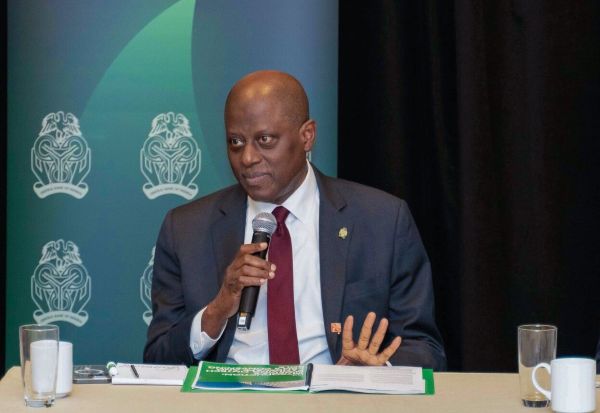
The Central Bank of Nigeria (CBN) has reset its Monetary Policy Rate (MPR) from 26.5% to 23%, delivering its largest reduction in the benchmark rate since 2006.
The 350-basis-point adjustment was announced after the 307th meeting of the Monetary Policy Committee (MPC) in Abuja, with 11 members in attendance.
CBN Governor Olayemi Cardoso said the decision reflected improving macroeconomic conditions, including sustained disinflation and stronger economic growth. Inflation eased for the third consecutive month to 15.39% in August, while real GDP growth rose to 4.43% in Q2 2026.
The MPC also retained the CRR at 45% for Deposit Money Banks, 16% for Merchant Banks and 75% for non-TSA public-sector deposits. The asymmetric corridor was reset to +50/-300 basis points around the new MPR.
The CBN described the decision as a “reset” rather than a change in its monetary-policy stance, saying the previous 26.5% MPR had become disconnected from actual market rates.
The apex bank said interbank rates and the SDF rate had been around 22%, meaning the SDF had effectively become the rate used by banks for pricing while the MPR remained the formal benchmark.
The 350-basis-point reduction is the biggest since December 2006, when the CBN under Governor Charles Soludo cut the benchmark rate by 400 basis points from 14% to 10%.
The CBN said the latest recalibration is intended to improve monetary-policy transmission, restore the MPR’s role as the principal policy signal and support Nigeria’s transition towards an inflation-targeting framework.
