


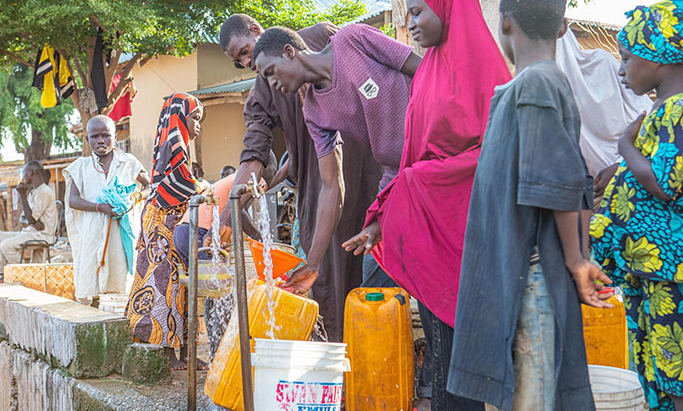
The Minister of Environment, Balarabe Lawal, has warned that poor environmental sanitation remains a leading factor behind the spread of preventable communicable diseases in Nigeria.
Lawal issued the warning on Thursday in Abuja during a press conference ahead of the 2025 National Environmental Sanitation Day (NESD) commemoration, scheduled for June 28.
Represented by the Director of Pollution Control and Environmental Health at the ministry, Dr. Bahijjahtu Abubakar, the minister stressed that unsanitary environments — particularly in developing countries — create ideal conditions for vector-borne diseases to spread.
“Diseases such as cholera, monkeypox, dengue fever, and even COVID-19 have highlighted the urgent need for improved access to sanitation and hygiene,” he said.
Lawal explained that this year’s NESD theme moves beyond the routine provision of sanitation facilities to focus on the safe management of these systems as a critical tool for disease prevention and public health protection.
He called for a more holistic approach that combines hygiene education, safe waste disposal, and efficient sanitation infrastructure.
“The theme underscores the importance of safe hygiene practices in preventing illness. It reflects a shift toward more impactful and sustainable health solutions,” Lawal added.
The minister described NESD as an annual national platform to advocate and raise awareness about sanitation and hygiene as cost-effective, life-saving interventions.
Also speaking at the event, Dr. Edwin Isotu-Edeh, the World Health Organisation (WHO) representative in Nigeria, emphasized the need for stronger investment in sanitation and environmental health.
“For every four lives lost in Nigeria, one could have been saved by addressing environmental risk factors such as poor sanitation, climate change, and exposure to toxic substances,” he said.
Dr. Isotu-Edeh stressed that sanitation is not a privilege but a basic human right, as recognised by World Health Assembly Regulations 64 and 24.
He warned that Nigeria’s sanitation gap continues to pose serious health risks, particularly increasing vulnerability to diseases like cholera. He called for urgent multi-sectoral collaboration to address the sanitation crisis.
