


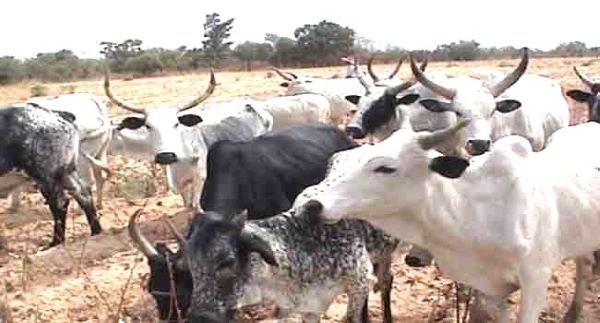
The Federal Government has unveiled the National Strategy and Action Plan (NSAP) on Animal Genetic Resources (AnGR) for the effective conservation, sustainable use, and development of Nigeria’s livestock sector.
Speaking at the launch event in Abuja, Minister of Livestock Development, Idi Maiha, described the strategy as a major milestone aligned with international standards and developed under the Livestock Productivity and Resilience Support Project (L-PRES).
Maiha noted that the plan reaffirms Nigeria’s commitment to the 2007 Interlaken Declaration, adopted by 106 countries, which emphasizes the role of animal genetic diversity in food security, human nutrition, and rural development.
“The declaration highlights the shared responsibilities of governments to conserve and develop animal genetic resources while addressing capacity gaps and calling for coordinated action, increased funding, and institutional support,” he said.
He also referenced the Global Plan of Action (GPA) for AnGR, which outlines 23 strategic priorities for countries. These include characterization, inventory, monitoring of genetic trends, sustainable use, development, and both in-vivo (live animal) and in-vitro (gene bank) conservation.
Maiha added that implementing the NSAP would help reverse biodiversity loss and protect at-risk livestock breeds crucial to the nation’s food systems.
Dr. Sanusi Abubakar, National Project Coordinator of L-PRES, emphasized the strategy’s role in promoting resilience and productivity in the livestock industry. He described the plan as a framework for international cooperation and a step toward domesticating the Global Plan of Action in Nigeria.
Abubakar explained that Nigeria’s lack of active participation in international forums—such as the 13th Regular Session of the Intergovernmental Technical Working Group on AnGR held at the FAO headquarters in Rome in November 2024—highlighted the urgent need for a national strategy.
“Nigeria was only seated as an observer while other African countries had full delegate status. That was due to our failure to fulfill obligations under the Interlaken Declaration and the Global Plan of Action we had signed,” he said.
This realization, he noted, spurred the development of the NSAP and the inauguration of the National Advisory Committee on Animal Genetic Resources.
Abubakar expressed hope that the new strategy would restore Nigeria’s international standing and guide national efforts to sustainably grow the livestock sector.
