


In the early hours of a typical market day in Owo or the quiet evenings in Akoko communities of Ondo state, political conversations are already shifting—long before campaign posters appear or party primaries begin.
Across Ondo North, people are asking familiar but urgent questions: Who truly understands our struggles? Who will speak for us where it matters?
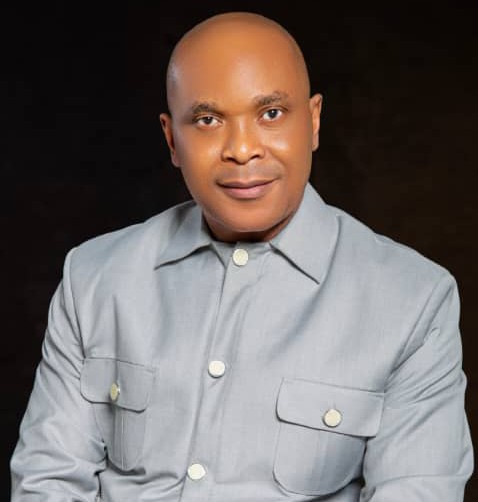
In these conversations, one name is beginning to surface more frequently—Michael Abayomi Adeyanju.
While the 2027 elections are still some distance away, his growing visibility is not accidental. It reflects a combination of factors that are slowly shaping public perception across the district.
1. A name gaining quiet momentum
In many parts of Ondo North, political popularity doesn’t always begin with loud rallies—it starts with quiet acceptance. Community discussions, informal polls, and local engagements suggest that Adeyanju is steadily gaining recognition among different groups.
Early perception surveys have also hinted at this trend, placing him among emerging contenders. While such indicators are not definitive, they often reveal where public curiosity—and sometimes trust—is beginning to lean.
2. Politics that meet people where they are
What sets Adeyanju apart, according to many observers, is his grassroots approach. Rather than appearing only during election cycles, his engagements are often rooted in community-level interactions—listening, attending local gatherings, and building relationships over time.
Through networks like the Imole Progressive Network, his outreach has reportedly extended across Akoko, Owo, and Ose—areas where personal connection still defines political loyalty.
3. The appeal of a different kind of candidate
There is a noticeable fatigue in parts of the electorate—fatigue with familiar faces, recycled promises, and distant representation.
Adeyanju’s image as someone outside the traditional political establishment appears to resonate with this sentiment. For some voters, that difference represents uncertainty; for others, it signals possibility.
4. The question of representation
In Ondo North, representation is not an abstract concept—it is deeply personal. It is about roads that are never completed, hospitals that need attention, and voices that often feel unheard.
Supporters of Adeyanju frequently point to his emphasis on accessibility—the idea that leadership should not be distant or symbolic, but present and responsive.
Whether this perception holds under political scrutiny remains to be seen, but it speaks directly to a long-standing demand within the district.
5. Navigating the realities of party politics
No political ambition in Nigeria exists outside party structures. Adeyanju’s engagement with stakeholders within the All Progressives Congress suggests an understanding of this reality.
Building alliances, earning trust within party ranks, and positioning ahead of primaries are all part of the complex path to electoral viability.
6. Visibility beyond politics
In many communities, leadership is not judged solely by political office. Social presence, cultural involvement, and community recognition often play a role in shaping public trust.
Adeyanju’s appearances in social and traditional settings have contributed to his growing name recognition—an important currency in a district where familiarity often influences acceptance.
7. A narrative that connects with local realities
Perhaps the most defining element of his rising profile is the narrative around him—a message centred on people-driven politics and attention to underserved communities.
This narrative aligns with broader concerns in Ondo North, where development gaps and calls for equitable representation remain part of everyday conversation.
Beyond the momentum
Yet, beneath all the growing attention lies a fundamental truth: Ondo North voters are discerning.
They have seen political tides rise and fall. They understand that early popularity does not always translate into electoral success. Party dynamics, alliances, credibility, and performance under scrutiny will ultimately shape the outcome.
For now, Michael Abayomi Adeyanju remains a figure to watch—not because the path ahead is certain, but because the conversation around him is growing.
And in politics, especially in places like Ondo North, conversation is often where change begins.
