


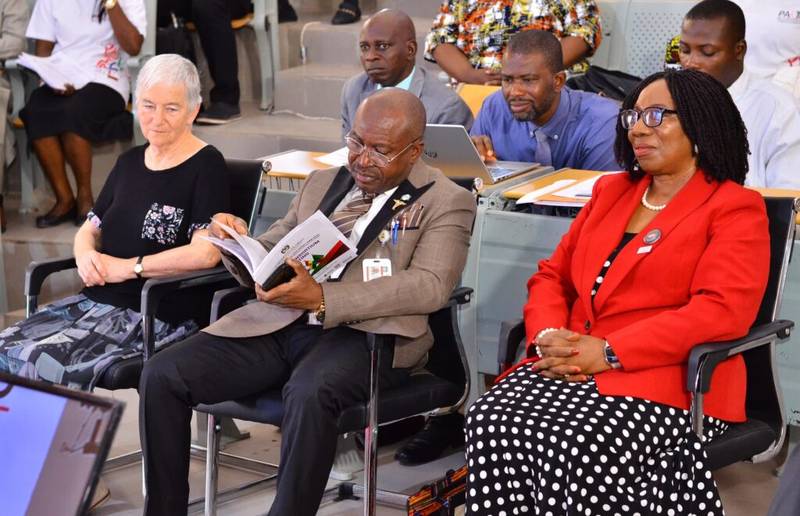
The Vice-Chancellor of Yakubu Gowon University, Prof. Hakeem Fawehinmi, says Nigeria carries the world’s highest burden of Sickle Cell Disease (SCD), with about 150,000 children born annually with the condition.
Fawehinmi spoke at the Patient-Centred Sickle Cell Disease Management in Sub-Saharan Africa (PACTS) Consortium meeting, organised under CESRTA on Wednesday in Abuja, highlighting urgent national health challenges.
He said many affected children endure lifelong pain, disrupted education, limited livelihood prospects, and poor access to quality healthcare, particularly in rural and peri-urban communities.
According to him, SCD represents a critical national health emergency requiring urgent, coordinated, and sustained intervention from government, research institutions, and development partners.
He noted that the PACTS programme has, over four years, generated strong community-based and policy-relevant evidence to improve understanding and management of the disease.
“Nigeria is among the countries bearing the highest prevalence of sickle cell disease in the world,” Fawehinmi said.
He commended CESRTA researchers for their impactful, evidence-driven work, emphasizing the need to translate findings into practical healthcare improvements.
The Director of CESRTA, Prof. Obiageli Nnodu, said Nigeria has established SCD standards of care, but implementation across health facilities remains uneven and urgently needs strengthening.
She highlighted stigma as a major barrier, discouraging mothers from bringing infants for newborn screening and timely follow-up care. Other challenges include low awareness, long distances to health facilities, and limited access to essential medications.
The PACTS project has assessed about 300 patients across six FCT health facilities, including tertiary hospitals and primary healthcare centres, focusing on penicillin prophylaxis, hydroxyurea use, and blood transfusion standards.
Media engagement, journalist training, and radio programmes such as “Before It is Too Late” are helping improve awareness and correct misconceptions about SCD nationwide.
Prof. Imelda Bates of the Liverpool School of Tropical Medicine said PACTS focuses on patients, families, and carers to develop sustainable, locally appropriate solutions, involving partners from Nigeria, Ghana, Zambia, and universities in the US and UK.
Bates noted that children with SCD face severe medical complications, social stigma, and heavy financial burdens due to out-of-pocket healthcare costs, stressing that early screening and diagnosis are essential for improving survival and quality of life.
Dr. Aderonke Akande of the FCT Primary Healthcare Board highlighted the FCT Health Insurance Scheme, which allows residents in formal and informal sectors to access affordable healthcare, including free SCD testing and family coverage under N20,000 per year.
She urged residents to enroll in the scheme to improve access to preventive care, early diagnosis, and treatment of chronic conditions such as SCD.
PACTS is a research and implementation programme aimed at improving the quality of life for people living with Sickle Cell Disease.
