

• Home
  • Agric
  • Sci & Tech
  • Health
  • Environment
  • Hausa News
  • More
    • Business/Banking & Finance
    • POLITICS
    • Entertainments & Sports
    • International
    • Investigation
    • Law & Human Rights
    • Africa
    • ACCOUNTABILITY/CORRUPTION
    • Hassan Gimba
    • Column
    • Prof. Jibrin Ibrahim
    • Prof. M.K. Othman
    • Defense/Security
    • Education
    • Energy/Electricity
    • Entertainment/Arts & Sports
    • Society and Lifestyle
    • Food & Agriculture
    • Health & Healthy Living
    • International News
    • Interviews
    • Investigation/Fact-Check
    • LAW & HUMAN RIGHTS
    • Oil & Gas/Mineral Resources
    • PRESS FREEDOM/JOURNALISM/PR
    • General News
    • Presidency
  • About Us
    • Contact Us
    • Board Of Advisory
    • Privacy Policy
    • Ethics Policy
    • Teamwork And Collaboration Policy
    • Fact-Checking Policy
    • Advertising
  • Media OutReach Newswire
    • Wire News
  • The Stories
Facebook Twitter Instagram
Trending
  • Misleading! Bandits did not kidnap women in recent Sokoto community attack, by Fadlillah Abdallah
  • [BREAKING] CBN retains interest rate at 26.5%
  • Nonprofit tasks young Africans on free enterprise, responsible leadership
  • TOPAN urges FG to stabilise tomato prices
  • Stakeholders: Vehicle import duty cuts bring modest relief
  • Enugu extends health insurance to traders
  • Sokoto trains livestock farmers in modern artificial insemination
  • NiCare enrolls over 121,000 residents in health insurance schemes
Facebook Twitter Instagram YouTube
AsheNewsAsheNews
  • Home
  • Agric

    TOPAN urges FG to stabilise tomato prices

    July 21, 2026

    Sokoto trains livestock farmers in modern artificial insemination

    July 21, 2026

    Kogi L-PRES launches 5 day mass artificial insemination campaign

    July 21, 2026

    NADF launches nationwide training for agricultural extension workers

    July 20, 2026

    FG urges youth to use tech in agriculture, awards $40K grants

    July 20, 2026
  • Sci & Tech

    Nigeria’s Erebor heads Africa telecom planning

    July 20, 2026

    Nigeria urges stronger digital evidence management, collaboration against cybercrime

    July 18, 2026

    Instanda urges insurers to embrace no-code, AI

    July 18, 2026

    Delta unveils digital platform for outdoor advertising management

    July 17, 2026

    RMRDC launches digital journal to drive innovation, industrial growth

    July 17, 2026
  • Health

    Enugu extends health insurance to traders

    July 21, 2026

    NiCare enrolls over 121,000 residents in health insurance schemes

    July 21, 2026

    NAFDAC arrests 2 suspected fake alcohol merchants in Mushin

    July 21, 2026

    Edo strengthens support for stranded returnees

    July 20, 2026

    Early mental health support key to children’s excellence – Masseyferguson

    July 20, 2026
  • Environment

    Stakeholders: Vehicle import duty cuts bring modest relief

    July 21, 2026

    Olatunji urges media to verify AI content for 2027 elections

    July 21, 2026

    Veritas university breaks ground on N1.3bn skills hub

    July 20, 2026

    NEMA confirms 4 deaths in Sokoto windstorm

    July 20, 2026

    KADSEMA contains gas tanker leak in Kaduna south

    July 20, 2026
  • Hausa News

    UNA signs MoU to launch air Bissau in Guinea-Bissau

    June 15, 2026

    Otti plans 250-room 5-star hotel in Umuahia

    April 11, 2026

    Anti-quackery task force seals 4 fake hospitals in Rivers

    August 29, 2025

    [BIDIYO] Yadda na lashe gasa ta duniya a fannin Ingilishi – Rukayya ‘yar shekara 17

    August 6, 2025

    A Saka Baki, A Sasanta Saɓani Tsakanin ‘Yanjarida Da Liman, Daga Muhammad Sajo

    May 21, 2025
  • More
    1. Business/Banking & Finance
    2. POLITICS
    3. Entertainments & Sports
    4. International
    5. Investigation
    6. Law & Human Rights
    7. Africa
    8. ACCOUNTABILITY/CORRUPTION
    9. Hassan Gimba
    10. Column
    11. Prof. Jibrin Ibrahim
    12. Prof. M.K. Othman
    13. Defense/Security
    14. Education
    15. Energy/Electricity
    16. Entertainment/Arts & Sports
    17. Society and Lifestyle
    18. Food & Agriculture
    19. Health & Healthy Living
    20. International News
    21. Interviews
    22. Investigation/Fact-Check
    23. LAW & HUMAN RIGHTS
    24. Oil & Gas/Mineral Resources
    25. PRESS FREEDOM/JOURNALISM/PR
    26. General News
    27. Presidency
    Featured
    Recent

    Misleading! Bandits did not kidnap women in recent Sokoto community attack, by Fadlillah Abdallah

    July 21, 2026

    [BREAKING] CBN retains interest rate at 26.5%

    July 21, 2026

    Nonprofit tasks young Africans on free enterprise, responsible leadership

    July 21, 2026
  • About Us
    1. Contact Us
    2. Board Of Advisory
    3. Privacy Policy
    4. Ethics Policy
    5. Teamwork And Collaboration Policy
    6. Fact-Checking Policy
    7. Advertising
    Featured
    Recent

    Misleading! Bandits did not kidnap women in recent Sokoto community attack, by Fadlillah Abdallah

    July 21, 2026

    [BREAKING] CBN retains interest rate at 26.5%

    July 21, 2026

    Nonprofit tasks young Africans on free enterprise, responsible leadership

    July 21, 2026
  • Media OutReach Newswire
    • Wire News
  • The Stories
AsheNewsAsheNews
Home»Health & Healthy Living»WHO releases new guideline to prevent adolescent pregnancies
Health & Healthy Living

WHO releases new guideline to prevent adolescent pregnancies

EditorBy EditorApril 23, 2025Updated:April 23, 2025No Comments4 Mins Read
WHO
Share
Facebook Twitter LinkedIn Pinterest Email

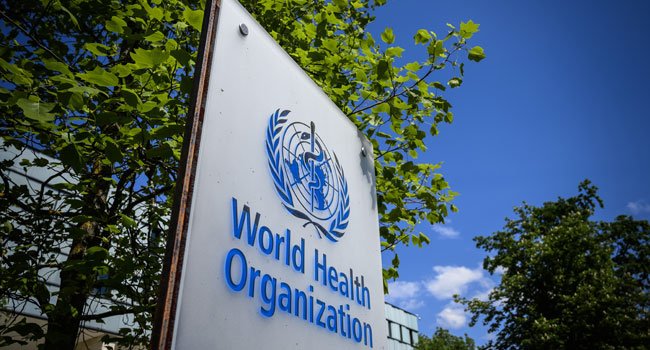
The World Health Organisation (WHO) has released a new guideline aimed at preventing adolescent pregnancy and its significant related health complications.

In a statement on Wednesday, the world health body said it was in a bid to tackle the leading cause of death globally among 15 to 19-year-old girls.

It said that among other strategies, the guideline urged rapid action to end child marriage and extend girls’ schooling.

Others it said, would improve access to sexual and reproductive health services and information – all critical factors for reducing early pregnancies among teenagers around the world.

The Director of Sexual and Reproductive Health and Research at WHO, Dr Pascale Allotey said that early pregnancies can have serious physical and psychological consequences for girls and young women.

Allotey said that early pregnancies often reflect fundamental inequalities that affect their ability to shape their relationships and their lives.

“Tackling this issue therefore means creating conditions where girls and young women can thrive by ensuring they can stay in school.

“Be protected from violence and coercion, access sexual and reproductive health services that uphold their rights, and have real choices about their futures,” she said.

According to her, more than 21 million adolescent girls become pregnant each year in low and middle-income countries, around half of which are unintended.

Allotey said that with impacts on girls’ education, social connection and future employment prospects, early pregnancy can create cycles of intergenerational poverty that become difficult to break.

“It also brings serious health risks, including relatively higher rates of infections and preterm births as well as complications from unsafe abortions linked to particular challenges in accessing safe and respectful care.

“Reasons for early pregnancy are varied and interrelated, including gender inequities, poverty, lack of opportunity, and inability to access sexual and reproductive health services.

“There is a strong correlation with child marriage: in low- and middle- income countries, 9 in 10 adolescent births take place among girls who were married before the age of 18,” she said.

According to her, the guideline recommends holistic efforts to provide viable alternatives to early marriage by strengthening girls’ education, savings, and employment prospects.

“If all girls finished their secondary schooling, it has been estimated that child marriages could be reduced by as much as two thirds.

“For girls at highest risk, the guideline recommends considering incentives to support secondary school completion, such as targeted financial stipends or scholarship programmes.

“The guideline also recommends laws to prohibit marriage below the age of 18, consistent with human rights standards, and community engagement to prevent the practice,” Allotey said.

A Scientist for Adolescent Sexual and Reproductive Health at WHO, Dr Sheri Bastien said that early marriage denied girls their childhood and had severe consequences for their health.

“Education is critical to change the future for young girls, while empowering adolescents, both boys and girls, to understand consent, take charge of their health.

“They can also challenge the major gender inequalities that continue to drive high rates of child marriage and early pregnancy in many parts of the world,” Bastien said.

According to her, the recommendations highlight the need to ensure adolescents access high quality, adolescent-responsive sexual and reproductive health services including contraceptive options.

“In some countries, consent from an adult is required to access services, which is a significant barrier to their use.

“Young girls who get pregnant also need to be able to access high quality and respectful healthcare during and after pregnancy and birth, free from stigma and discrimination, as well as safe abortion care,” she said.

Bastien said that comprehensive sexuality education was essential for both boys and girls to ensure they know where to access such services and how to use different types of contraception.

“It has been shown to reduce early pregnancies, delay the onset of sexual activity, and improve adolescents’ knowledge about their bodies and reproductive health.

“This guideline updates an earlier edition of the guideline on adolescent pregnancy prevention from 2011, and focuses particularly on preventing child marriage and improving adolescents’ access to and use of contraception.

“It complements WHO’s related guidance around health services for adolescents, comprehensive sexuality education, and gender-based violence.

“Globally, there has been progress in reducing adolescent pregnancies and births.

“In 2021, an estimated one in 25 girls gave birth before the age of 20, compared to one in 15, two decades prior.

“There remains significant disparities. In some countries, close to one in 10 adolescent girls (15-19 years) give birth each year,” she said.

NAN

guideline Teenage pregnancy WHO
Share. Facebook Twitter Pinterest LinkedIn WhatsApp Reddit Tumblr Email
Editor
  • Website

Related Posts

Enugu extends health insurance to traders

July 21, 2026

NiCare enrolls over 121,000 residents in health insurance schemes

July 21, 2026

NAFDAC arrests 2 suspected fake alcohol merchants in Mushin

July 21, 2026

Leave A Reply Cancel Reply

Misleading! Bandits did not kidnap women in recent Sokoto community attack, by Fadlillah Abdallah

July 21, 2026

[BREAKING] CBN retains interest rate at 26.5%

July 21, 2026

Nonprofit tasks young Africans on free enterprise, responsible leadership

July 21, 2026

TOPAN urges FG to stabilise tomato prices

July 21, 2026
About Us
About Us

ASHENEWS (AsheNewsDaily.com), published by PenPlus Online Media Publishers, is an independent online newspaper. We report development news, especially on Agriculture, Science, Health and Environment as they affect the under-reported rural and urban poor.

We also conduct investigations, especially in the areas of ASHE, as well as other general interests, including corruption, human rights, illicit financial flows, and politics.

Contact Info:
  • 1st floor, Dogon Daji House, No. 5, Maiduguri Road, Sokoto
  • +234(0)7031140009
  • ashenewsdaily@gmail.com
Facebook Twitter Instagram Pinterest
© 2026 All Rights Reserved. ASHENEWS Daily Designed & Managed By DeedsTech

Type above and press Enter to search. Press Esc to cancel.