


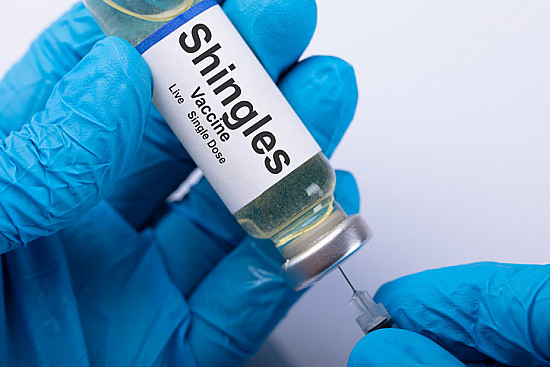
Researchers tracking dementia cases in Welsh adults have uncovered the strongest evidence yet that shingles vaccine reduces the risk of developing the brain disease.
A study analyzing health records of over 280,000 older adults found that those who received Zostavax, a now largely discontinued shingles vaccine, were 20% less likely to be diagnosed with dementia over the next seven years compared to those who were not vaccinated.
Pascal Geldsetzer of Stanford University stated, “For the first time, we can say with more confidence that the shingles vaccine causes a reduction in dementia risk. If this is indeed a causal effect, the implications are profound.”
A natural experiment in Wales
The study leveraged a unique public health rollout in Wales. On September 1, 2013, a policy made individuals born on or after September 2, 1933, eligible for the Zostavax vaccine, while those born earlier were not. This created a natural experiment where researchers could compare dementia rates between two groups born just weeks apart.
After adjusting for the fact that not all eligible individuals received the vaccine, researchers confirmed a 20% reduction in dementia risk, with the strongest effect observed in women. Anupam Jena, a professor of healthcare policy at Harvard Medical School, emphasized the significance of the findings.
The global impact of dementia
Dementia affects over 55 million people worldwide and is the leading cause of death in the UK. One in three people will develop the condition in their lifetime. While some drugs have recently been approved to slow its progression, no cure currently exists.
The shingles virus, which remains dormant in nerve cells after chickenpox infection, can reactivate later in life, causing shingles in individuals with weakened immune systems. Scientists believe shingles vaccination may help prevent dementia by reducing inflammation in the nervous system or triggering broader immune system changes. These effects appear more pronounced in women, potentially explaining the gender differences observed in the study.
Previous findings and future research
This is not the first indication that shingles vaccines might offer dementia protection. Studies following the 2006 U.S. rollout of Zostavax observed lower dementia rates among vaccinated individuals. More recently, Oxford researchers found an even stronger protective effect with Shingrix, a newer vaccine. Maxime Taquet, whose Oxford study linked Shingrix to reduced dementia risk, suggested that adjuvants in the vaccine—which enhance immune response—could play a role.
Geldsetzer is now seeking philanthropic and private funding to conduct a randomized clinical trial to further investigate the vaccine’s potential benefits.
Expert reactions
Julia Dudley, head of research at Alzheimer’s Research UK, said the study strengthens the emerging link between shingles vaccination and dementia prevention. “While previous studies suggested an association, this research provides stronger evidence of a direct link, with greater benefits observed in women.”
She added that while the exact mechanism remains unclear, the vaccine may reduce inflammation, support immune responses that protect the brain, or involve other biological processes. Since the study focused on Zostavax rather than the more commonly used Shingrix, further research is needed to understand the implications fully.
Jena concluded, “Although we do not yet understand precisely how herpes zoster vaccination lowers dementia risk, the potential public health benefits are enormous. The vaccine could represent a cost-effective intervention with benefits extending far beyond its original purpose.”
