


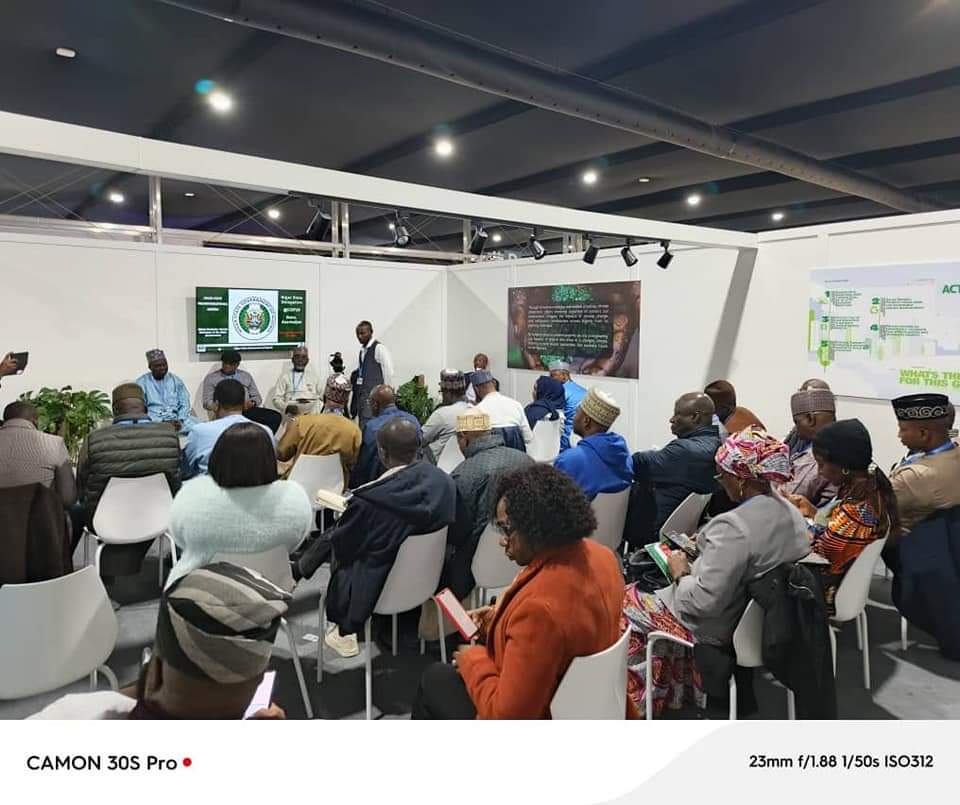
Abubakar Usman, Secretary to the Niger Government (SSG), on Thursday hosted a strategic meeting with Eco Green Investment Limited and key stakeholders on the proposed Eco Green Industrial City project in Minna.
Senior government officials, technical experts, and representatives of the investment firm deliberated on modalities for establishing a climate-friendly, self-sustaining industrial hub.
Mr Usman said the Eco Green Industrial City aligns with Gov. Umar Bago’s vision for Niger, focusing on economic diversification, environmental sustainability, and growth driven by private-sector investment.
He added that Niger remains open to investors, promising government support for a favorable business environment, clear regulations, and protection for investments.
“This administration is deliberate in its pursuit of strategic investments that will not only stimulate economic growth but also preserve our natural resources for future generations,” he said.
Aminu Takuma, Commissioner for Investment, outlined the project and the ministry’s efforts to make Niger a top investment destination.
Takuma said the project would combine tech-driven farming with processing facilities, creating jobs, improving food security, and boosting the state’s revenue.
He added that the project would attract millions in investment by creating a smart agri-processing hub with cutting-edge technology and eco-friendly practices.
He disclosed: “The initiative is designed to unlock multi-million-dollar investment opportunities through a smart agricultural processing ecosystem driven by modern technology and climate-conscious practices.
“Our engagement with Eco Green Investment Limited is a strategic step toward harnessing Niger State’s vast forest resources and arable land in a sustainable manner.”
The investment delegation, led by Mr Alan Martin, reiterated strong interest in Niger, citing abundant natural resources and the state’s investor-friendly posture as key factors driving their commitment.
The proposed Eco Green Industrial City is expected to serve as a model for green industrialisation in Nigeria, incorporating environmentally sustainable practices, modern infrastructure, and innovative financing mechanisms, including carbon credit frameworks.
