


A new Australian study has found that per- and polyfluoroalkyl substances (PFAS), commonly present in tap water at levels currently considered safe, may damage embryos and impair female fertility.
The findings were disclosed in a statement released on Tuesday by the University of Adelaide, based on research examining the effects of PFAS-contaminated tap water on female mice after daily consumption over periods of four weeks and six months.
According to the study, exposure to PFAS chemicals caused cellular damage to ovulated eggs and developing embryos, ultimately disrupting reproductive outcomes.
“Our study shows that just four weeks of consuming regular tap water with low levels of PFAS chemicals was enough to reduce the number of cells and impair their function in embryos,” said Yasmyn Winstanley, the study’s lead author from the university’s Robinson Research Institute.
She added that the exposure led to DNA damage and reduced embryo viability.
“These effects were more pronounced after six months of drinking tap water, with reductions observed in the fetal weight of offspring following maternal exposure,” Winstanley said, noting that low birth weight is associated with increased risks of obesity, diabetes, and cardiovascular disease later in life.
The study, published in the journal Environmental Research, suggests that the damage may be irreversible and could be passed across generations.
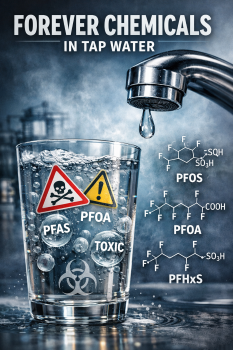
PFAS, often referred to as “forever chemicals,” are synthetic compounds that persist in the environment and have been detected in food and drinking water globally.
Researchers also analysed water samples from the municipal supply in Adelaide and modelled exposure using three common PFAS compounds—PFOS, PFOA, and PFHxS.
The study further found that carbon filtration significantly reduced PFAS levels and helped protect mouse embryos from contamination.
Source: Xinhua
