


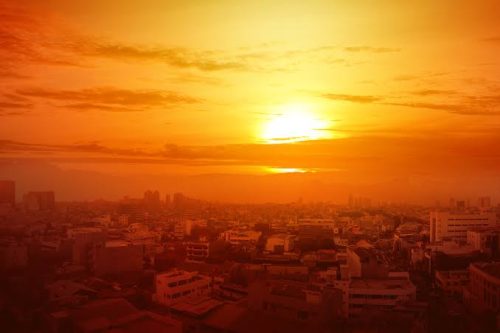
Prof. Eddy Ndibuagu, a professor of community medicine, has urged the public to drink more water to cope with the hot weather.
Ndibuagu, of Enugu State University Teaching Hospital (ESUTH), gave the advice in an interview with reporters in Enugu on Saturday.
He advised people to stay in the shade or air-conditioned spaces to reduce the effects of the heat.
“Also, watch what you wear. Avoid dark clothes, such as black, because they absorb heat.
“Reduce the amount of time you spend walking or farming under the sun. After such activities, stay in the shade and drink plenty of water to avoid fainting or collapsing from exhaustion.
“Do not stay in places where you will sweat excessively. Ordinarily, you are supposed to drink about three litres of water daily, but now you should increase the amount,” he said.
Meanwhile, the ongoing heatwave in Enugu has left many residents struggling to cope.
Residents told reporters in separate interviews that they were struggling daily with the heat and its financial burden.
They said frequent water purchases, high energy costs due to erratic power supply and the need to buy rechargeable fans had increased their household expenses.
Mrs Bridget Onyia, a resident of Obiagu, said the heatwave was severe, particularly amid erratic power supply.
She said some residents now sleep outside their homes or on rooftops to enjoy the fresh air.
Mr John Ekwueme, a resident of Ugwuaji, said the unbearable heat had forced him to buy a rechargeable fan for his family.
“We are all experiencing the heat because the segregation of people into different electricity bands (A, B and C) is not working.
“Some people do not even have electricity to cushion the impact of the hot weather,” he said.
Mrs Esther Agbo, a nurse, said water supply remained a major challenge for residents of Enugu metropolis, worsening the situation for low-income earners.
Mrs Victoria Okoroafor, a retired nurse, said heatwaves had become a reality in Nigeria because of global warming.
She urged the government to improve electricity supply.
“People should also prepare by ensuring they live in apartments that allow natural breezes. They should always keep their windows open to allow fresh air to circulate,” she said.
