


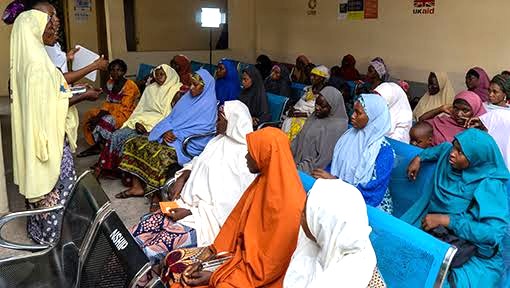
Katsina State has the lowest proportion of pregnant women receiving antenatal care from a skilled provider in Nigeria, with Sokoto State ranking third, according to the 2021 Nigeria Malaria Indicator Survey (NMIS). Only 28.3% of expectant mothers in the state accessed care from a doctor, nurse, midwife or auxiliary midwife—less than half the national average of 63.0%.
Northern states dominate
The 10 states with the lowest coverage are concentrated largely in northern Nigeria, with Katsina followed by Zamfara at 38.6% and Sokoto at 39.2%. Adamawa, Yobe, Jigawa, Kebbi and Kano also fall below 50%, while Niger and Bayelsa are the only southern states in the bottom 10, at 50.5% and 51.5% respectively.
| Rank | State | Skilled antenatal care coverage |
| 1 | Katsina | 28.3% |
| 2 | Zamfara | 38.6% |
| 3 | Sokoto | 39.2% |
| 4 | Adamawa | 42.1% |
| 5 | Jigawa | 46.2% |
| 6 | Yobe | 46.8% |
| 7 | Kebbi | 48.0% |
| 8 | Kano | 48.8% |
| 9 | Niger | 50.5% |
| 10 | Bayelsa | 51.5% |
Why it matters
Skilled antenatal care enables pregnant women to receive routine health checks, preventive treatment and guidance throughout pregnancy. The NMIS defines a skilled provider as a doctor, nurse/midwife or auxiliary midwife.
The national survey found that 63% of women with a live birth in the two years before the survey received antenatal care from a skilled provider during their most recent pregnancy. This represented a slight decline from 67% in 2018, although it remained higher than the 57% recorded in 2008.
Wide state disparities
The figures highlight stark inequalities in maternal health access across Nigeria. While Katsina recorded just 28.3% coverage, the NMIS report says coverage ranged from 24% in Katsina to 94% in the Federal Capital Territory, Abuja.
Health advocates say the data underscores the need for expanded maternal health services, particularly in states where fewer than half of pregnant women are reaching trained providers during pregnancy.
