


The Nigerian Veterinary Medical Association (NVMA), Oyo State branch, has called for stricter meat inspection practices and increased deployment of veterinary professionals across local government areas to safeguard public health.
The Chairman of the association in the state, Dr. Bolaji Olaomo, made the call at an event to commemorate the 2026 World Veterinary Day in Ibadan on Saturday.
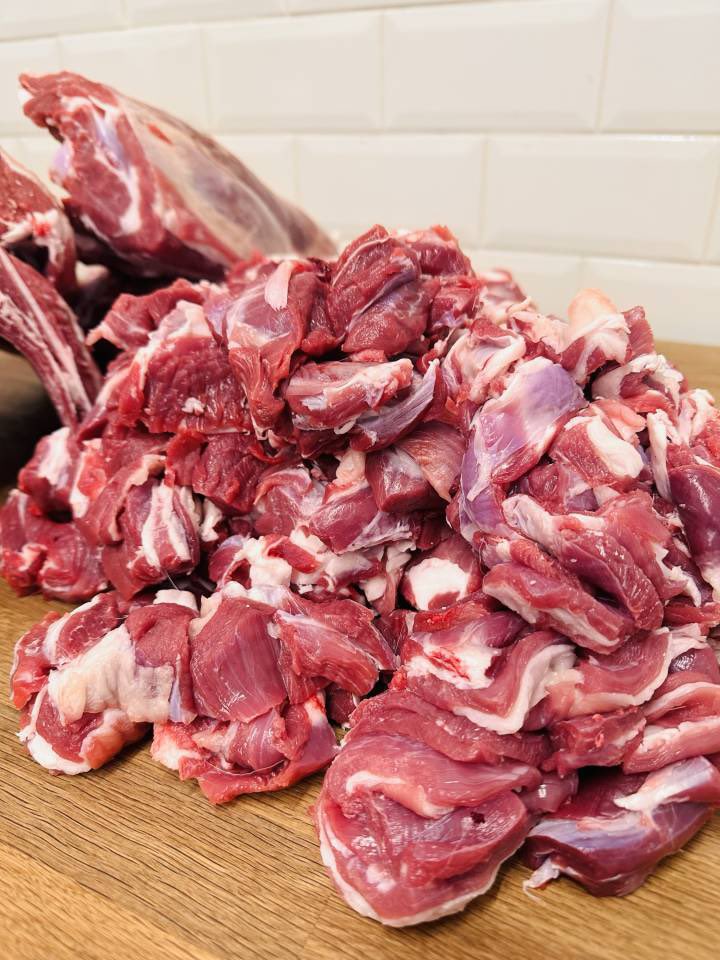
Olaomo said veterinarians play a critical role in ensuring that animals meant for human consumption are properly inspected and certified safe.
According to him, the work of veterinarians directly impacts both food safety and human health.
He noted that beyond animal care, veterinary professionals contribute to the emotional and economic well-being of livestock owners and pet keepers.
“This year’s theme is a call to responsibility for both veterinarians and the public. Ensuring safe food and good health requires commitment, fairness, and accountability,” he said.
Olaomo urged the state government to employ at least one veterinary doctor in each of the 33 local government areas and 35 local council development areas to ensure proper monitoring of meat consumed by residents.
He commended the government for recently employing 20 veterinarians, describing it as a step in the right direction, but said more needed to be done.
Also speaking, the Oyo State Commissioner for Agriculture, Mr. Olasunkanmi Olaleye, represented by a director in the ministry, Dr. Oladapo Abimbola, reiterated the government’s commitment to strengthening the livestock sector and public health systems.
Olaleye said veterinarians remain central to disease surveillance, prevention of zoonotic infections, and enforcement of standards in food processing.
He disclosed that the state had also employed 25 animal health technologists and 20 veterinary doctors, as well as embarked on livestock vaccination programmes across all the councils.
He added that the government was investing in animal health infrastructure, including the rehabilitation of the Mokola Veterinary Hospital and the establishment of primary animal health centres.
Also, Prof. Victoria Adetunji, Head of the Department of Veterinary Public Health and Preventive Medicine, University of Ibadan, highlighted the importance of food safety, describing it as a process that ensures food is hygienically handled and free from harmful substances.
Prof. Adetunji identified key elements of food safety to include hygienic processing, prevention of contamination, and proper temperature control.
“There is a need for adherence to hazard analysis and critical control point systems because poor handling practices could lead to foodborne illnesses,” she said.
Another guest lecturer, Dr. Ibrahim Akande, Chief Executive Officer of Milkyway Project and Resources, Ibadan, emphasized the link between animal health and human health.
He urged butchers to avoid slaughtering sick animals for consumption, while calling for stronger government support and enforcement of regulations to promote safe meat handling practices.
The event brought together veterinarians, policymakers, academics, and stakeholders in the livestock and food industries to reflect on the role of the profession in promoting the “One Health” approach.
World Veterinary Day is celebrated annually to recognize the contributions of veterinarians to animal health, public health, and food safety.
