


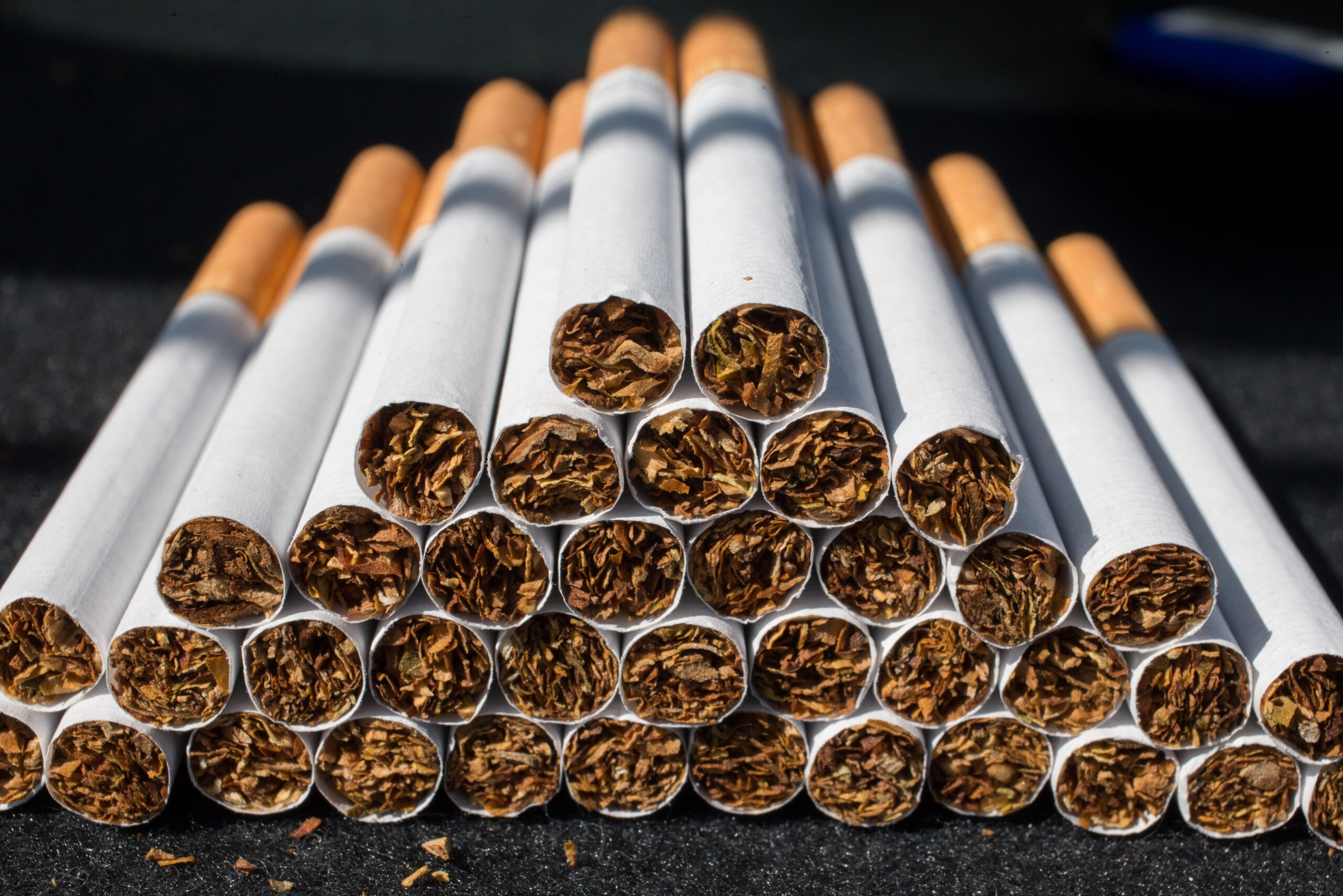
The Nigeria Tobacco Control Alliance has called for the establishment of smoke-free cities across the country to protect children and non-smokers from the harmful effects of second-hand tobacco smoke.
Mr Emmanuel Onwuka, Communications Officer of the alliance, made the call in an interview with reporters on Friday in Calabar.
Onwuka said millions of Nigerians, including schoolchildren, are still exposed to tobacco smoke in buses, parks, schools, restaurants, and other public places despite existing national tobacco control laws.
READ ALSO: CCSI promotes child spacing among rural women in Kaduna
“Data from the Tobacco Control Data Initiative shows that about 1.3 million Nigerian youths currently use tobacco or nicotine products, while 2.4 million have experimented with them,” he said.
He noted that smoke-free environments provide critical protection for children, whose developing lungs are particularly vulnerable to the toxic effects of tobacco smoke and its long-term health consequences.
Onwuka cited countries such as Botswana, South Africa, and Mauritius, which have strengthened tobacco control through smoke-free policies, public awareness campaigns, pictorial warnings, and plain packaging. He urged Nigeria to adopt similar measures.
He said the World Health Organization (WHO) has consistently maintained that comprehensive smoke-free laws reduce exposure to second-hand smoke, discourage youth smoking, and encourage smokers to quit.
“Second-hand smoke increases children’s risks of asthma, pneumonia, bronchitis, ear infections, poor lung development, and Sudden Infant Death Syndrome,” Onwuka warned.
While acknowledging Nigeria’s National Tobacco Control Act 2015 and the National Tobacco Control Regulations 2019, he noted that enforcement remains weak in many communities.
Onwuka commended efforts in Ekiti, Imo, and Rivers states, saying they demonstrate that stronger enforcement and sustained public education can improve compliance.
The alliance urged local governments nationwide to adopt and enforce smoke-free by-laws that align with national and state regulations.
Onwuka also called for increased domestic funding for enforcement, public awareness campaigns, tobacco industry monitoring, research, and smoking cessation services.
He further urged governments, businesses, parents, teachers, religious institutions, and community leaders to sustain advocacy for smoke-free public spaces.
“Collective action by all stakeholders is essential to safeguarding children’s health, reducing tobacco-related diseases, and securing a healthier future for coming generations,” he said.
