


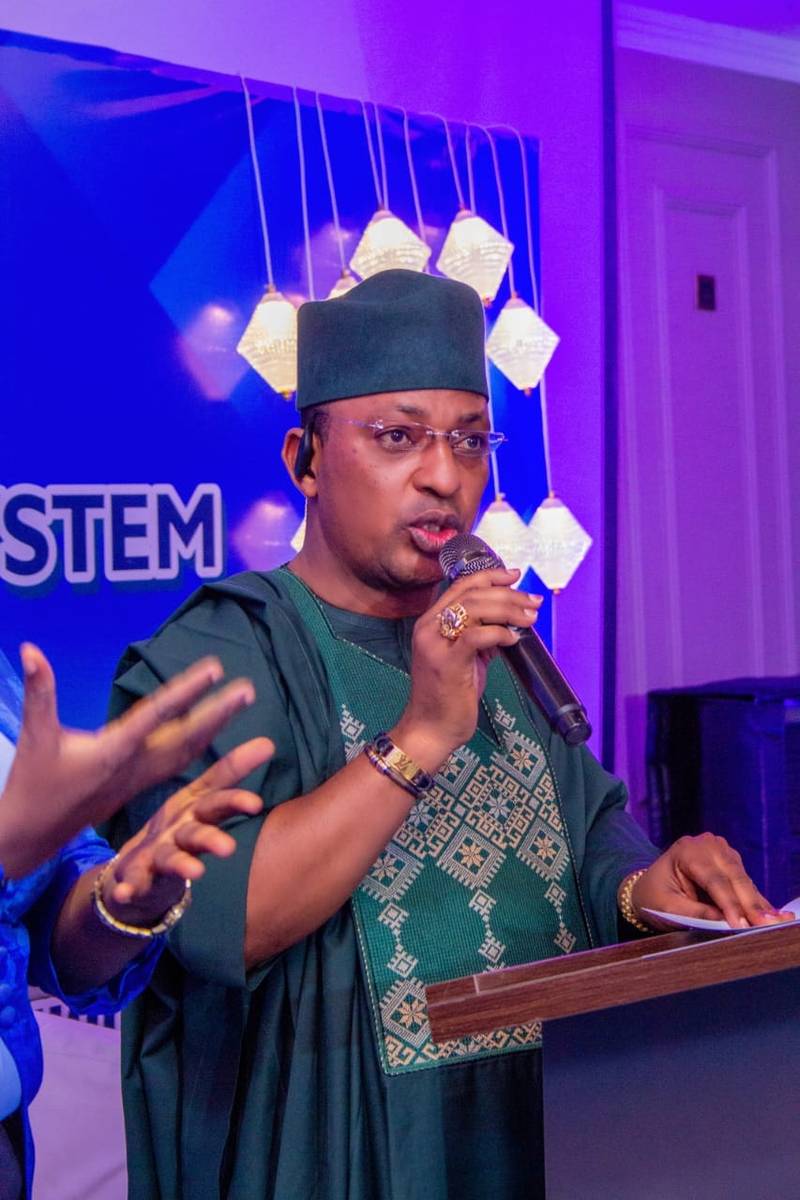
Dr. Segun Musa, Chairman of Widescope Logistics International, has called for greater collaboration, multimodal transportation, and increased private sector investment to reposition Nigeria’s transport sector for accelerated economic growth.
Musa, who is also the Chief Consultant of Global Transport Policy, made the call in an interview with reporters on Sunday in Lagos.
He said an integrated transport system is critical to reducing logistics costs, boosting trade, and supporting industrialisation across the country.
According to him, the vision of Global Transport Policy is to create synergy among road, rail, air, and inland waterways transportation to improve efficiency and align the sector with global best practices.
“We want to change the narrative in the transport sector by ensuring a more holistic and symbiotic interaction among road, rail, air, and inland waterways transportation,” he said.
Musa noted that dependence on a single mode of transportation increases commodity prices and landing costs, while an efficient multimodal transport system would lower supply chain costs and stimulate economic activities.
He stressed the need for increased investment in rail, roads, inland waterways, and logistics infrastructure to improve cargo movement and operational efficiency.
“For instance, cargo can move by rail to terminals, then be distributed by trucks or connected to airports and seaports. That is how an effective multimodal transport system works,” Musa added.
The transport expert identified multimodality, infrastructure expansion, and human capacity development as key reforms needed to address the country’s high logistics costs.
He also advocated greater adoption of technology and digital platforms to enhance supply chain management, operational efficiency, and data sharing in the sector.
Musa said Global Transport Policy continues to advocate policies that promote integration across transport modes and stronger collaboration between the government and private investors.
He emphasised that Public-Private Partnerships (PPP), Build-Operate-Transfer (BOT) arrangements, and foreign direct investment are essential to bridging Nigeria’s infrastructure deficit.
“Transportation infrastructure is capital-intensive. The government cannot do it alone. There must be collaboration between the government, private investors, and foreign partners to drive development,” he said.
He further called for policies that would create an enabling environment for both indigenous and foreign investors to participate actively in transport infrastructure development.
On rural infrastructure, Musa said local communities should be encouraged to take ownership of projects by understanding their economic benefits, as this would help protect the infrastructure and ensure sustainability.
Speaking on digital transformation, he urged increased investment in youths and technology-driven innovations to position Nigeria competitively in the global transport ecosystem.
“We live in a digital world. Technology drives modern transportation systems, and Nigeria must embrace it to remain competitive globally,” Musa said.
He described the rail sector as the most critical infrastructure investment capable of delivering maximum economic impact, emphasising that rail transportation is cheaper, faster, and more efficient for moving large cargo volumes.
“Rail should receive greater attention because it carries more volume at lower cost and can significantly support economic growth,” the expert added.
