

• Home
  • Agric
  • Sci & Tech
  • Health
  • Environment
  • Hausa News
  • More
    • Business/Banking & Finance
    • Politics/Elections
    • Entertainments & Sports
    • International
    • Investigation
    • Law & Human Rights
    • Africa
    • ACCOUNTABILITY/CORRUPTION
    • Hassan Gimba
    • Column
    • Prof. Jibrin Ibrahim
    • Prof. M.K. Othman
    • Defense/Security
    • Education
    • Energy/Electricity
    • Entertainment/Arts & Sports
    • Society and Lifestyle
    • Food & Agriculture
    • Health & Healthy Living
    • International News
    • Interviews
    • Investigation/Fact-Check
    • Judiciary/Legislature/Law & Human Rights
    • Oil & Gas/Mineral Resources
    • Press Freedom/Media/PR/Journalism
    • General News
    • Presidency
  • About Us
    • Contact Us
    • Board Of Advisory
    • Privacy Policy
    • Ethics Policy
    • Teamwork And Collaboration Policy
    • Fact-Checking Policy
    • Advertising
  • Media OutReach Newswire
    • Wire News
  • The Stories
Facebook Twitter Instagram
Trending
  • How I nearly lost my job as Chief of Staff – Gbajabiamila
  • KADSEMA strengthens partnerships to prevent flooding
  • Xenophobia’s bitter irony: South Africa’s shameful attacks on fellow Africans, By Peter Wamboga-Mugirya
  • Kebbi govt unveils plan to digitise civil service
  • Naira strengthens to N1,853/£1 as pound weakens amid UK political turmoil
  • NGOs urge FG to cut sodium in processed foods
  • OMO sales hit N5.63trn in 2 weeks as 126-day bill drives investor demand
  • UNICEF, Imo govt partner to boost maternal, child nutrition
Facebook Twitter Instagram YouTube
AsheNewsAsheNews
  • Home
  • Agric

    Aquaculture experts urge fish farmers to reduce middlemen dependence

    May 14, 2026

    Oyo completes 88.92km rural roads, builds 3 markets under RAAMP

    May 14, 2026

    LIFE-ND trains Abia farmers on standards, packaging

    May 14, 2026

    L-PRES to scale NVRI vaccine production from 150m to 850m doses

    May 13, 2026

    Kano tomato farmers seek processing plants

    May 13, 2026
  • Sci & Tech

    Association commits to bridging tech gap, strengthening STEM partnerships

    May 14, 2026

    Lagos to establish cybersecurity operations centre

    May 13, 2026

    ECOWAS pushes information integrity

    May 13, 2026

    NSE urges engineers to join politics

    May 13, 2026

    Moniepoint deepens investment in women’s tech talent development

    May 11, 2026
  • Health

    KADSEMA strengthens partnerships to prevent flooding

    May 15, 2026

    NGOs urge FG to cut sodium in processed foods

    May 15, 2026

    UNICEF, Imo govt partner to boost maternal, child nutrition

    May 15, 2026

    Community volunteers key to fighting nutrition aid diversion in Kaduna

    May 14, 2026

    WHO: Uneven progress on global health targets

    May 14, 2026
  • Environment

    Association denies approving 40% peculiar allowance for civil servants

    May 14, 2026

    NEMA launches 2026 national disaster preparedness campaign

    May 13, 2026

    Adamawa warns against farming, building on waterways ahead of 2026 rains

    May 13, 2026

    West Africa’s blue economy must balance growth, security and climate resilience — BOAD Director

    May 13, 2026

    FG backs national tourism compendium

    May 13, 2026
  • Hausa News

    Otti plans 250-room 5-star hotel in Umuahia

    April 11, 2026

    Anti-quackery task force seals 4 fake hospitals in Rivers

    August 29, 2025

    [BIDIYO] Yadda na lashe gasa ta duniya a fannin Ingilishi – Rukayya ‘yar shekara 17

    August 6, 2025

    A Saka Baki, A Sasanta Saɓani Tsakanin ‘Yanjarida Da Liman, Daga Muhammad Sajo

    May 21, 2025

    Dan majalisa ya raba kayan miliyoyi a Funtuwa da Dandume

    March 18, 2025
  • More
    1. Business/Banking & Finance
    2. Politics/Elections
    3. Entertainments & Sports
    4. International
    5. Investigation
    6. Law & Human Rights
    7. Africa
    8. ACCOUNTABILITY/CORRUPTION
    9. Hassan Gimba
    10. Column
    11. Prof. Jibrin Ibrahim
    12. Prof. M.K. Othman
    13. Defense/Security
    14. Education
    15. Energy/Electricity
    16. Entertainment/Arts & Sports
    17. Society and Lifestyle
    18. Food & Agriculture
    19. Health & Healthy Living
    20. International News
    21. Interviews
    22. Investigation/Fact-Check
    23. Judiciary/Legislature/Law & Human Rights
    24. Oil & Gas/Mineral Resources
    25. Press Freedom/Media/PR/Journalism
    26. General News
    27. Presidency
    Featured
    Recent

    How I nearly lost my job as Chief of Staff – Gbajabiamila

    May 15, 2026

    KADSEMA strengthens partnerships to prevent flooding

    May 15, 2026

    Xenophobia’s bitter irony: South Africa’s shameful attacks on fellow Africans, By Peter Wamboga-Mugirya

    May 15, 2026
  • About Us
    1. Contact Us
    2. Board Of Advisory
    3. Privacy Policy
    4. Ethics Policy
    5. Teamwork And Collaboration Policy
    6. Fact-Checking Policy
    7. Advertising
    Featured
    Recent

    How I nearly lost my job as Chief of Staff – Gbajabiamila

    May 15, 2026

    KADSEMA strengthens partnerships to prevent flooding

    May 15, 2026

    Xenophobia’s bitter irony: South Africa’s shameful attacks on fellow Africans, By Peter Wamboga-Mugirya

    May 15, 2026
  • Media OutReach Newswire
    • Wire News
  • The Stories
AsheNewsAsheNews
Home»Africa»Xenophobia’s bitter irony: South Africa’s shameful attacks on fellow Africans, By Peter Wamboga-Mugirya
Africa

Xenophobia’s bitter irony: South Africa’s shameful attacks on fellow Africans, By Peter Wamboga-Mugirya

EditorBy EditorMay 15, 2026Updated:May 15, 2026No Comments4 Mins Read
Xenophobia
Share
Facebook Twitter LinkedIn Pinterest Email

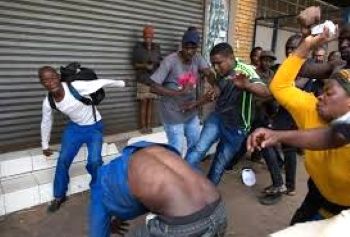
I have observed with deep concern the ferocious manner in which black South Africans continue to mistreat fellow Africans in recurring waves of xenophobic violence. South Africa, often regarded as more developed and better organized than many other African countries, has repeatedly witnessed attacks targeting African migrants, who are accused of taking jobs that locals believe should belong to them.

The perpetrators of these xenophobic attacks are mainly frustrated youths who cite unemployment, poverty, and inequality as justification for targeting fellow Africans. Yet, the irony is impossible to ignore: many of the countries from which these victims come were among the strongest supporters of South Africa’s liberation struggle against apartheid and white minority rule.

South Africa is home to many black ethnic groups, each with its own language, culture, and traditions. Among the major groups are the Zulus, Xhosas, Pedis, Tswanas, Sothos, Tsongas, Swatis, Vendas, and Ndebeles. Broadly, these tribes are categorized into two main ethnic groupings: the Nguni and the Sotho-Tswana. The Nguni group includes the Zulu, Xhosa, Swati, and Ndebele peoples, while the Sotho-Tswana group comprises the Sotho, Pedi, and Tswana.

ALSO READ Xenophobia: ‘There’s an agenda to divide us,’ Thembekwayo warns

ALSO READ Malema denounces xenophobia, hails Nigeria’s contributions to S/Africa’s freedom

Ironically, many of these South African ethnic groups are culturally and ethnically related to communities across the African continent from which their victims originate. Yet, despite these historical and cultural connections, some attackers show little remorse, mercy, or shame while brutalizing innocent Africans seeking survival and opportunity.

During the dark and oppressive apartheid era, many sub-Saharan African countries provided immense support to South Africa’s liberation movements. They sheltered refugees, financed anti-apartheid guerrilla campaigns, provided military training to ANC (MK) and PAC fighters, supplied food and arms, and mobilized international diplomatic pressure against the white minority regime in Pretoria.

One of the foremost champions of this solidarity was the late Tanzanian leader, Julius Nyerere, who, as Chair of the Frontline States, rallied African nations behind the anti-apartheid struggle. The sacrifices and contributions of poor African countries and their citizens played a major role in achieving majority black rule in 1994 under the leadership of the globally respected Nelson Mandela.

It is therefore astonishing and painful that some liberated South Africans, despite their genuine frustrations over unemployment, have turned their anger toward poorly paid African migrants instead of confronting the structural inequalities that continue to plague their society.

Most African migrants in South Africa are economic refugees escaping hardship, instability, and limited opportunities in their home countries. They travel to South Africa for the same reason many South Africans themselves migrate abroad in search of better lives and economic opportunities.

Would South Africans welcome the harassment, torture, or killing of their own citizens living and working in foreign countries? If the answer is no, then why should other Africans be subjected to violence simply because they live and work in South Africa?

These recurring attacks rank among the gravest betrayals of African solidarity. They also dangerously reinforce racist stereotypes historically promoted by white supremacists who once sought to dehumanize black South Africans during apartheid.

South Africa remains Africa’s economic powerhouse, attracting migrants from across the continent. If some employers — many of whom benefited from apartheid-era privilege — prefer hiring foreign Africans because they are cheaper labor, more desperate for work, or less protected by labor laws, then the problem lies not with vulnerable migrants but with exploitative economic structures and failed governance.

African migrants are not enemies. They are human beings pursuing dignity and survival, much like millions of South Africans scattered across Africa and the wider world in search of opportunities.

South Africans must remember that their citizens also live and work in other African countries. The spirit of Pan-African solidarity that once helped liberate South Africa should not be discarded in moments of economic hardship and frustration.

A word to the wise is enough.

Wamboga-Mugirya is a Ugandan-based journalist

South Africa Xenophobia
Share. Facebook Twitter Pinterest LinkedIn WhatsApp Reddit Tumblr Email
Editor
  • Website

Related Posts

Association releases documentary on Mandela’s 1990 visit to Nigeria

May 13, 2026

Museveni’s 7th swearing-in turns Kampala into regional diplomatic hub

May 12, 2026

Nigeria to evacuate citizens from South Africa

May 8, 2026

Leave A Reply Cancel Reply

How I nearly lost my job as Chief of Staff – Gbajabiamila

May 15, 2026

KADSEMA strengthens partnerships to prevent flooding

May 15, 2026

Xenophobia’s bitter irony: South Africa’s shameful attacks on fellow Africans, By Peter Wamboga-Mugirya

May 15, 2026

Kebbi govt unveils plan to digitise civil service

May 15, 2026
About Us
About Us

ASHENEWS (AsheNewsDaily.com), published by PenPlus Online Media Publishers, is an independent online newspaper. We report development news, especially on Agriculture, Science, Health and Environment as they affect the under-reported rural and urban poor.

We also conduct investigations, especially in the areas of ASHE, as well as other general interests, including corruption, human rights, illicit financial flows, and politics.

Contact Info:
  • 1st floor, Dogon Daji House, No. 5, Maiduguri Road, Sokoto
  • +234(0)7031140009
  • ashenewsdaily@gmail.com
Facebook Twitter Instagram Pinterest
© 2026 All Rights Reserved. ASHENEWS Daily Designed & Managed By DeedsTech

Type above and press Enter to search. Press Esc to cancel.