


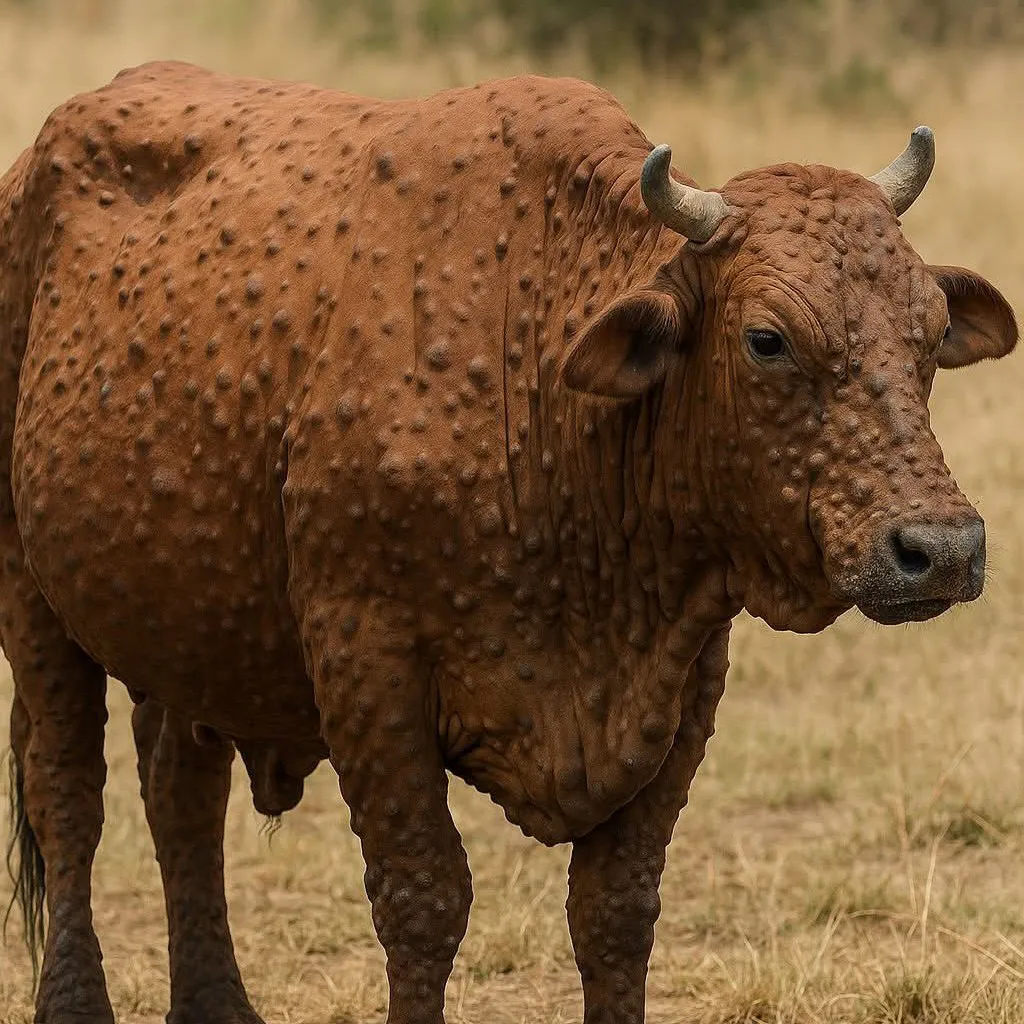
Lumpy Skin Disease (LSD) is one of the most serious viral diseases affecting cattle, caused by the LSD virus, which belongs to the Capripoxvirus genus—closely related to sheep and goat pox viruses. It is primarily transmitted through insect vectors, especially mosquitoes, making its spread more prevalent in warm seasons.
How does LSD affect cattle?
LSD presents itself in an epidemic form, often spreading rapidly within herds. Key clinical signs include:
✍️Firm nodules and lumps on the skin
✍️Inflammation of lymph nodes
✍️Swelling (edema) of the limbs and chest
✍️Fever and fatigue
✍️Diarrhea
✍️Sharp drop in milk production
✍️Infertility and miscarriages in breeding cows
In addition to affecting animal health and productivity, LSD leads to severe skin damage, which results in major economic losses, especially in the leather industry, where hide quality is critical.
Virus resilience & longevity
The LSD virus is highly resistant to heat and environmental conditions, allowing it to survive for extended periods in:
✍️Dried scabs
✍️Infected hides
✍️Salted skins
In fact, the virus can persist for over a month (up to 33 days) in such materials, making biosecurity and disinfection essential.
Even after an animal recovers, scarring and skin lesions can remain for a long time, and in some cases, permanent skin damage may occur.
Disease history
LSD was first reported in Egypt in 1985 and later emerged in epidemic form in the summer of 2006. Given its significant impact on livestock health and the economy, LSD is classified as a notifiable and sovereign disease. The General Authority for Veterinary Services in affected countries typically implements national strategies to monitor, control, and prevent outbreaks.
Treatment & prevention
Unfortunately, there is no direct cure for LSD since it is a viral disease. However, supportive care can help manage symptoms and prevent secondary infections:
✅ Antibiotics – Used to prevent or treat secondary bacterial infections
✅ Anti-inflammatory injections – To reduce swelling and improve comfort
✅ Fever reducers – To lower high temperatures caused by inflammation
Vaccination remains the most effective preventive measure.
Animals should be vaccinated at the end of winter, ahead of the vector (insect) season. Regular vaccination helps reduce the chances of outbreaks and builds herd immunity.
Takeaway for farmers and veterinary professionals
LSD is a serious threat to cattle health and farm productivity. Prevention through timely vaccination, vector control, and early symptom recognition is essential to reduce the spread. Farmers should consult their local veterinary services if they notice any suspicious signs in their herds and take immediate action.
