


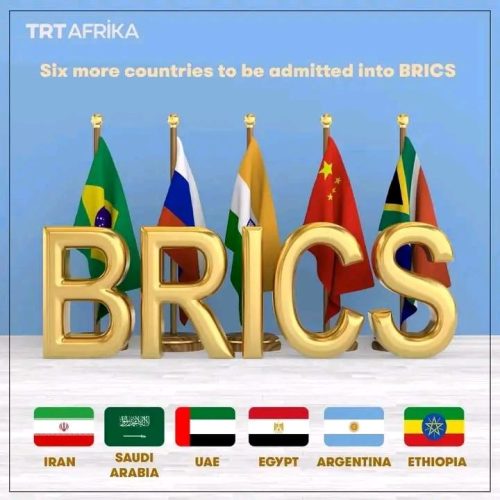
At the 17th BRICS Summit in Rio de Janeiro (July 6–7), leaders of Brazil, Russia, India, China, and South Africa jointly emphasized the critical need for data protection mechanisms to curb unchecked artificial intelligence (AI) growth. They issued a draft communique condemning excessive data collection and advancing fair remuneration for copyrighted material used in AI training .
The move reflects mounting concerns from emerging economies over the dominance of major tech firms—many based in developed countries—that amass vast troves of user-generated data without compensating creators. The BRICS bloc pressed for global AI governance structures that:
Prevent broad, unauthorized harvesting of data by AI systems
Establish licensing schemes to ensure fair compensation for original content used in model training
Safeguard personal and proprietary data of individuals and states
Why it matters
- Economic justice in the digital age
These demands highlight an ongoing struggle over who benefits from the AI revolution. While Western tech giants—and their users globally—tap into massive datasets for profit, BRICS nations argue that creators and nations supplying this data remain uncompensated. - Digital decolonization
The call for equitable data practices is also a strategic pushback against what BRICS nations view as tech hegemony from wealthier countries. Promoting their own data sovereignty, they aim to level the playing field in the global digital economy. - Towards structured AI regulation
Discussions in Rio mark a significant step toward binding international AI frameworks. The proposed safeguards echo principles seen in emerging global treaties and national AI ethics policies .
Summit context and wider agenda
Multilateral stance: Brazilian President Lula recast BRICS as a modern successor to the Non-Aligned Movement, reinforcing unity amid rising geopolitical tensions .
High-level attendance: Indian Prime Minister Modi and South African President Ramaphosa were present in Rio, while China’s Xi Jinping sent his prime minister and Russia’s Vladimir Putin participated via video link .
Expanding agenda: Beyond AI, leaders addressed calls for reforming global trade, climate financing, and UN representation—signaling a broader push for enhanced influence on the world stage .
Takeaway
BRICS leaders are moving beyond rhetoric, advocating for principled protections in AI that respect creators’ rights and national data control. If these proposals gain traction, they could reshape global norms around AI ethics, intellectual property, and technology equity—especially in ways that empower developing economies.
