


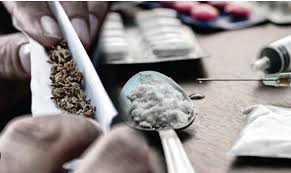
The Founder and President of ImeyrReach Foundation, an NGO, Mr. Oluwayemi Odubote, has decried the devastating effects of drug abuse on Nigerian youths and called for urgent collective action to reverse the trend.
Odubote, who is also a mental health advocate, made the call during an interview with reporters on Tuesday in Lagos.
He warned that drug abuse has ruined the futures of many young people, describing its impacts as profoundly destructive. Prolonged use, he said, leads to severe health risks including brain damage, organ failure, mental illness, and often death.
Beyond physical tolls, Odubote explained that drug abuse impairs mental and emotional well-being while undermining daily functioning, performance, and productivity.
He linked drug use to rising crime and violence, including armed robbery, cultism, kidnapping, banditry, and domestic violence. Additional consequences he highlighted include lack of concentration, depression, kidney damage, cardiovascular disease, weight loss, and even murder or assassination.
“It is worrisome that Nigeria occupies a prominent place in the global hard drug use and trafficking index,” Odubote stated.
“Drug abuse destroys destinies and dreams, rendering users useless for life if care is not taken. It can truncate national development, as a generation enslaved by drugs weakens the nation’s workforce, security, and productivity.
“Many students hooked on drugs drop out, ruining their academic and career prospects, while parents and siblings suffer emotionally and financially when a young family member becomes addicted,” he added.
Despite the grim outlook, Odubote expressed optimism that change is possible through decisive, collective efforts.
He urged parents to be more present in their children’s lives by monitoring peer groups and providing emotional support.
“Research shows that young people who reported strong ties with their parents and families were significantly less likely to engage in risky behaviors, including substance abuse,” he noted.
“As a parent, always monitor your children closely to know when they are getting involved with drugs, because drug abuse is often a secret habit that may be difficult to identify.
“If a parent is close or friendly with his/her child and has established a good relationship, such a parent will be able to detect when the child is going astray or getting involved in illicit drugs,” he emphasized.
Contributing to the discussion, the Chief Executive Officer of Adicare Rehabilitation Home, an NGO, Mrs. Veronica Ezeh, stressed that education remains a key tool to deter involvement in drugs.
She pointed out that many youths who abuse substances are unaware of the serious negative consequences, often influenced by friends or peer pressure.
Ezeh recommended incorporating drug education into school curricula to empower students with knowledge for informed decisions.
She also advocated for stronger security measures, better monitoring, and tighter border controls to curb the importation and exportation of illicit drugs.
“Governments at all levels must close loopholes that allow the circulation of illicit drugs,” she said.
“Young people must also be at the forefront of this fight—using music, art, and social media to spread anti-drug messages and inspire healthier lifestyles.
“Similarly, government must be proactive in job creation and economic opportunities. Empowering youths with jobs, vocational training, and entrepreneurship opportunities will reduce idleness and hopelessness that drive drug use,” Ezeh concluded.
The calls from these advocates come amid ongoing national concerns over rising substance abuse, which experts and agencies like the NDLEA continue to link to broader societal challenges including mental health crises, crime, and lost productivity among the youth demographic.
