

• Home
  • Agric
  • Sci & Tech
  • Health
  • Environment
  • Hausa News
  • More
    • Business/Banking & Finance
    • POLITICS
    • Entertainments & Sports
    • International
    • Investigation
    • Law & Human Rights
    • Africa
    • ACCOUNTABILITY/CORRUPTION
    • Hassan Gimba
    • Column
    • Prof. Jibrin Ibrahim
    • Prof. M.K. Othman
    • Defense/Security
    • Education
    • Energy/Electricity
    • Entertainment/Arts & Sports
    • Society and Lifestyle
    • Food & Agriculture
    • Health & Healthy Living
    • International News
    • Interviews
    • Investigation/Fact-Check
    • LAW & HUMAN RIGHTS
    • Oil & Gas/Mineral Resources
    • PRESS FREEDOM/JOURNALISM/PR
    • General News
    • Presidency
  • About Us
    • Contact Us
    • Board Of Advisory
    • Privacy Policy
    • Ethics Policy
    • Teamwork And Collaboration Policy
    • Fact-Checking Policy
    • Advertising
  • Media OutReach Newswire
    • Wire News
  • The Stories
Facebook Twitter Instagram
Trending
  • Two Straits, One Storm: Yemen, Iran, and the Unfinished Arithmetic of Adventurism
  • Gynaecologist seeks stronger primary healthcare to cut maternal deaths
  • Beyond the dance: Lessons from Osun 2026 for Nigeria 2027, by Prof. M.K. Othman
  • Bwari riders decry motorcycle theft, seizures
  • SDNON felicitates with member over appointment as head of media directorate for Delta NDC guber campaign
  • States spend N35bn on flood, erosion control
  • Of caps, marabouts and politics of envy, by Hassan Gimba
  • FG scraps data charges for students on approved educational platforms
Facebook Twitter Instagram YouTube
AsheNewsAsheNews
  • Home
  • Agric

    Who is policing the poison in Nigeria’s food chain?

    September 12, 2026

    NASC, PIND sign seed partnership

    September 12, 2026

    Women farmers call for investment in value-added agriculture

    September 11, 2026

    Women farmers laud SAA rice program in Jigawa

    September 11, 2026

    Poultry industry key to food security, jobs – PAN official

    September 10, 2026
  • Sci & Tech

    Nigeria urged to mainstream election tech

    September 11, 2026

    Biotech key to Nigeria’s food security, experts say

    September 10, 2026

    Australia to let users switch off social media algorithms

    September 9, 2026

    Africa contributes less than 1% of dementia research despite projected 348% rise in West Africa – Maina

    September 9, 2026

    Nigeria must stop consuming foreign neuroscience knowledge, NSN president says

    September 9, 2026
  • Health

    Gynaecologist seeks stronger primary healthcare to cut maternal deaths

    September 13, 2026

    BRICON urges cancer survivors to embrace life

    September 13, 2026

    Doctor urges Nigerians to prevent illness

    September 12, 2026

    Kaduna begins diphtheria vaccination

    September 12, 2026

    JDPCI calls for disability inclusion

    September 12, 2026
  • Environment

    Bwari riders decry motorcycle theft, seizures

    September 13, 2026

    States spend N35bn on flood, erosion control

    September 13, 2026

    Lagos moves beyond dumpsites

    September 12, 2026

    LASCOPA, NDLEA partner on drug abuse

    September 12, 2026

    RDI urges action to save Okun Alfa

    September 12, 2026
  • Hausa News

    UNA signs MoU to launch air Bissau in Guinea-Bissau

    June 15, 2026

    Otti plans 250-room 5-star hotel in Umuahia

    April 11, 2026

    Anti-quackery task force seals 4 fake hospitals in Rivers

    August 29, 2025

    [BIDIYO] Yadda na lashe gasa ta duniya a fannin Ingilishi – Rukayya ‘yar shekara 17

    August 6, 2025

    A Saka Baki, A Sasanta Saɓani Tsakanin ‘Yanjarida Da Liman, Daga Muhammad Sajo

    May 21, 2025
  • More
    1. Business/Banking & Finance
    2. POLITICS
    3. Entertainments & Sports
    4. International
    5. Investigation
    6. Law & Human Rights
    7. Africa
    8. ACCOUNTABILITY/CORRUPTION
    9. Hassan Gimba
    10. Column
    11. Prof. Jibrin Ibrahim
    12. Prof. M.K. Othman
    13. Defense/Security
    14. Education
    15. Energy/Electricity
    16. Entertainment/Arts & Sports
    17. Society and Lifestyle
    18. Food & Agriculture
    19. Health & Healthy Living
    20. International News
    21. Interviews
    22. Investigation/Fact-Check
    23. LAW & HUMAN RIGHTS
    24. Oil & Gas/Mineral Resources
    25. PRESS FREEDOM/JOURNALISM/PR
    26. General News
    27. Presidency
    Featured
    Recent

    Two Straits, One Storm: Yemen, Iran, and the Unfinished Arithmetic of Adventurism

    September 13, 2026

    Gynaecologist seeks stronger primary healthcare to cut maternal deaths

    September 13, 2026

    Beyond the dance: Lessons from Osun 2026 for Nigeria 2027, by Prof. M.K. Othman

    September 13, 2026
  • About Us
    1. Contact Us
    2. Board Of Advisory
    3. Privacy Policy
    4. Ethics Policy
    5. Teamwork And Collaboration Policy
    6. Fact-Checking Policy
    7. Advertising
    Featured
    Recent

    Two Straits, One Storm: Yemen, Iran, and the Unfinished Arithmetic of Adventurism

    September 13, 2026

    Gynaecologist seeks stronger primary healthcare to cut maternal deaths

    September 13, 2026

    Beyond the dance: Lessons from Osun 2026 for Nigeria 2027, by Prof. M.K. Othman

    September 13, 2026
  • Media OutReach Newswire
    • Wire News
  • The Stories
AsheNewsAsheNews
Home»Health & Healthy Living»HIV: 7 ways to manage medication side effects
Health & Healthy Living

HIV: 7 ways to manage medication side effects

Abdallah el-KurebeBy Abdallah el-KurebeAugust 29, 2024Updated:August 29, 2024No Comments5 Mins Read
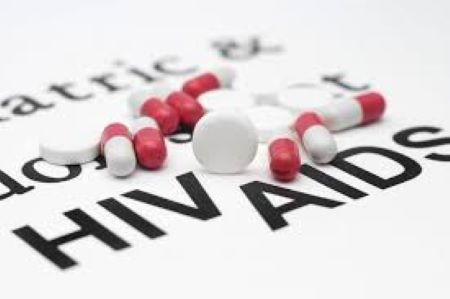
HIV medication
HIV medication
Share
Facebook Twitter LinkedIn Pinterest Email

Medications for HIV have many side effects and can make it challenging to continue treatment. Learn how to manage the side effects to ensure successful treatment and maintain quality of life.

Although HIV remains incurable, various medications are available to help people living with HIV live longer, healthier lives and reduce the likelihood of virus transmission.

Treatment for HIV — known as antiretroviral therapy (ART) — involves taking a combination of medications that target different parts of the viral life cycle to prevent replication of the virus in the body. These drugs can help suppress the amount of virus in the body to the point where doctors consider it under control.

However, all medications have a risk of side effects, and HIV treatments are no exception. The side effects a person experiences may vary based on the types of drugs they are taking. Most side effects due to HIV medications are mild, but some can be serious or may make it difficult to continue treatment.

According to an older studyTrusted Source involving more than 1,000 people living with HIV, the following side effects that most often led to discontinuation of treatment within the first year of ART were:

  • gastrointestinal symptoms, such as nausea, vomiting, or diarrhea
  • hematological effects — changes in blood cell counts
  • metabolic effects, such as changes in blood sugar or lipid levels

Other possible side effects of HIV medications may include:

  • weight changes
  • difficulty sleeping
  • dry mouth
  • headaches
  • rash
  • dizziness or fatigue
  • injection site pain, for medications given as a shot

Many of these side effects can improve after a few weeks of taking HIV medications. Additionally, people can better tolerate some newer HIV medications.

A person with HIV must take ART for life, but some side effects can affect willingness or ability to continue with treatment. Therefore, it is important to be proactive about managing these effects to help ensure treatment is successful and to preserve quality of life. The infographic below outlines seven steps a person can take to help manage the side effects of HIV medications and continue with their HIV care plan.

  1. Learn what to expect

Before starting treatment, a healthcare professional can help set expectations for the types of side effects a person may experience based on the specific medications they are taking and the possible steps to prevent or manage these effects.

If any side effects arise, a person needs to discuss them with a healthcare professional right away to ensure they can manage them appropriately.

  • Review current medications

Some HIV medications can interact with other types of drugs, leading to additional side effects or potentially reduced efficacy. Before a person starts ART — or any new medications — it is important to make sure the prescribing physician knows all of their current medications and supplements.

Some common medications and supplements known to interact with HIV medications include:

  • proton pump inhibitors or other antacids
  • iron supplements
  • warfarin or other blood thinners
  • oral birth control
  • statins
  • Consider diet changes

Nausea is a common side effect of several HIV medications, including a group of drugs known as protease inhibitors, which are part of most ART combination regimens. Eating smaller meals and avoiding spicy foods can help prevent or manage nausea so that it will not be as much of an issue.

A heart-healthy diet can also help prevent complications that may develop due to metabolic or weight changes. These types of effects are common with nucleotide reverse transcriptase inhibitors, another kind of medication often part of ART combination regimens.

A registered dietitian can help ensure that a person is still getting all the nutrients they need from their diet while helping manage medication side effects.

4. Ask about supportive medications

A person can take additional medications to help manage many of the side effects of ART, such as nausea, diarrhea, or headaches. A healthcare professional can help identify supportive treatment to add to a person’s care plan to help prevent these effects.

Due to the potential risk of drug interactions, a person should not take new medications or supplements without consulting a healthcare professional.

5. Have the recommended preventive screening

Many HIV medications cause side effects that are not detectable without blood work, urine tests, or imaging. People living with HIV should have regular checkups with a primary care physician who can provide preventive screening to detect changes to their health before they cause severe complications.

Types of screening that may help detect medication side effects include:

  • blood counts and chemistry, including kidney and liver functions
  • urine tests
  • bone scans to check for bone loss

6. Get moving

People with HIV are at a higher riskTrusted Source for heart disease due to the viral infection itself. Heart disease may also result from the effects of ART, but newer medications pose a lower risk.

In combination with a heart-healthy diet, regular physical activity can help prevent the cardiovascular and metabolic complications of HIV and HIV treatment, such as:

  • weight gain
  • glucose intolerance
  • diabetes
  • elevated cholesterol

7. Ask about alternative HIV medications

If side effects of ART become too much to tolerate, a healthcare professional can help determine whether switching to a different ART regimen may provide relief. Treatment switching is generally not recommended unless viral levels are well-controlled and a person is not experiencing any disease-related effects.

MedicalNewsToday

HIV Medication Side effects
Share. Facebook Twitter Pinterest LinkedIn WhatsApp Reddit Tumblr Email
Abdallah el-Kurebe
  • Website
  • Facebook
  • Twitter
  • LinkedIn

Related Posts

Gynaecologist seeks stronger primary healthcare to cut maternal deaths

September 13, 2026

BRICON urges cancer survivors to embrace life

September 13, 2026

Doctor urges Nigerians to prevent illness

September 12, 2026

Leave A Reply Cancel Reply

Two Straits, One Storm: Yemen, Iran, and the Unfinished Arithmetic of Adventurism

September 13, 2026

Gynaecologist seeks stronger primary healthcare to cut maternal deaths

September 13, 2026

Beyond the dance: Lessons from Osun 2026 for Nigeria 2027, by Prof. M.K. Othman

September 13, 2026

Bwari riders decry motorcycle theft, seizures

September 13, 2026
About Us
About Us

ASHENEWS (AsheNewsDaily.com), published by PenPlus Online Media Publishers, is an independent online newspaper. We report development news, especially on Agriculture, Science, Health and Environment as they affect the under-reported rural and urban poor.

We also conduct investigations, especially in the areas of ASHE, as well as other general interests, including corruption, human rights, illicit financial flows, and politics.

Contact Info:
  • 1st floor, Dogon Daji House, No. 5, Maiduguri Road, Sokoto
  • +234(0)7031140009
  • ashenewsdaily@gmail.com
Facebook Twitter Instagram Pinterest
© 2026 All Rights Reserved. ASHENEWS Daily Designed & Managed By DeedsTech

Type above and press Enter to search. Press Esc to cancel.