

• Home
  • Agric
  • Sci & Tech
  • Health
  • Environment
  • Hausa News
  • More
    • Business/Banking & Finance
    • Politics/Elections
    • Entertainments & Sports
    • International
    • Investigation
    • Law & Human Rights
    • Africa
    • ACCOUNTABILITY/CORRUPTION
    • Hassan Gimba
    • Column
    • Prof. Jibrin Ibrahim
    • Prof. M.K. Othman
    • Defense/Security
    • Education
    • Energy/Electricity
    • Entertainment/Arts & Sports
    • Society and Lifestyle
    • Food & Agriculture
    • Health & Healthy Living
    • International News
    • Interviews
    • Investigation/Fact-Check
    • Judiciary/Legislature/Law & Human Rights
    • Oil & Gas/Mineral Resources
    • Press Freedom/Media/PR/Journalism
    • General News
    • Presidency
  • About Us
    • Contact Us
    • Board Of Advisory
    • Privacy Policy
    • Ethics Policy
    • Teamwork And Collaboration Policy
    • Fact-Checking Policy
    • Advertising
  • Media OutReach Newswire
    • Wire News
  • The Stories
Facebook Twitter Instagram
Trending
  • Report: Nigeria’s military spending jumps 55% to $2.1bn amid worsening insecurity
  • Dollar dips ahead of Fed meeting as Middle East signals shift; outlook mixed for Nigeria
  • CTV audience grows over 300% to 8m viewers on GOtv
  • Yobe council approves N59.8bn for project, infrastructure
  • Oluremi reaffirms govt commitment to women’s empowerment
  • Bianca urges envoys to advance Nigeria’s interests via 4Ds
  • Gov. Bassey Otu urges journalists to uphold truth, professionalism
  • U.S. revives GSM-102 credit scheme to deepen agricultural trade with Nigeria
Facebook Twitter Instagram YouTube
AsheNewsAsheNews
  • Home
  • Agric

    U.S. revives GSM-102 credit scheme to deepen agricultural trade with Nigeria

    April 27, 2026

    Poultry farmers seek increased financing to boost production

    April 27, 2026

    Malnutrition: FG rolls out community food bank programme in Northeast

    April 27, 2026

    Yam prices surge across Lagos markets

    April 26, 2026

    Croc-City 2026: Kaduna targets hunger with strategy, not rhetoric

    April 26, 2026
  • Sci & Tech

    Nigeria needs unified cybersecurity – Expert warns

    April 27, 2026

    MTN Nigeria backs youth platform with over N45m

    April 27, 2026

    PalmPay CEO flags trust issues in digital payments

    April 25, 2026

    Meta to cut 10% of workforce amid AI push

    April 25, 2026

    China’s AI boom accelerates with DeepSeek’s new model

    April 25, 2026
  • Health

    Oluremi reaffirms govt commitment to women’s empowerment

    April 27, 2026

    GAC, UNICEF donate 45 motorcycles to boost Bauchi immunisation drive

    April 27, 2026

    Akwa Ibom activates heightened COVID-19 surveillance

    April 27, 2026

    NGO urges Rivers govt to boost Etche

    April 26, 2026

    WHO urges renewed commitment to immunisation

    April 26, 2026
  • Environment

    CTV audience grows over 300% to 8m viewers on GOtv

    April 27, 2026

    Yobe council approves N59.8bn for project, infrastructure

    April 27, 2026

    Rainstorm damages homes, school in Kaduna

    April 27, 2026

    LASTMA to launch free short code for traffic reports

    April 27, 2026

    LASEMA averts casualties in truck accident at Daleko bridge, Isolo

    April 27, 2026
  • Hausa News

    Otti plans 250-room 5-star hotel in Umuahia

    April 11, 2026

    Anti-quackery task force seals 4 fake hospitals in Rivers

    August 29, 2025

    [BIDIYO] Yadda na lashe gasa ta duniya a fannin Ingilishi – Rukayya ‘yar shekara 17

    August 6, 2025

    A Saka Baki, A Sasanta Saɓani Tsakanin ‘Yanjarida Da Liman, Daga Muhammad Sajo

    May 21, 2025

    Dan majalisa ya raba kayan miliyoyi a Funtuwa da Dandume

    March 18, 2025
  • More
    1. Business/Banking & Finance
    2. Politics/Elections
    3. Entertainments & Sports
    4. International
    5. Investigation
    6. Law & Human Rights
    7. Africa
    8. ACCOUNTABILITY/CORRUPTION
    9. Hassan Gimba
    10. Column
    11. Prof. Jibrin Ibrahim
    12. Prof. M.K. Othman
    13. Defense/Security
    14. Education
    15. Energy/Electricity
    16. Entertainment/Arts & Sports
    17. Society and Lifestyle
    18. Food & Agriculture
    19. Health & Healthy Living
    20. International News
    21. Interviews
    22. Investigation/Fact-Check
    23. Judiciary/Legislature/Law & Human Rights
    24. Oil & Gas/Mineral Resources
    25. Press Freedom/Media/PR/Journalism
    26. General News
    27. Presidency
    Featured
    Recent

    Report: Nigeria’s military spending jumps 55% to $2.1bn amid worsening insecurity

    April 27, 2026

    Dollar dips ahead of Fed meeting as Middle East signals shift; outlook mixed for Nigeria

    April 27, 2026

    CTV audience grows over 300% to 8m viewers on GOtv

    April 27, 2026
  • About Us
    1. Contact Us
    2. Board Of Advisory
    3. Privacy Policy
    4. Ethics Policy
    5. Teamwork And Collaboration Policy
    6. Fact-Checking Policy
    7. Advertising
    Featured
    Recent

    Report: Nigeria’s military spending jumps 55% to $2.1bn amid worsening insecurity

    April 27, 2026

    Dollar dips ahead of Fed meeting as Middle East signals shift; outlook mixed for Nigeria

    April 27, 2026

    CTV audience grows over 300% to 8m viewers on GOtv

    April 27, 2026
  • Media OutReach Newswire
    • Wire News
  • The Stories
AsheNewsAsheNews
Home»Health & Healthy Living»EXPLAINER: What you should know about anthrax disease
Health & Healthy Living

EXPLAINER: What you should know about anthrax disease

NewsdeskBy NewsdeskJuly 23, 2023Updated:July 23, 2023No Comments5 Mins Read
Share
Facebook Twitter LinkedIn Pinterest Email

By Fatima Zahra Muhammad

Last week, Nigeria’s Federal Ministry of Agriculture and Rural Development (FMARD) confirmed the index case of anthrax disease in the country.

The FMARD said that the case was observed at a farm in Suleja local government area of Niger State, in Nigeria’s North Central.

The Nigeria Centre for Disease Control (NCDC) said that it was notified on 13th July 2023, of the sudden deaths of livestock on this farm with eight mortality reported.

The statement signed by the Chief Veterinary Officer of Nigeria, Columba Vakuru said “The case was in a multi-specie animal farm comprising of cattle, sheep, and goats located at Gajiri, along Abuja-Kaduna expressway in Suleja Local Government Area, Niger State, where some of the animals had symptoms including oozing of blood from their body openings – anus, nose, eyes, and ears,”

What is Anthrax?

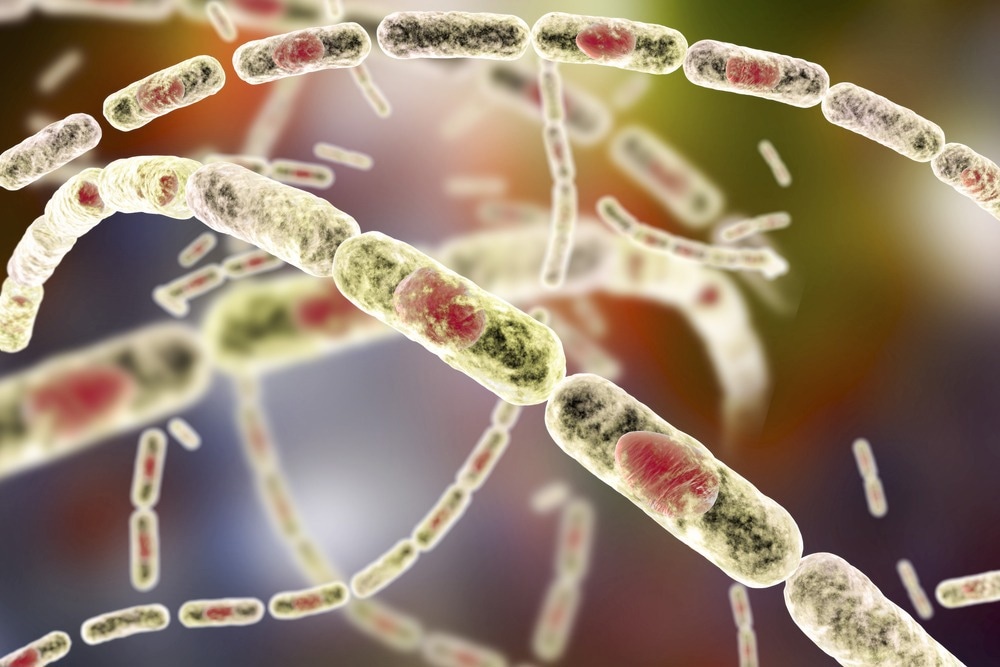
The NCDC defines anthrax disease as “a severe disease caused by the bacteria – Bacillus anthracis”.

The bacteria, the NCDC says can be found in the soil, wool, or hair of infected animals, ranging from wild animals and livestock such as cows, pigs, camels, sheep, goats, etc.

Similarly, the Africa Centre for Disease Control and Prevention (Africa CDC) says that the spores of the bacteria can survive in the environment for years or decades, awaiting uptake by the next host.

“People get infected with anthrax when spores get into the body. When anthrax spores get inside the body, they can be “activated.” When they become active, the bacteria can multiply, spread out in the body, produce toxins (poisons), and cause severe illness. This can happen when people breathe in spores, eat food or drink water that is contaminated with spores, or get spores in a cut or scrape in the skin,” Africa CDC says.

Based on the NCDC’s advisory, a major concern about the Anthrax disease is the resistance of its spores to extreme conditions.

Nigerians must know that the NCDC has established that anthrax spores can survive in the soil or environment for decades.

These characteristics of the disease make management of the disease “very difficult”.

With wet weather, deep digging, or when eaten by livestock or wild animals when they graze, the disease is brought to the surface, thereby increasing the chances of its transmission.

How can Anthrax be contacted?

The Centres for Disease Control and Prevention (CDC) stated that anthrax can be contacted in three ways.

  • Skin infection, i.e., direct contact with infected animals through wounds or cuts
  • Gastrointestinal, i.e., through eating raw or undercooked meat of infected animals or their products including milk.
  • Inhalation, i.e., breathing in the spores (the deadliest form of the disease)

Symptoms of Anthrax

Anthrax affects humans and animals differently.

The symptoms of anthrax in animals range from high fever, weakness, loss of appetite, bleeding from all body openings (nose, mouth, ears, anus, etc.), swelling and difficulty in breathing, and bloody diarrhea. It can lead to sudden death in most cases.

In humans, depending on the type (described above) and route of infection, anthrax can cause fever, painless skin sores with a black center that appears after the blisters, general body weakness, and difficulty in breathing. It can also cause severe digestive illness that resembles food poisoning.

“If anthrax is not identified and treated promptly, it can cause pneumonia, serious lung issues, breathing difficulties, shock, and death. Symptoms of anthrax include flu-like symptoms like coughing, fever, and muscular aches,” the National Biosafety Management Agency (NBMA) warns.

What are the best ways to curb anthrax outbreaks?

The Nigeria Center For Disease Control (NCDC) has enjoined livestock owners and healthcare workers to exercise an increased level of caution and suspicion to forestall exposure to the disease.

The NCDC advises caution in the sale and purchase of livestock, especially from areas flagged for the outbreak of the disease.

Early detection and reporting of suspected anthrax cases in animals or humans is important for implementing effective control measures, the NCDC says.

The WHO also advises on preventing the disease in animals to protect human health.

“Breaking the cycle of infection is the basis for control of anthrax in livestock. If a potential infectious source is known to exist, this should be eliminated without delay.

“In the event of a case or outbreak occurring in livestock, control measures consist of correct disposal of the carcass(es), decontamination of the site(s) and of items used to test and dispose of the carcass(es), and initiation of treatment and/or vaccination of other animals as appropriate. The best disposal method is incineration. The carcass should not be opened, since exposure to oxygen will allow the bacteria to form spores.

“Early detection of outbreaks, quarantine of affected premises, destruction of diseased animals and fomites, and implementation of appropriate sanitary procedures at abattoirs and dairy factories will ensure the safety of products of animal origin intended for human consumption,”

Is Anthrax treatable?

“Anthrax is treatable when reported early,” the NCDC maintains.

Similarly, the World Health Organization (WHO) says that anthrax is treated using antibiotics prescribed by a medical professional.

“Hospitalization is required for all human cases of anthrax. Individuals potentially exposed to anthrax spores may be provided with prophylactic treatment,” it said.

The WHO however warns against unprescribed use of antibiotics or any other drugs for treatment or protection against anthrax.

Anthrax disease Nigeria's Federal Ministry of Agriculture and Rural Development (FMARD)
Share. Facebook Twitter Pinterest LinkedIn WhatsApp Reddit Tumblr Email
Newsdesk
  • Website

Related Posts

Oluremi reaffirms govt commitment to women’s empowerment

April 27, 2026

GAC, UNICEF donate 45 motorcycles to boost Bauchi immunisation drive

April 27, 2026

Akwa Ibom activates heightened COVID-19 surveillance

April 27, 2026

Leave A Reply Cancel Reply

Report: Nigeria’s military spending jumps 55% to $2.1bn amid worsening insecurity

April 27, 2026

Dollar dips ahead of Fed meeting as Middle East signals shift; outlook mixed for Nigeria

April 27, 2026

CTV audience grows over 300% to 8m viewers on GOtv

April 27, 2026

Yobe council approves N59.8bn for project, infrastructure

April 27, 2026
About Us
About Us

ASHENEWS (AsheNewsDaily.com), published by PenPlus Online Media Publishers, is an independent online newspaper. We report development news, especially on Agriculture, Science, Health and Environment as they affect the under-reported rural and urban poor.

We also conduct investigations, especially in the areas of ASHE, as well as other general interests, including corruption, human rights, illicit financial flows, and politics.

Contact Info:
  • 1st floor, Dogon Daji House, No. 5, Maiduguri Road, Sokoto
  • +234(0)7031140009
  • ashenewsdaily@gmail.com
Facebook Twitter Instagram Pinterest
© 2026 All Rights Reserved. ASHENEWS Daily Designed & Managed By DeedsTech

Type above and press Enter to search. Press Esc to cancel.