


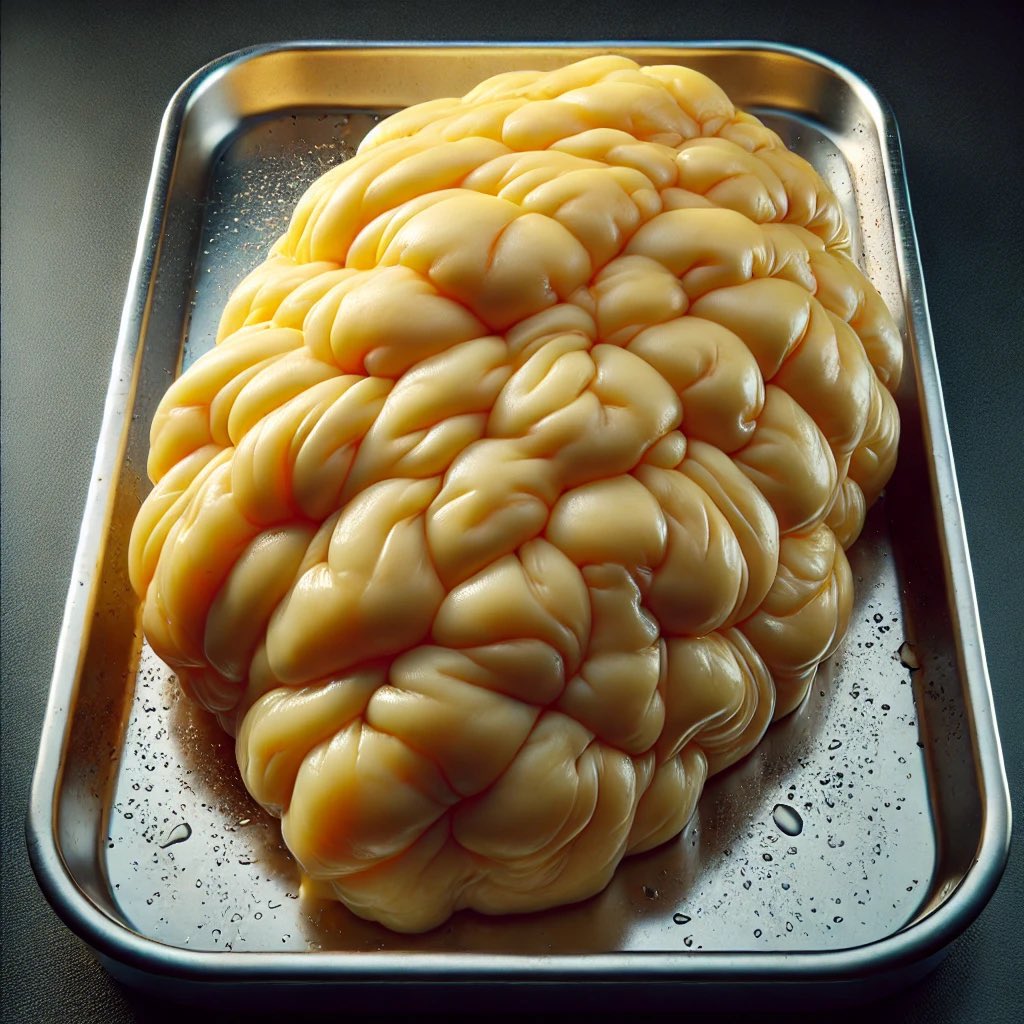
One of the hardest decisions people make daily is what food to eat. Questions like, “Is this healthy?” “How many calories does this contain?” are the order of day. It doesn’t help that FAT (as a food class) has been demonized.
Let’s talk about it.
“FAT” isn’t always bad, however not all fats are equal.
Your body needs fat for energy, brain function, production of hormones and for absorbing vitamins like A,D,E and K.
Some fats are great for your health, while others silently harm the body.
How do you differentiate?
There’re three types:
- Saturated fat
- Unsaturated fat
- Trans fat
The difference between these fats is their influence in both heart and blood health.
Saturated fat
They’re called saturated because of their chemical structure.
In saturated fats, there’s no space for more hydrogen bonds.
The structure is full, and they’re solid at room temperature.
What are the sources?
- Red meat (beef, pork and lamb)
- Butter and ghee
- Cheese and full fat diary
- Coconut oil and palm oil
- Dark chocolate
Should you eat them?
Saturated fats should be eaten in small amounts, and from natural foods.
However limit them if you have history of heart disease.
Omega 3 and 6 are essential fatty acids meaning we have to get them from food.
Unsaturated fat
These are the healthiest fats. They support heart health, reduce bad cholesterol and lower inflammation.
They differ from saturated fats due to the presence of double bonds in their structure.
They can be;
- Monosaturated
- Polysaturated
In monounsaturated, there’s one double bond.
In polyunsaturated, there’re 2 or more double bonds.
The more double bonds, the better the fat.
Polyunsaturated fats are the omega 3 and 6 fatty acids.
Omega 3 and 6 are essential fatty acids meaning we have to get them from food.
Food sources of these fats:
- Fatty fish like salmon and sardines
- Chia seeds and flax seeds
- Walnuts
- Olive oil
- Avocados
- Almonds, cashew nuts, peanuts
- Sunflower oil and soybean oil
Trans fat
Trans fat are the most harmful fats. They’re artificially made by adding hydrogen to oils, making them solid and more shelf stable.
Food sources of transfat:
- Processed foods (Biscuits, cakes, pastries)
- Fast food
- Margarine
- Deep fried foods
Why should you avoid them?
They lower good cholesterol and increase bad cholesterol.
They also increase the risk of heart disease, stroke and diabetes.
Additionally, they can cause inflammation and weight gain.
If you’re worried about what kind of fatty food to eat, remember:
- Go for unsaturated: Avocados, nuts and seeds, and fish.
- Eat saturated in small amounts: Red meat, butter and ghee, palm oil and dark chocolate.
- Avoid trans fat completely: Cakes, fried foods, biscuits, margarine.
Knowing about these fats would help you make a more informed decision on what foods to go for.
However moderation is also key.
By Pharm.Oluoma @zizelle_
