


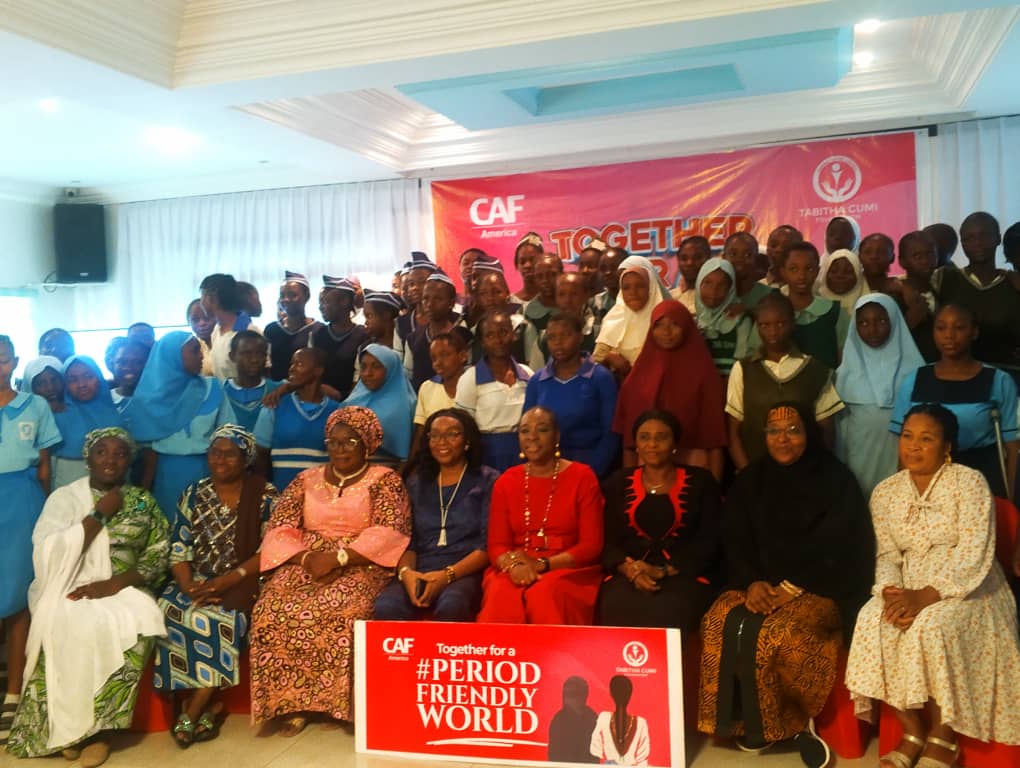
As concerns over adolescent health continue to rise, health professionals and parents are calling for greater awareness and education on personal hygiene among teenagers.
By Anna Moses
In an exclusive interview, Matron Tobi Emmanuel, a senior medical practitioner at the General Hospital, Minna, emphasized the urgent need for hygiene education targeted at teenagers. According to her, many common health issues affecting adolescents can be prevented with simple personal hygiene practices.
“Teenage hygiene goes beyond just appearing neat—it’s about protecting overall health, building self-confidence, and avoiding preventable infections,” she said. “We’re seeing more cases of candidiasis, skin infections causing itching, body odour, and urinary tract infections among adolescents—all of which are often linked to poor hygiene.”
She added, “Conditions like body odour, if not properly managed, can lead to stigma and social isolation, making it difficult for teenagers to interact freely with their peers.”
Matron Tobi stressed the roles of parents, teachers, and community leaders in addressing the issue. “Teaching young people how to wash their hands properly, bathe regularly, wear clean clothes, and maintain menstrual hygiene can go a long way,” she emphasized.
Supporting her views, Mrs. Victoria Adugu, a concerned parent, underscored the importance of early hygiene awareness. “Many teenagers are not properly guided on personal care. Parents must take the lead by teaching and modeling good hygiene habits at home,” she said.
Mrs. Adugu also highlighted the role of schools and religious bodies in reinforcing hygiene education. “Children are more likely to adopt these habits when the message is consistent—at home, in school, and across society,” she noted.
Sixteen-year-old Zainab Ibrahim, a senior secondary school student, shared how a school health talk transformed her habits. “Before, I didn’t take hygiene seriously. But after attending a session in school, I began to understand how it affects my health and confidence,” she said. “Now I bathe twice a day, brush my teeth regularly, and take better care of my body. It makes me feel more comfortable around others.”
She encouraged her peers not to feel ashamed about seeking help or discussing hygiene. “We all go through changes, and it’s okay to ask questions or talk to someone. Hygiene shouldn’t be a taboo topic.”
Matron Tobi also called on government agencies and NGOs to support teenagers by distributing free sanitary materials and establishing hygiene clubs in schools. “Teenagers are at a critical stage. The habits they form now will shape their future. If we invest in hygiene education today, we’ll raise a healthier and more confident generation,” she concluded.
With growing advocacy and the right interventions, experts believe that challenges around teenage hygiene can be effectively addressed, paving the way for better adolescent health and well-being.
