


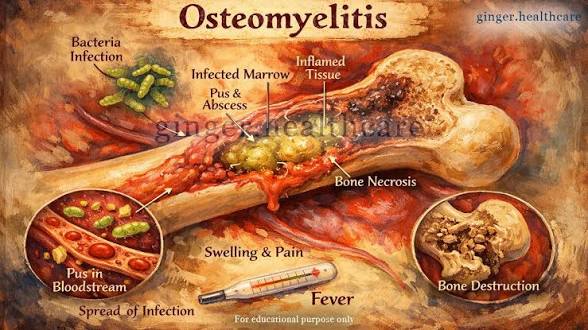
A medical expert, Dr Esther Ekundayo, has advised Nigerians to pay attention to persistent fever, pain and non-healing wounds, warning that they could indicate osteomyelitis, a serious bone infection requiring prompt treatment.
Ekundayo, a Senior Medical Officer at Karu General Hospital, Abuja, gave the advice in an interview with reporters on Wednesday, emphasising that the symptoms are often overlooked.
She explained that osteomyelitis can initially present with signs commonly mistaken for minor illnesses, delaying diagnosis and treatment and allowing the infection to spread and cause significant damage to the affected bones.
According to her, bacteria or fungi from infected wounds can enter the bloodstream and spread to the bone marrow, resulting in an infection that may weaken bones and compromise overall health.
She said wounds that remain unhealed for two or three weeks, especially when accompanied by fever, chills, weakness, persistent pain, pus or foul-smelling discharge, should receive immediate medical attention.
The medical expert identified children with untreated cuts, people living with diabetes or sickle cell disease, cancer patients undergoing treatment, and individuals with weakened immunity as particularly vulnerable.
She added that people suffering from bed sores also face an increased risk of developing osteomyelitis and should seek prompt medical care whenever wounds fail to heal properly.
Ekundayo urged individuals with suspicious or persistent wounds to avoid self-medication and unverified substances, emphasising that professional assessment is necessary to determine the extent of the infection.
According to her, diagnosis may involve a physical examination, a review of medical history, blood and wound tests, culture and sensitivity testing, as well as imaging procedures to confirm the infection.
She listed bone scans, computed tomography (CT) scans and magnetic resonance imaging (MRI) among the investigations that help healthcare professionals determine the severity and spread of the infection.
On treatment, Ekundayo said patients may receive antibiotics or antifungal medications based on laboratory findings, alongside appropriate wound care, pain management and close medical monitoring.
She explained that pus-filled wounds may require drainage, while surgery could become necessary in severe cases involving dead bone tissue or infections unresponsive to prescribed medication.
The expert advised Nigerians to keep wounds and surgical sites clean, properly dressed and protected from contamination, while maintaining regular hand hygiene to reduce infection risks.
She also urged patients to complete prescribed antibiotic courses and avoid applying saliva or unverified traditional substances to wounds, warning that such practices could worsen infections.
“Early medical attention can prevent a simple wound from progressing into a serious bone infection,” Ekundayo said, emphasising the importance of timely diagnosis and treatment for better outcomes.
