


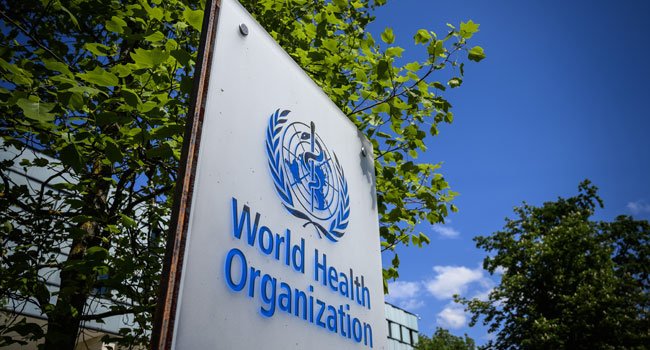
The World Health Organization (WHO) Director-General, Dr Tedros Ghebreyesus, has urged Member States to conclude negotiations on the Pandemic Agreement’s Pathogen Access and Benefit-Sharing (PABS) Annex, emphasising its importance to global health.
Ghebreyesus made the appeal in his opening remarks at the ninth meeting of the Intergovernmental Working Group (IGWG9) on the WHO Pandemic Agreement on Monday, urging delegates to reach consensus.
He said completing the PABS Annex would enable the Pandemic Agreement, adopted by Member States, to enter into force and strengthen international preparedness for future pandemics and emerging infectious diseases.
The WHO chief noted that the United Nations General Assembly had recently adopted a Political Declaration on pandemic prevention, preparedness and response, welcoming the Agreement and calling for negotiations to be concluded.
He said the ultimate objective of completing negotiations was to protect people, noting that infectious disease threats emerging in one country could rapidly endanger populations around the world.
Ghebreyesus cited the hantavirus outbreak earlier in 2026 and the ongoing Ebola epidemic in the Democratic Republic of the Congo (DRC) as reminders of the dangers posed by emerging infectious diseases.
He said no country could adequately protect itself from pandemics by acting alone, adding that the COVID-19 pandemic had demonstrated why international cooperation was essential to global health security.
According to him, COVID-19 exposed inequalities in access to vaccines and other life-saving tools. Some countries secured more supplies than they needed, while others were left waiting for assistance.
He said the inequitable distribution of vaccines cost lives, prolonged the pandemic and increased the risk of new variants emerging, creating additional challenges for countries worldwide.
Ghebreyesus said WHO and its partners had taken several steps to strengthen global health security following COVID-19, including improving national preparedness, surveillance, early warning systems and equitable access to medical countermeasures.
He listed initiatives including the Pandemic Fund, Universal Health and Preparedness Review, WHO Hub for Pandemic and Epidemic Intelligence, COVAX and the interim Medical Countermeasures Network, established to improve preparedness.
Other initiatives, he said, included the mRNA Technology Transfer Programme in South Africa, the Global Biomanufacturing Training Hub in South Korea and the WHO BioHub in Switzerland, all of which support international health security.
The WHO chief also highlighted the Global Health Emergency Corps and collaboration with the Coalition for Epidemic Preparedness Innovations (CEPI) to accelerate vaccine development for the ongoing Ebola outbreak.
He said Member States had strengthened global health security through amendments to the International Health Regulations in 2024 and the adoption of the Pandemic Agreement in 2025.
Ghebreyesus described the PABS Annex as the final component needed to bring existing global health security initiatives into an effective operational framework and ensure coordinated international action against future pandemics.
He said the mechanism would promote transparency, predictability, mutual responsibility, mutual benefit and trust in international cooperation on pathogen sharing and access to pandemic-related tools.
According to him, completing the Annex would establish a system for countries to share pathogens while ensuring equitable access to vaccines and other essential medical countermeasures during health emergencies.
He emphasised that multilateralism and national sovereignty were not conflicting principles, but mutually reinforcing approaches to addressing shared global health threats through cooperation and collective responsibility.
Ghebreyesus said successful negotiations would produce a durable framework capable of protecting humanity from pandemics for generations. He urged delegates to maintain the constructive spirit demonstrated during informal discussions.
He acknowledged that difficult issues remained unresolved but urged countries to focus on establishing a workable and equitable system that could be strengthened through practical experience and implementation.
The WHO Director-General outlined three priorities for delegates: negotiate with the intention of concluding the process, distinguish essential demands from desirable provisions, and prioritise public health.
He said delegations should approach negotiations ready to find solutions, show flexibility on outstanding issues and focus on provisions that would deliver meaningful public health benefits for everyone.
Ghebreyesus said the effectiveness of the PABS Annex should be measured by its ability to ensure faster and more equitable responses when the next pandemic threat emerges.
He assured delegates of the WHO Secretariat’s full support, urging Member States to complete the work they had started and deliver an agreement that would strengthen global pandemic preparedness.
