


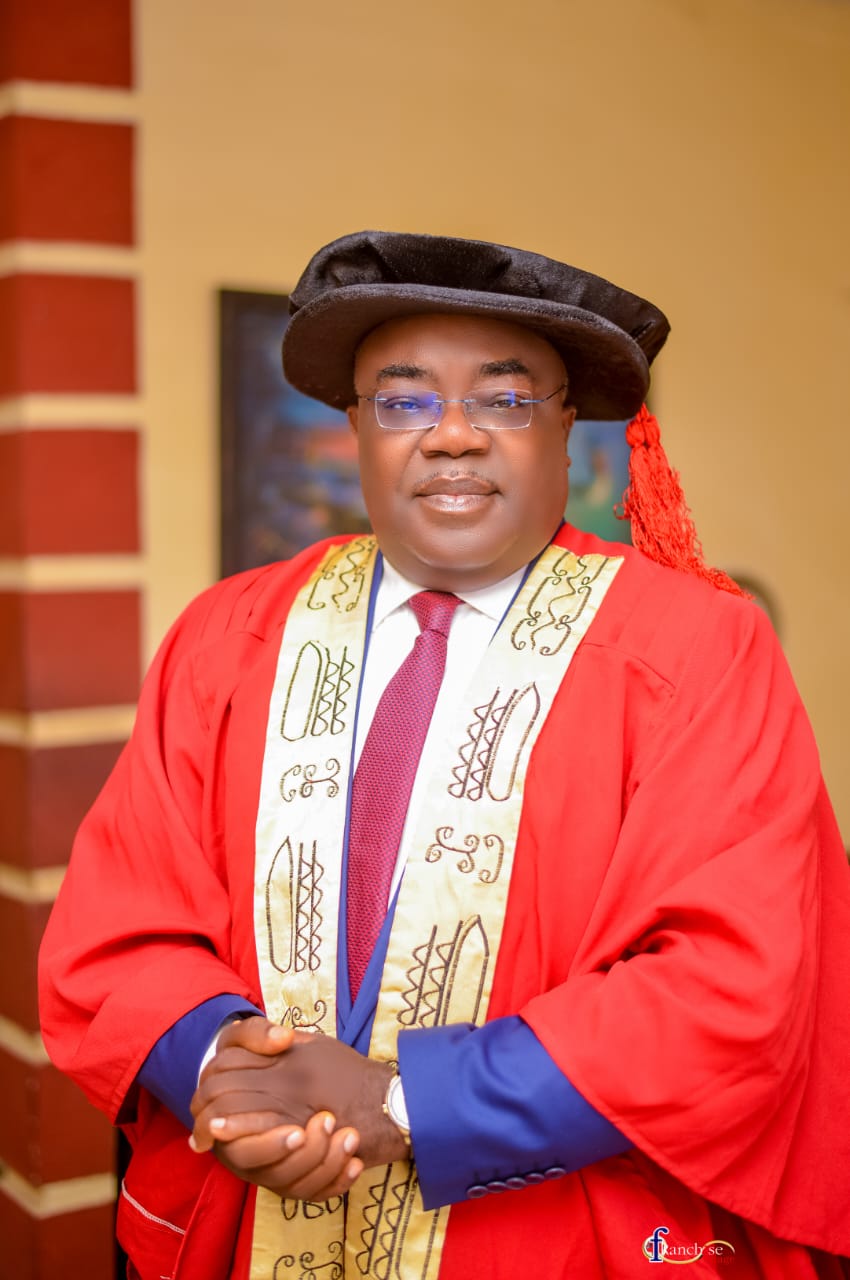
Prof. Ofem Enang has called for sweeping reforms in Nigeria’s healthcare system to tackle the rising burden of chronic diseases, inadequate specialist training, brain drain and infrastructural deficits.
Enang, a Professor of Medicine at the University of Calabar and Consultant Endocrinologist at the University of Calabar Teaching Hospital (UCTH), made the call in an interview with reporters in Calabar on Sunday.
He said the country must shift from a model focused mainly on treating advanced illnesses to one that prioritises prevention, early diagnosis and continuous disease management.
Enang identified diabetes and other endocrine disorders as major public health challenges, noting that many Nigerians live with diabetes without knowing their status. Delayed diagnosis, he said, often means patients only present at hospitals after developing serious complications such as kidney failure, stroke, heart disease, blindness and diabetic foot disease that can lead to amputation.
“Diabetes is largely a silent disease until its complications become very loud. Our public health response must begin before that stage,” he said.
He urged governments to strengthen primary healthcare centres to provide routine screening for blood glucose, blood pressure, obesity and other metabolic risk factors. Chronic diseases, he stressed, should not be detected only when patients reach tertiary facilities.
Enang, who is seeking appointment as the next Chief Medical Director (CMD) of UCTH, also advocated improved access to affordable medicines, insulin, diagnostic services and glucose-monitoring devices, as well as stronger health insurance coverage for patients with chronic conditions.
On specialist manpower, he said Nigeria’s inability to produce and retain enough specialists is driving dependence on foreign medical treatment. He called for more residency and fellowship positions, improved accreditation of teaching hospitals for postgraduate training, investment in centres of excellence and competitive remuneration for medical specialists.
“Nigeria must stop treating specialist manpower development as an incidental outcome of the health system and begin treating it as a deliberate national investment,” he said.
On his aspiration to lead UCTH, Enang said his experience in clinical medicine, research, postgraduate training and professional leadership had prepared him for the role. His vision is to build a patient-centred, academically excellent, technologically enabled and financially sustainable teaching hospital that can serve as a reference point for quality healthcare in the South-South and beyond.
If appointed, his immediate priorities would include stabilising the institution, strengthening industrial harmony, improving staff welfare and addressing critical infrastructure gaps. He listed emergency and critical care, access to essential medicines, diagnostic services, patient safety and reduced waiting times among areas needing urgent attention.
He also pledged to tackle factors driving the migration of healthcare workers, including poor working conditions, inadequate equipment, excessive workload and limited career development opportunities. Resident doctors and other trainees would receive particular attention.
“A teaching hospital that continually exhausts its trainees risks undermining its future workforce,” he said.
Enang further promised transparent financial management, completion of critical ongoing projects and improved engagement with labour unions to prevent avoidable industrial disputes.
“I want UCTH to become an institution where patients want to come, professionals want to work, trainees want to learn, researchers want to collaborate, and the community can trust,” he said.
His leadership philosophy, he added, would be anchored on protecting patients, respecting professionals, developing trainees, ensuring accountability to government, and building an institution capable of sustaining progress beyond the tenure of any individual CMD.
