

• Home
  • Agric
  • Sci & Tech
  • Health
  • Environment
  • Hausa News
  • More
    • Business/Banking & Finance
    • POLITICS
    • Entertainments & Sports
    • International
    • Investigation
    • Law & Human Rights
    • Africa
    • ACCOUNTABILITY/CORRUPTION
    • Hassan Gimba
    • Column
    • Prof. Jibrin Ibrahim
    • Prof. M.K. Othman
    • Defense/Security
    • Education
    • Energy/Electricity
    • Entertainment/Arts & Sports
    • Society and Lifestyle
    • Food & Agriculture
    • Health & Healthy Living
    • International News
    • Interviews
    • Investigation/Fact-Check
    • LAW & HUMAN RIGHTS
    • Oil & Gas/Mineral Resources
    • PRESS FREEDOM/JOURNALISM/PR
    • General News
    • Presidency
  • About Us
    • Contact Us
    • Board Of Advisory
    • Privacy Policy
    • Ethics Policy
    • Teamwork And Collaboration Policy
    • Fact-Checking Policy
    • Advertising
  • Media OutReach Newswire
    • Wire News
  • The Stories
Facebook Twitter Instagram
Trending
  • Two Straits, One Storm: Yemen, Iran, and the Unfinished Arithmetic of Adventurism
  • Gynaecologist seeks stronger primary healthcare to cut maternal deaths
  • Beyond the dance: Lessons from Osun 2026 for Nigeria 2027, by Prof. M.K. Othman
  • Bwari riders decry motorcycle theft, seizures
  • SDNON felicitates with member over appointment as head of media directorate for Delta NDC guber campaign
  • States spend N35bn on flood, erosion control
  • Of caps, marabouts and politics of envy, by Hassan Gimba
  • FG scraps data charges for students on approved educational platforms
Facebook Twitter Instagram YouTube
AsheNewsAsheNews
  • Home
  • Agric

    Who is policing the poison in Nigeria’s food chain?

    September 12, 2026

    NASC, PIND sign seed partnership

    September 12, 2026

    Women farmers call for investment in value-added agriculture

    September 11, 2026

    Women farmers laud SAA rice program in Jigawa

    September 11, 2026

    Poultry industry key to food security, jobs – PAN official

    September 10, 2026
  • Sci & Tech

    Nigeria urged to mainstream election tech

    September 11, 2026

    Biotech key to Nigeria’s food security, experts say

    September 10, 2026

    Australia to let users switch off social media algorithms

    September 9, 2026

    Africa contributes less than 1% of dementia research despite projected 348% rise in West Africa – Maina

    September 9, 2026

    Nigeria must stop consuming foreign neuroscience knowledge, NSN president says

    September 9, 2026
  • Health

    Gynaecologist seeks stronger primary healthcare to cut maternal deaths

    September 13, 2026

    BRICON urges cancer survivors to embrace life

    September 13, 2026

    Doctor urges Nigerians to prevent illness

    September 12, 2026

    Kaduna begins diphtheria vaccination

    September 12, 2026

    JDPCI calls for disability inclusion

    September 12, 2026
  • Environment

    Bwari riders decry motorcycle theft, seizures

    September 13, 2026

    States spend N35bn on flood, erosion control

    September 13, 2026

    Lagos moves beyond dumpsites

    September 12, 2026

    LASCOPA, NDLEA partner on drug abuse

    September 12, 2026

    RDI urges action to save Okun Alfa

    September 12, 2026
  • Hausa News

    UNA signs MoU to launch air Bissau in Guinea-Bissau

    June 15, 2026

    Otti plans 250-room 5-star hotel in Umuahia

    April 11, 2026

    Anti-quackery task force seals 4 fake hospitals in Rivers

    August 29, 2025

    [BIDIYO] Yadda na lashe gasa ta duniya a fannin Ingilishi – Rukayya ‘yar shekara 17

    August 6, 2025

    A Saka Baki, A Sasanta Saɓani Tsakanin ‘Yanjarida Da Liman, Daga Muhammad Sajo

    May 21, 2025
  • More
    1. Business/Banking & Finance
    2. POLITICS
    3. Entertainments & Sports
    4. International
    5. Investigation
    6. Law & Human Rights
    7. Africa
    8. ACCOUNTABILITY/CORRUPTION
    9. Hassan Gimba
    10. Column
    11. Prof. Jibrin Ibrahim
    12. Prof. M.K. Othman
    13. Defense/Security
    14. Education
    15. Energy/Electricity
    16. Entertainment/Arts & Sports
    17. Society and Lifestyle
    18. Food & Agriculture
    19. Health & Healthy Living
    20. International News
    21. Interviews
    22. Investigation/Fact-Check
    23. LAW & HUMAN RIGHTS
    24. Oil & Gas/Mineral Resources
    25. PRESS FREEDOM/JOURNALISM/PR
    26. General News
    27. Presidency
    Featured
    Recent

    Two Straits, One Storm: Yemen, Iran, and the Unfinished Arithmetic of Adventurism

    September 13, 2026

    Gynaecologist seeks stronger primary healthcare to cut maternal deaths

    September 13, 2026

    Beyond the dance: Lessons from Osun 2026 for Nigeria 2027, by Prof. M.K. Othman

    September 13, 2026
  • About Us
    1. Contact Us
    2. Board Of Advisory
    3. Privacy Policy
    4. Ethics Policy
    5. Teamwork And Collaboration Policy
    6. Fact-Checking Policy
    7. Advertising
    Featured
    Recent

    Two Straits, One Storm: Yemen, Iran, and the Unfinished Arithmetic of Adventurism

    September 13, 2026

    Gynaecologist seeks stronger primary healthcare to cut maternal deaths

    September 13, 2026

    Beyond the dance: Lessons from Osun 2026 for Nigeria 2027, by Prof. M.K. Othman

    September 13, 2026
  • Media OutReach Newswire
    • Wire News
  • The Stories
AsheNewsAsheNews
Home»Health & Healthy Living»CDC raises alarm over rising drug-resistant infections in Africa
Health & Healthy Living

CDC raises alarm over rising drug-resistant infections in Africa

NewsdeskBy NewsdeskJanuary 3, 2026Updated:January 3, 2026No Comments4 Mins Read
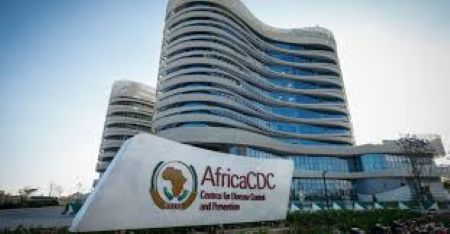
Africa CDC Headquarters
Share
Facebook Twitter LinkedIn Pinterest Email

A new study has reported a rise in drug-resistant infections across several African countries, including Nigeria, raising concern about the ability of health systems to treat common illnesses effectively.

The Africa Centres for Disease Control and Prevention (Africa CDC), made the report available to the News Agency of Nigeria(NAN), on Saturday in Abuja.

The Africa CDC said that the report was produced under the Mapping Antimicrobial Resistance and Antimicrobial Use Partnership (MAAP), the largest study of antimicrobial resistance carried out in Africa.

It was led by the organisation, the African Society for Laboratory Medicine (ASLM), the One Health Trust, and regional partners.

The African health organisation said that the study analysed more than 187,000 laboratory test results from 205 laboratories in 14 African countries, including Nigeria.

It said that the samples were collected between 2016 and 2019.

“The researchers found increasing resistance in bacteria commonly responsible for serious infections such as E. coli, Staphylococcus aureus and Klebsiella pneumoniae.

“The report showed that resistance to third-generation cephalosporins, a group of powerful antibiotics, was particularly high in Ghana and Malawi.

“In six countries, more than half of Staphylococcus aureus samples were resistant to methicillin, a widely used antibiotic. In Nigeria and Ghana, resistance levels were reported to be above 70 per cent,” it said.

The Africa CDC said that the study also reported that some groups were more likely to develop drug-resistant infections.

“People aged 65 years and above were 28 per cent more likely to have resistant infections than younger adults, while patients admitted to hospitals had a 24 per cent higher risk.

“The researchers said previous antibiotic use also increased the likelihood of resistance,” it said.

Dr Gabriel Adakole, a Public Health expert said that the findings have implications for Nigeria’s health sector, particularly hospitals and treatment facilities.

“The country has ongoing national efforts to strengthen antimicrobial resistance surveillance through the Nigeria Centre for Disease Control and Prevention (NCDC) and partner institutions,” he said.

However, Adakole said that gaps still exist in routine testing, antibiotic stewardship and data reporting, especially at the primary and secondary healthcare levels.

He also warned that misuse of antibiotics, including self-medication and over-the-counter access, contributes to rising resistance.

“Despite the growing burden, the report identified major gaps in testing capacity and data quality across Africa.

“Less than two per cent of health facilities assessed were able to test for bacterial infections, and only 12 per cent of resistance records were linked to patient information,” he said.

Meanwhile, Dr Yewande Alimi, One Health Unit Lead at Africa CDC, said that the quality of AMR data varied across countries, with Senegal recording stronger systems, while Sierra Leone had weaker data collection capacity.

“Many laboratories still rely on handwritten registers and do not have digital systems.

“The study, supported by the UK Fleming Fund and the US Centres for Disease Control and Prevention (CDC), called for increased investment in laboratory services, routine testing and digital data systems,” Alimi said.

She said the findings show the need for coordinated action on antimicrobial resistance across the continent.

“For African countries, AMR remains a complex problem, leaving countries with a million-dollar question:

“Where do we start from?’ This study brings to light groundbreaking AMR data for African countries. We must act now, and together, to address AMR,” she said.

Ashenews gathered through NAN that Antimicrobial resistance occurs when bacteria change in ways that make antibiotics less effective.

This makes infections harder to treat and increases the risk of complications, prolonged illness and death.

The World Health Organisation has identified antimicrobial resistance as one of the top global public health threats, with low- and middle-income countries facing a higher risk due to limited diagnostic capacity and weak regulatory systems.

In Nigeria and other African countries, antibiotics are sometimes used without prescription, contributing to resistance and treatment failure.

The report warned that without stronger action, drug-resistant infections could undermine progress made in healthcare delivery and disease control.

The MAAP partners said the findings provide a foundation for African governments to improve surveillance, treatment guidelines and public health planning.

Africa Centres for Disease Control and Prevention African Society for Laboratory Medicine Ghana Nigeria
Share. Facebook Twitter Pinterest LinkedIn WhatsApp Reddit Tumblr Email
Newsdesk
  • Website

Related Posts

Gynaecologist seeks stronger primary healthcare to cut maternal deaths

September 13, 2026

BRICON urges cancer survivors to embrace life

September 13, 2026

Doctor urges Nigerians to prevent illness

September 12, 2026

Leave A Reply Cancel Reply

Two Straits, One Storm: Yemen, Iran, and the Unfinished Arithmetic of Adventurism

September 13, 2026

Gynaecologist seeks stronger primary healthcare to cut maternal deaths

September 13, 2026

Beyond the dance: Lessons from Osun 2026 for Nigeria 2027, by Prof. M.K. Othman

September 13, 2026

Bwari riders decry motorcycle theft, seizures

September 13, 2026
About Us
About Us

ASHENEWS (AsheNewsDaily.com), published by PenPlus Online Media Publishers, is an independent online newspaper. We report development news, especially on Agriculture, Science, Health and Environment as they affect the under-reported rural and urban poor.

We also conduct investigations, especially in the areas of ASHE, as well as other general interests, including corruption, human rights, illicit financial flows, and politics.

Contact Info:
  • 1st floor, Dogon Daji House, No. 5, Maiduguri Road, Sokoto
  • +234(0)7031140009
  • ashenewsdaily@gmail.com
Facebook Twitter Instagram Pinterest
© 2026 All Rights Reserved. ASHENEWS Daily Designed & Managed By DeedsTech

Type above and press Enter to search. Press Esc to cancel.