

• Home
  • Agric
  • Sci & Tech
  • Health
  • Environment
  • Hausa News
  • More
    • Business/Banking & Finance
    • POLITICS
    • Entertainments & Sports
    • International
    • Investigation
    • Law & Human Rights
    • Africa
    • ACCOUNTABILITY/CORRUPTION
    • Hassan Gimba
    • Column
    • Prof. Jibrin Ibrahim
    • Prof. M.K. Othman
    • Defense/Security
    • Education
    • Energy/Electricity
    • Entertainment/Arts & Sports
    • Society and Lifestyle
    • Food & Agriculture
    • Health & Healthy Living
    • International News
    • Interviews
    • Investigation/Fact-Check
    • LAW & HUMAN RIGHTS
    • Oil & Gas/Mineral Resources
    • PRESS FREEDOM/JOURNALISM/PR
    • General News
    • Presidency
  • About Us
    • Contact Us
    • Board Of Advisory
    • Privacy Policy
    • Ethics Policy
    • Teamwork And Collaboration Policy
    • Fact-Checking Policy
    • Advertising
  • Media OutReach Newswire
    • Wire News
  • The Stories
Facebook Twitter Instagram
Trending
  • CONUA: Our advocacy has brought stability to university system
  • MRTBN registrar calls for better funding, more physiotherapists
  • Cancer survivors demand better psychological support, affordable treatment
  • Shettima: MSMEs hold key to Nigeria’s economic growth
  • Matna foods executive calls for value addition in Nigeria’s cassava sector
  • Tech expert urges community approach to boost Nigeria’s 5G adoption
  • BUA cement reaffirms support for displaced farmers in Sokoto
  • Niger inaugurates 28 member state health advisory committee
Facebook Twitter Instagram YouTube
AsheNewsAsheNews
  • Home
  • Agric

    Matna foods executive calls for value addition in Nigeria’s cassava sector

    June 27, 2026

    BUA cement reaffirms support for displaced farmers in Sokoto

    June 27, 2026

    Jigawa launches agricultural support for 90,000 farmers

    June 27, 2026

    BOA introduces strict data-driven credit profiling for farmers

    June 26, 2026

    ADP urges farmers to utilise extension services for higher yields

    June 26, 2026
  • Sci & Tech

    MRTBN registrar calls for better funding, more physiotherapists

    June 27, 2026

    Tech expert urges community approach to boost Nigeria’s 5G adoption

    June 27, 2026

    Expert warns against charging phones while sleeping

    June 27, 2026

    Former APWEN Chair, Eterigho, addresses global engineering conference

    June 26, 2026

    ISAAA AfriCenter launches Africa-wide biotech, biosafety information portal

    June 25, 2026
  • Health

    Cancer survivors demand better psychological support, affordable treatment

    June 27, 2026

    Niger inaugurates 28 member state health advisory committee

    June 27, 2026

    Association urges FG to strengthen PHCs for early disease detection

    June 27, 2026

    NHIA introduces 1 hour authorisation approval limit

    June 26, 2026

    EFCC doctor warns pregnant women against eclampsia

    June 26, 2026
  • Environment

    Shettima: MSMEs hold key to Nigeria’s economic growth

    June 27, 2026

    FCT NUJ pledges support for community policing in Abuja

    June 27, 2026

    ESWAMA warns violators of monthly sanitation exercise

    June 26, 2026

    Enugu gov invites global investors for climate projects

    June 26, 2026

    Recycling boom creates jobs for thousands in Lagos

    June 24, 2026
  • Hausa News

    UNA signs MoU to launch air Bissau in Guinea-Bissau

    June 15, 2026

    Otti plans 250-room 5-star hotel in Umuahia

    April 11, 2026

    Anti-quackery task force seals 4 fake hospitals in Rivers

    August 29, 2025

    [BIDIYO] Yadda na lashe gasa ta duniya a fannin Ingilishi – Rukayya ‘yar shekara 17

    August 6, 2025

    A Saka Baki, A Sasanta Saɓani Tsakanin ‘Yanjarida Da Liman, Daga Muhammad Sajo

    May 21, 2025
  • More
    1. Business/Banking & Finance
    2. POLITICS
    3. Entertainments & Sports
    4. International
    5. Investigation
    6. Law & Human Rights
    7. Africa
    8. ACCOUNTABILITY/CORRUPTION
    9. Hassan Gimba
    10. Column
    11. Prof. Jibrin Ibrahim
    12. Prof. M.K. Othman
    13. Defense/Security
    14. Education
    15. Energy/Electricity
    16. Entertainment/Arts & Sports
    17. Society and Lifestyle
    18. Food & Agriculture
    19. Health & Healthy Living
    20. International News
    21. Interviews
    22. Investigation/Fact-Check
    23. LAW & HUMAN RIGHTS
    24. Oil & Gas/Mineral Resources
    25. PRESS FREEDOM/JOURNALISM/PR
    26. General News
    27. Presidency
    Featured
    Recent

    CONUA: Our advocacy has brought stability to university system

    June 28, 2026

    MRTBN registrar calls for better funding, more physiotherapists

    June 27, 2026

    Cancer survivors demand better psychological support, affordable treatment

    June 27, 2026
  • About Us
    1. Contact Us
    2. Board Of Advisory
    3. Privacy Policy
    4. Ethics Policy
    5. Teamwork And Collaboration Policy
    6. Fact-Checking Policy
    7. Advertising
    Featured
    Recent

    CONUA: Our advocacy has brought stability to university system

    June 28, 2026

    MRTBN registrar calls for better funding, more physiotherapists

    June 27, 2026

    Cancer survivors demand better psychological support, affordable treatment

    June 27, 2026
  • Media OutReach Newswire
    • Wire News
  • The Stories
AsheNewsAsheNews
Home»General News»Research adds 1,400 years onto known history of dairy consumption
General News

Research adds 1,400 years onto known history of dairy consumption

NewsdeskBy NewsdeskOctober 20, 2022Updated:October 20, 2022No Comments3 Mins Read
Share
Facebook Twitter LinkedIn Pinterest Email

By AGDAILY

A new study published today in Proceedings of the National Academy of Sciences has shown that milk was used by the first farmers from Central Europe in the early Neolithic era around 7,400 years ago, advancing humans’ ability to gain sustenance from milk and establishing the early foundations of the dairy industry.

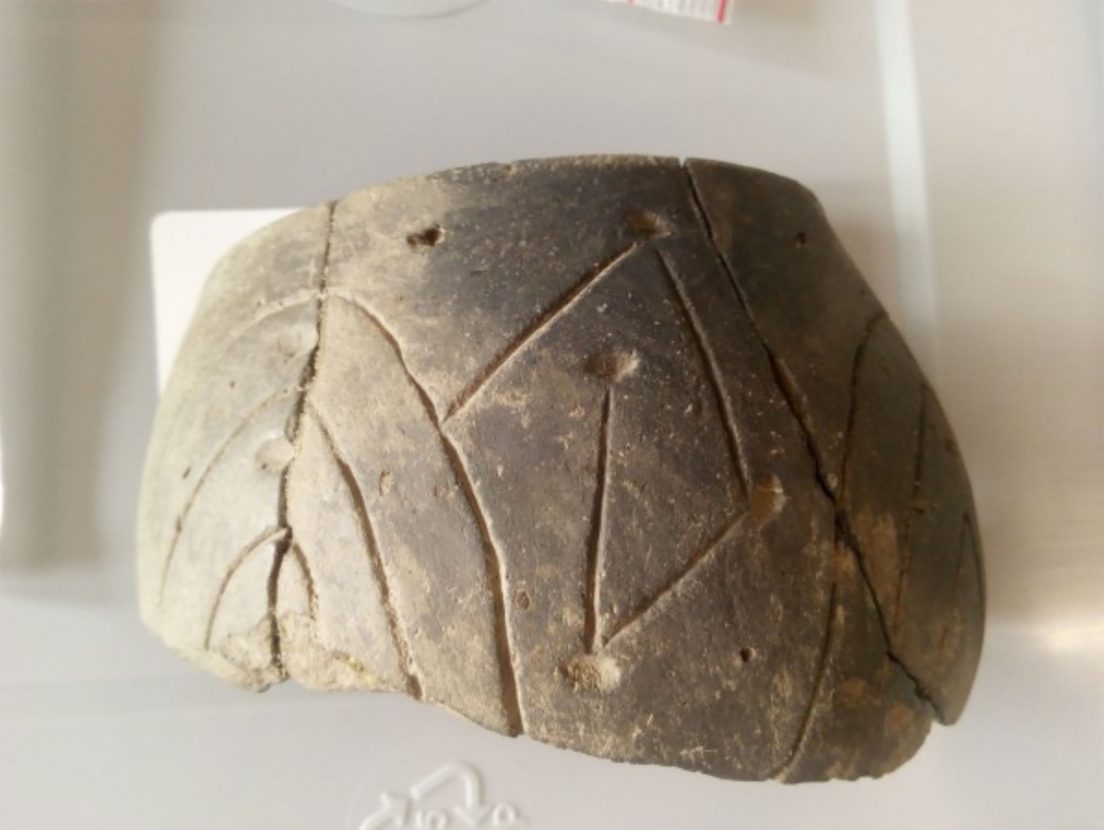
The international research, led by the University of Bristol in England, deployed a pioneering technique to date dairy fat traces preserved in the walls of pottery vessels from the 54th century BC.

This method targets fatty acids from animal fat residues, making it uniquely suited to pinpointing the introduction of new foodstuffs in prehistoric times.

Lead author Dr. Emmanuelle Casanova, who conducted the research while completing her PhD in archaeological chemistry at the University of Bristol, said: “It is amazing to be able to accurately date the very beginning of milk exploitation by humans in prehistoric times. The development of agropastoralism transformed prehistoric human diet by introducing new food commodities, such as milk and milk products, which continues to the present day.”

These settlers of South East, East, and West of Europe were the earliest Neolithic farming groups in Central Europe, known as the Linearbandkeramik (LBK) culture.

The findings of this research showed some of the very first settlers in the region were using milk at scale.

This new research expands findings from the University of York in 2019, which identified a milk protein called beta lactoglobulin entombed in the mineralized dental plaque of seven prehistoric British farmers dating to 6,000 years ago. At the time, that was the earliest direct evidence of milk consumption anywhere in the world.

This new work was part of the European Research Council (ERC) NeoMilk project led by Professor Richard Evershed of the School of Chemistry at the University of Bristol. His team analyzed more than 4,300 pottery vessels from 70 LBK settlements for their food residues.

The results revealed considerable variation in milk use across the region, with only 65 percent sites presenting evidence of dairy fats in ceramics vessels, suggesting milk use, while common, was not universally adopted by these early farmers.

Focusing on the sites and ceramics with dairy residues, the researchers produced around 30 new radiocarbon dates to chart the advent of dairy exploitation by LBK farmers.

These new dates correspond to the earliest LBK settlements during the middle of the 6th millennium BC.

Evershed said: “This research is hugely significant as it provides new insights into the timing of major changes in human food procurement practices, as they evolved across Europe. It provides clear evidence that dairy foods were in widespread circulation in the Early Neolithic, despite variations in the scale of activity.”

This article was published based on early-release data sent by the University of Bristol, and a link to the published study will be included once it is available.

By Agdaily.com

Diary production Research
Share. Facebook Twitter Pinterest LinkedIn WhatsApp Reddit Tumblr Email
Newsdesk
  • Website

Related Posts

CISLAC raises concerns over state policing constitutional amendment

June 27, 2026

My concerns about the dangers of introducing state police remain, By Prof. Jibrin Ibrahim

June 26, 2026

CISLAC raises alarm over Sowore’s alleged assault, Kaduna lynching

June 25, 2026

Leave A Reply Cancel Reply

CONUA: Our advocacy has brought stability to university system

June 28, 2026

MRTBN registrar calls for better funding, more physiotherapists

June 27, 2026

Cancer survivors demand better psychological support, affordable treatment

June 27, 2026

Shettima: MSMEs hold key to Nigeria’s economic growth

June 27, 2026
About Us
About Us

ASHENEWS (AsheNewsDaily.com), published by PenPlus Online Media Publishers, is an independent online newspaper. We report development news, especially on Agriculture, Science, Health and Environment as they affect the under-reported rural and urban poor.

We also conduct investigations, especially in the areas of ASHE, as well as other general interests, including corruption, human rights, illicit financial flows, and politics.

Contact Info:
  • 1st floor, Dogon Daji House, No. 5, Maiduguri Road, Sokoto
  • +234(0)7031140009
  • ashenewsdaily@gmail.com
Facebook Twitter Instagram Pinterest
© 2026 All Rights Reserved. ASHENEWS Daily Designed & Managed By DeedsTech

Type above and press Enter to search. Press Esc to cancel.