

• Home
  • Agric
  • Sci & Tech
  • Health
  • Environment
  • Hausa News
  • More
    • Business/Banking & Finance
    • POLITICS
    • Entertainments & Sports
    • International
    • Investigation
    • Law & Human Rights
    • Africa
    • ACCOUNTABILITY/CORRUPTION
    • Hassan Gimba
    • Column
    • Prof. Jibrin Ibrahim
    • Prof. M.K. Othman
    • Defense/Security
    • Education
    • Energy/Electricity
    • Entertainment/Arts & Sports
    • Society and Lifestyle
    • Food & Agriculture
    • Health & Healthy Living
    • International News
    • Interviews
    • Investigation/Fact-Check
    • LAW & HUMAN RIGHTS
    • Oil & Gas/Mineral Resources
    • PRESS FREEDOM/JOURNALISM/PR
    • General News
    • Presidency
  • About Us
    • Contact Us
    • Board Of Advisory
    • Privacy Policy
    • Ethics Policy
    • Teamwork And Collaboration Policy
    • Fact-Checking Policy
    • Advertising
  • Media OutReach Newswire
    • Wire News
  • The Stories
Facebook Twitter Instagram
Trending
  • PTA calls for upward review of teachers’ salaries
  • FG expands funding, local production to improve cancer care
  • Gov Otti warns Abia farmers must register for input support
  • AFAN Ogun dismisses impostors parading as executives
  • BOA launches 2026 wet season input distribution in Katsina
  • NMC dismisses claims of Nigeria’s IMO observer status
  • Association urges Nigerians on proper waste management
  • NSE kicks off 2026 national engineering games
Facebook Twitter Instagram YouTube
AsheNewsAsheNews
  • Home
  • Agric

    Gov Otti warns Abia farmers must register for input support

    July 11, 2026

    AFAN Ogun dismisses impostors parading as executives

    July 11, 2026

    BOA launches 2026 wet season input distribution in Katsina

    July 11, 2026

    From scarcity to scale: What Africa can learn from India’s agricultural transformation, by Alice Ruhweza and Dr Purvi Mehta

    July 10, 2026

    Experts recommend local alternatives to cut poultry feed costs

    July 10, 2026
  • Sci & Tech

    Nigeria’s food service industry hits $11.09bn in 2025 – Moniepoint

    July 10, 2026

    Academy of medical sciences condemns maternal mortality, epidemic risks

    July 9, 2026

    NCC advances transparent pricing for fibre sharing

    July 8, 2026

    IHVN, partners launch Lassa fever research to support vaccine development in Bauchi

    July 8, 2026

    Meta rolls out first in-house AI image generator across WhatsApp, Instagram, Facebook

    July 8, 2026
  • Health

    FG expands funding, local production to improve cancer care

    July 11, 2026

    Niger targets 100 Level-2 PHCs by year-end

    July 11, 2026

    Psychiatrist urges Nigerians to prioritise brain health

    July 10, 2026

    Niger govt intensifies monitoring of PHC upgrades to level II

    July 10, 2026

    Zamfara approves 6 month maternity leave for female civil servants

    July 10, 2026
  • Environment

    NMC dismisses claims of Nigeria’s IMO observer status

    July 11, 2026

    Association urges Nigerians on proper waste management

    July 11, 2026

    NSE kicks off 2026 national engineering games

    July 11, 2026

    Young innovators rewarded millions for plastic waste solutions

    July 10, 2026

    AKK gas pipeline 95% complete, on track for commissioning

    July 10, 2026
  • Hausa News

    UNA signs MoU to launch air Bissau in Guinea-Bissau

    June 15, 2026

    Otti plans 250-room 5-star hotel in Umuahia

    April 11, 2026

    Anti-quackery task force seals 4 fake hospitals in Rivers

    August 29, 2025

    [BIDIYO] Yadda na lashe gasa ta duniya a fannin Ingilishi – Rukayya ‘yar shekara 17

    August 6, 2025

    A Saka Baki, A Sasanta Saɓani Tsakanin ‘Yanjarida Da Liman, Daga Muhammad Sajo

    May 21, 2025
  • More
    1. Business/Banking & Finance
    2. POLITICS
    3. Entertainments & Sports
    4. International
    5. Investigation
    6. Law & Human Rights
    7. Africa
    8. ACCOUNTABILITY/CORRUPTION
    9. Hassan Gimba
    10. Column
    11. Prof. Jibrin Ibrahim
    12. Prof. M.K. Othman
    13. Defense/Security
    14. Education
    15. Energy/Electricity
    16. Entertainment/Arts & Sports
    17. Society and Lifestyle
    18. Food & Agriculture
    19. Health & Healthy Living
    20. International News
    21. Interviews
    22. Investigation/Fact-Check
    23. LAW & HUMAN RIGHTS
    24. Oil & Gas/Mineral Resources
    25. PRESS FREEDOM/JOURNALISM/PR
    26. General News
    27. Presidency
    Featured
    Recent

    PTA calls for upward review of teachers’ salaries

    July 11, 2026

    FG expands funding, local production to improve cancer care

    July 11, 2026

    Gov Otti warns Abia farmers must register for input support

    July 11, 2026
  • About Us
    1. Contact Us
    2. Board Of Advisory
    3. Privacy Policy
    4. Ethics Policy
    5. Teamwork And Collaboration Policy
    6. Fact-Checking Policy
    7. Advertising
    Featured
    Recent

    PTA calls for upward review of teachers’ salaries

    July 11, 2026

    FG expands funding, local production to improve cancer care

    July 11, 2026

    Gov Otti warns Abia farmers must register for input support

    July 11, 2026
  • Media OutReach Newswire
    • Wire News
  • The Stories
AsheNewsAsheNews
Home»General News»Paving the way for Gender Equality in Media Representation [II]
General News

Paving the way for Gender Equality in Media Representation [II]

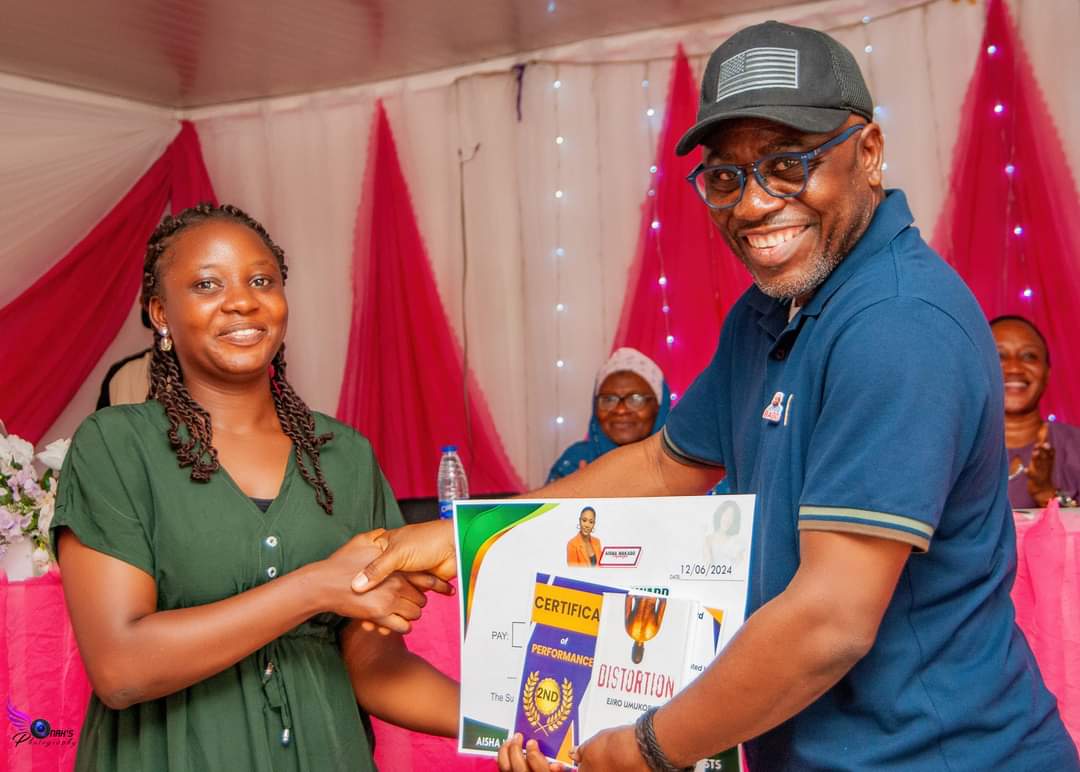
This essay is written by Moses Ruth Seyi and won the Second Place in the 2024 Wakaso Award for Young Female Journalists in Niger state.
EditorBy EditorJune 14, 2024Updated:June 17, 2024No Comments6 Mins Read
Share
Facebook Twitter LinkedIn Pinterest Email

Gender equality has been on the table of many nations of the world as inequality has been a bone in the throat. 

By Moses Ruth

The United Nations (UN) has been championing gender equality since its founding in 1945, advancing women’s rights and empowerment worldwide with media being a major tool. 

However, Media, while shaping the world’s perception and attitude towards gender has projected some misrepresentation and underrepresentation of gender. 

There is a widespread of gender inequality across all media where men are placed higher than their female counterparts. Women are projected to be “incapable” of carrying out certain tasks and attaining certain heights.

The lack of gender equality in media representation has led to suppression of women’s voices and created unhealthy stereotypes. 

Research has shown that women hold only 24% of the positions heard, read about or seen in newspaper, television and radio news and only 37% of stories are reported by women (GMMP, 2015). 

Attaining gender equality is crucial, as Justine Greening puts it, “No country can fully develop if half of its population is left behind.”

ALSO READ Why varsities should adopt astronomy studies – NASRDA

The field of journalism is not at its best potential because the women in the field are “left behind”. This has led to a great imbalance.

In the world of Journalism, women are faced with several challenges due to gender inequality in representation. One of the major challenge they face is bias and stereotypes. 

Women are usually allocated to “soft news” beats because they are tagged “soft in nature” while their male counterparts are given hard news beats such as politics, spots and the likes. 

There has been bias in recruitment and hiring of staffs in the media world. For instance, across various higher institutions in Nigeria, there are more women studying mass communication than men, but on the field, we see more men. Women have been characterized as weak and unable to perform certain tasks which is wrong. 

This in the long run promotes harmful gender norms and stereotypes as well as limiting perspectives and creating a wrong narrative.

Furthermore, there has been underrepresentation of women in leadership position in the field of journalism. There are limited opportunities for advancement for women even when they are qualified. 

According to a report by the International Women’s Foundation, women make up only 37% of newsroom staff globally, and even fewer hold leadership positions. This underrepresentation of women makes it difficult for the media narrative to be shaped. 

Men are overrepresented in leadership positions and as authorities in the field thereby hindering women from climbing up the ladder. Although in recent time, there has been few women in leadership positions but it is nothing compared their male analogues. This underrepresentation leads to lack of experience and limited career advancement for women.

ALSO READ Zamfara APC suspends Rep member over alleged anti-party activities

In addition, women experience harassment and discrimination. They are sexually harassed by male colleagues and even when at work on the field. They also face online harassment and trolls from social media users. For instance, most of them are body shamed and insulted. 

There is also gender discrimination in newsrooms, beats and position allocation as well as payments with women at the receiving end because they are tagged “weaker vessels and meant for the kitchen and other room.”

This creates a toxic, unhealthy and unsafe work environment for women, making it difficult for them to thrive, thereby silencing their voices.

However, it is important to note that Gender equality is not a women’s issue, it is a human issue” (Malala Yousafzai). 

There are certain measures one can take to curb this situation and it starts with dealing with the people because culture not make people, people make culture. To ensure an equitable media environment and address the challenges above, it is important to:

Eliminate bias and stereotypes: Women should not be limited to certain beats especially soft news. 

There should be increased diversity in newsrooms, gender sensitivity trainings should be provided for journalists to enable them recognise this challenges and biases as well as properly address them. 

They should be able to challenge stereotypes when they see one and also avoid perpetuating them. Women should not be objectified or sexualized. This will help create balance.

New policies that ensure women adequate representation in leadership positions: there should be transparent policies that see to equal representation, hiring and promoting women to leadership positions. 

New policies should be established and stakeholders should ensure that media outlets adhere strictly to them. There should be new hiring and promoting practices which will ensure the recruitment and promotion of the groups that are underrepresented. 

Also there should be trainings, mentorship programs and workshops for women to equip and provide them with experience required for top leadership positions in the field of journalism. In the long run, it is important to track and analyse representation to identify areas for improvement and correction. 

New work ethics and practices can be enforced as often as possible. This will help amplify the voices of women in the world of journalism as well as shape media narrative positively.

Adequate disciplinary measures should be in place to address issues stereotypes of sexual harassment, violence and discrimination. Media organizations must be held accountable when they project and perpetuate harmful gender stereotypes. 

Also, within the organization, every form of harassment and discrimination should be reported, investigated and adequately punished. 

There must be strict adherence and compliance with rules and regulations related to sexual harassment and discrimination. This will help to create a safe, healthy and supportive work environment for women to thrive.

Promoting gender equality in media representation should also be done through the media. 

There should be programmes that educate people on issues as regards gender inequality. People should be educated on the importance of gender equality, the dangers of stereotypes and basic media literacy skills. 

Also, various media outlets should showcase more gender based issues, promote gender balanced reporting, feature women as sources and experts in fields and generally incorporate gender diversity in everything.

In conclusion, implementing these measures will contribute to creating a more equitable media environment and a safe work environment. 

It would also lead to a catalytic change in the world of journalism because according to Eleanor Roosevelt, “Women, whether subtly or vociferously, have always been a tremendous power in the destiny of the world.”

This entry by Moses Ruth won the Second Place in the 2024 Wakaso Award for Young Female Journalists in Niger state.

Gender equality media representation Wakaso Award for Young Female Journalists
Share. Facebook Twitter Pinterest LinkedIn WhatsApp Reddit Tumblr Email
Editor
  • Website

Related Posts

Southwest Fulani chiefs praise Tinubu, Makinde over rescue of abducted pupils, teachers

July 10, 2026

Abducted Oyo pupils and teachers regain freedom after over 50 days in captivity

July 10, 2026

NANS reveals 43 institutions in alleged NELFUND double tuition refund scandal [SEE NAMES]

July 9, 2026

Leave A Reply Cancel Reply

PTA calls for upward review of teachers’ salaries

July 11, 2026

FG expands funding, local production to improve cancer care

July 11, 2026

Gov Otti warns Abia farmers must register for input support

July 11, 2026

AFAN Ogun dismisses impostors parading as executives

July 11, 2026
About Us
About Us

ASHENEWS (AsheNewsDaily.com), published by PenPlus Online Media Publishers, is an independent online newspaper. We report development news, especially on Agriculture, Science, Health and Environment as they affect the under-reported rural and urban poor.

We also conduct investigations, especially in the areas of ASHE, as well as other general interests, including corruption, human rights, illicit financial flows, and politics.

Contact Info:
  • 1st floor, Dogon Daji House, No. 5, Maiduguri Road, Sokoto
  • +234(0)7031140009
  • ashenewsdaily@gmail.com
Facebook Twitter Instagram Pinterest
© 2026 All Rights Reserved. ASHENEWS Daily Designed & Managed By DeedsTech

Type above and press Enter to search. Press Esc to cancel.