


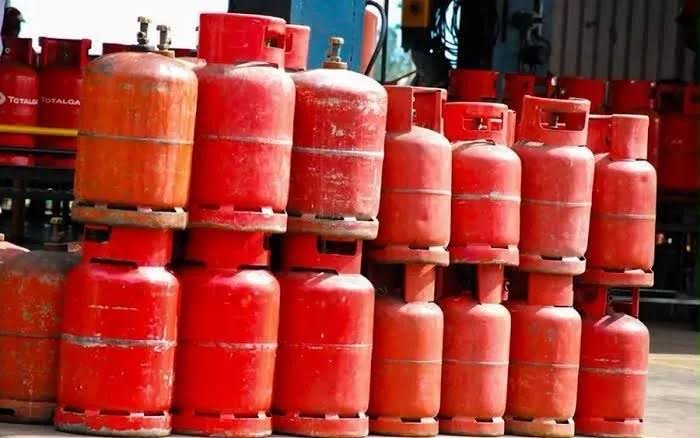
Residents in Osun have turned to alternative cooking methods following a sharp increase in the cost of Liquefied Petroleum Gas (LPG), commonly known as cooking gas.
Some residents, who spoke with reporters on Thursday in Osogbo, said they now rely on charcoal and firewood, as they can no longer afford the current price of about ₦2,000 per kilogram.
The rising cost of cooking gas has added financial strain to household budgets and negatively affected local businesses.
Mrs. Rukayat Abiola, a fast-food vendor at Owode-Ede Market, said the surge in gas prices has significantly increased her operating costs.
According to Abiola, she and other food vendors have had to raise menu prices slightly to stay in business. She now supplements her cooking with charcoal and firewood to cut expenses.
She called on the Federal Government to address the situation and find lasting solutions to the persistent price hikes.
Similarly, Mrs. Folasade Adebayo, a resident of Owode-Ede, expressed frustration over the rising costs, comparing refilling a gas cylinder to paying school fees.
Adebayo said she has switched to using a coal pot for cooking.
“From ₦1,400 to ₦2,000 per kilogram, how do they expect us to survive?” she asked.
Mrs. Juliet Adeosun, a housewife in Osogbo, also lamented how the price increase affects her family’s budget.
“Things are very expensive. We plan our spending based on my husband’s salary as a civil servant. The rising gas prices are affecting other essentials. If prices don’t drop, we’ll switch to a coal pot at the end of the month,” she said.
Another resident, Mrs. Foluke Olugbemiga, a petty trader, said she has reverted to using firewood.
“The high cost of kerosene made us stop using it years ago, and we switched to gas. Now that gas is unaffordable, we have no choice but to return to firewood,” she explained.
Gas retailers in Osun attributed the price hike to supply shortages.
Mr. Dayo Efunkunle, a retailer in Dada Estate, said gas is now sold at about ₦2,150 per kilogram.
He linked the increase to higher depot prices, supply fluctuations, and rising logistics costs, noting that retailers had to adjust prices to stay in business.
Efunkunle urged the Federal Government to implement measures to stabilize prices and make cooking gas more affordable.
Another retailer, Mr. Kunle Ibiyemi, called for policies to boost local gas production, improve distribution, and address factors behind frequent price increases.
Ibiyemi warned that continued hikes could push households to abandon cleaner fuels for firewood and charcoal.
He emphasized that the high retail prices are driven by supply shortages, not profiteering.
