

• Home
  • Agric
  • Sci & Tech
  • Health
  • Environment
  • Hausa News
  • More
    • Business/Banking & Finance
    • POLITICS
    • Entertainments & Sports
    • International
    • Investigation
    • Law & Human Rights
    • Africa
    • ACCOUNTABILITY/CORRUPTION
    • Hassan Gimba
    • Column
    • Prof. Jibrin Ibrahim
    • Prof. M.K. Othman
    • Defense/Security
    • Education
    • Energy/Electricity
    • Entertainment/Arts & Sports
    • Society and Lifestyle
    • Food & Agriculture
    • Health & Healthy Living
    • International News
    • Interviews
    • Investigation/Fact-Check
    • LAW & HUMAN RIGHTS
    • Oil & Gas/Mineral Resources
    • PRESS FREEDOM/JOURNALISM/PR
    • General News
    • Presidency
  • About Us
    • Contact Us
    • Board Of Advisory
    • Privacy Policy
    • Ethics Policy
    • Teamwork And Collaboration Policy
    • Fact-Checking Policy
    • Advertising
  • Media OutReach Newswire
    • Wire News
  • The Stories
Facebook Twitter Instagram
Trending
  • Two Straits, One Storm: Yemen, Iran, and the Unfinished Arithmetic of Adventurism
  • Gynaecologist seeks stronger primary healthcare to cut maternal deaths
  • Beyond the dance: Lessons from Osun 2026 for Nigeria 2027, by Prof. M.K. Othman
  • Bwari riders decry motorcycle theft, seizures
  • SDNON felicitates with member over appointment as head of media directorate for Delta NDC guber campaign
  • States spend N35bn on flood, erosion control
  • Of caps, marabouts and politics of envy, by Hassan Gimba
  • FG scraps data charges for students on approved educational platforms
Facebook Twitter Instagram YouTube
AsheNewsAsheNews
  • Home
  • Agric

    Who is policing the poison in Nigeria’s food chain?

    September 12, 2026

    NASC, PIND sign seed partnership

    September 12, 2026

    Women farmers call for investment in value-added agriculture

    September 11, 2026

    Women farmers laud SAA rice program in Jigawa

    September 11, 2026

    Poultry industry key to food security, jobs – PAN official

    September 10, 2026
  • Sci & Tech

    Nigeria urged to mainstream election tech

    September 11, 2026

    Biotech key to Nigeria’s food security, experts say

    September 10, 2026

    Australia to let users switch off social media algorithms

    September 9, 2026

    Africa contributes less than 1% of dementia research despite projected 348% rise in West Africa – Maina

    September 9, 2026

    Nigeria must stop consuming foreign neuroscience knowledge, NSN president says

    September 9, 2026
  • Health

    Gynaecologist seeks stronger primary healthcare to cut maternal deaths

    September 13, 2026

    BRICON urges cancer survivors to embrace life

    September 13, 2026

    Doctor urges Nigerians to prevent illness

    September 12, 2026

    Kaduna begins diphtheria vaccination

    September 12, 2026

    JDPCI calls for disability inclusion

    September 12, 2026
  • Environment

    Bwari riders decry motorcycle theft, seizures

    September 13, 2026

    States spend N35bn on flood, erosion control

    September 13, 2026

    Lagos moves beyond dumpsites

    September 12, 2026

    LASCOPA, NDLEA partner on drug abuse

    September 12, 2026

    RDI urges action to save Okun Alfa

    September 12, 2026
  • Hausa News

    UNA signs MoU to launch air Bissau in Guinea-Bissau

    June 15, 2026

    Otti plans 250-room 5-star hotel in Umuahia

    April 11, 2026

    Anti-quackery task force seals 4 fake hospitals in Rivers

    August 29, 2025

    [BIDIYO] Yadda na lashe gasa ta duniya a fannin Ingilishi – Rukayya ‘yar shekara 17

    August 6, 2025

    A Saka Baki, A Sasanta Saɓani Tsakanin ‘Yanjarida Da Liman, Daga Muhammad Sajo

    May 21, 2025
  • More
    1. Business/Banking & Finance
    2. POLITICS
    3. Entertainments & Sports
    4. International
    5. Investigation
    6. Law & Human Rights
    7. Africa
    8. ACCOUNTABILITY/CORRUPTION
    9. Hassan Gimba
    10. Column
    11. Prof. Jibrin Ibrahim
    12. Prof. M.K. Othman
    13. Defense/Security
    14. Education
    15. Energy/Electricity
    16. Entertainment/Arts & Sports
    17. Society and Lifestyle
    18. Food & Agriculture
    19. Health & Healthy Living
    20. International News
    21. Interviews
    22. Investigation/Fact-Check
    23. LAW & HUMAN RIGHTS
    24. Oil & Gas/Mineral Resources
    25. PRESS FREEDOM/JOURNALISM/PR
    26. General News
    27. Presidency
    Featured
    Recent

    Two Straits, One Storm: Yemen, Iran, and the Unfinished Arithmetic of Adventurism

    September 13, 2026

    Gynaecologist seeks stronger primary healthcare to cut maternal deaths

    September 13, 2026

    Beyond the dance: Lessons from Osun 2026 for Nigeria 2027, by Prof. M.K. Othman

    September 13, 2026
  • About Us
    1. Contact Us
    2. Board Of Advisory
    3. Privacy Policy
    4. Ethics Policy
    5. Teamwork And Collaboration Policy
    6. Fact-Checking Policy
    7. Advertising
    Featured
    Recent

    Two Straits, One Storm: Yemen, Iran, and the Unfinished Arithmetic of Adventurism

    September 13, 2026

    Gynaecologist seeks stronger primary healthcare to cut maternal deaths

    September 13, 2026

    Beyond the dance: Lessons from Osun 2026 for Nigeria 2027, by Prof. M.K. Othman

    September 13, 2026
  • Media OutReach Newswire
    • Wire News
  • The Stories
AsheNewsAsheNews
Home»Food & Agriculture»Nigeria bets on Danish cattle to transform dairy sector
Food & Agriculture

Nigeria bets on Danish cattle to transform dairy sector

EditorBy EditorJune 4, 2025Updated:June 4, 2025No Comments3 Mins Read
Share
Facebook Twitter LinkedIn Pinterest Email

Nigeria has embarked on an ambitious project to import Danish dairy cattle, with plans to double the nation’s milk production over the next five years. This strategic move comes in response to the growing demand for milk and dairy products in Nigeria, where local production has historically struggled to keep pace with needs.

Nigeria, Africa’s most populous country, has seen a surge in population and urbanization, leading to increased consumption of dairy products. However, despite having vast agricultural potential, the nation has been heavily reliant on imported dairy products to satisfy its needs. In light of this, the Nigerian government recognized the urgent need to develop a sustainable local dairy industry that could meet domestic demands while creating jobs and fostering economic growth.

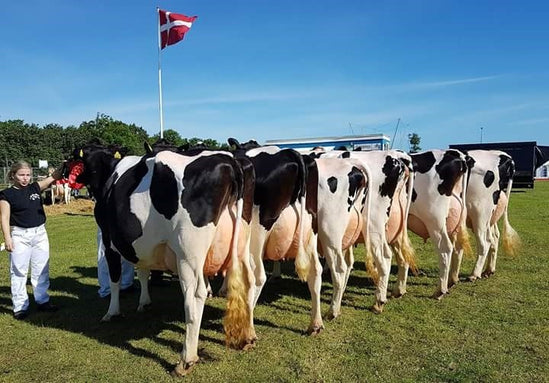
To achieve this goal, Nigerian agricultural officials turned their attention to Denmark, known for its advanced dairy farming practices and high-quality livestock. Danish Holstein cattle, renowned for their high milk yield and adaptability, were identified as the ideal breed for Nigeria’s diverse climate conditions.

In collaboration with Danish agricultural experts and livestock breeders, Nigeria has begun the importation of thousands of these prized cows. The initiative not only focuses on quantity but also emphasizes quality—by introducing superior genetics, Nigerian farmers are expected to achieve significant increases in milk yield per cow.

To ensure the success of this program, a key component involves extensive training for local farmers. Workshops and seminars conducted by Danish experts are being held across rural communities to educate farmers on modern dairy farming techniques, animal husbandry, and sustainable practices. This capacity building aims to empower local farmers, increase productivity, and ultimately improve livelihoods.

The importation of Danish dairy cattle is projected to have a profound impact on the Nigerian economy. With the anticipated doubling of milk production, the country is expected to reduce its dependence on foreign dairy products, saving valuable foreign exchange. Additionally, the initiative is forecasted to create thousands of jobs in farming, processing, and distribution sectors, particularly in rural areas where unemployment rates are high.

The initiative also prioritizes environmental sustainability. Danish farming practices are recognized for their commitment to environmentally friendly methods. By adapting these practices, Nigeria aims to develop a dairy industry that respects ecological balance while meeting the growing demand for dairy products.

The project has garnered enthusiasm among local farmers and communities. “This is a game-changer for us,” says Fatima Abubakar, a dairy farmer in Kaduna State. “With the new cattle and the training we receive, we can finally produce enough milk to support our families and contribute to our local economy.”

As Nigeria embarks on this journey, the government has set ambitious targets. By 2028, officials aim for the country to be self-sufficient in dairy production, with plans to export surplus products to neighboring countries. The collaboration with Denmark is just the beginning; more partnerships with international agricultural bodies are being explored to further enhance the capacity of Nigeria’s dairy industry.

In conclusion, Nigeria’s importation of Danish dairy cattle marks a significant step toward transforming its dairy sector. With a focus on quality, sustainability, and education, this initiative holds the promise not only of improved milk production but also of a brighter economic future for the nation’s farmers and communities.

Dairy production Danish cattle
Share. Facebook Twitter Pinterest LinkedIn WhatsApp Reddit Tumblr Email
Editor
  • Website

Related Posts

Who is policing the poison in Nigeria’s food chain?

September 12, 2026

NASC, PIND sign seed partnership

September 12, 2026

Women farmers call for investment in value-added agriculture

September 11, 2026

Leave A Reply Cancel Reply

Two Straits, One Storm: Yemen, Iran, and the Unfinished Arithmetic of Adventurism

September 13, 2026

Gynaecologist seeks stronger primary healthcare to cut maternal deaths

September 13, 2026

Beyond the dance: Lessons from Osun 2026 for Nigeria 2027, by Prof. M.K. Othman

September 13, 2026

Bwari riders decry motorcycle theft, seizures

September 13, 2026
About Us
About Us

ASHENEWS (AsheNewsDaily.com), published by PenPlus Online Media Publishers, is an independent online newspaper. We report development news, especially on Agriculture, Science, Health and Environment as they affect the under-reported rural and urban poor.

We also conduct investigations, especially in the areas of ASHE, as well as other general interests, including corruption, human rights, illicit financial flows, and politics.

Contact Info:
  • 1st floor, Dogon Daji House, No. 5, Maiduguri Road, Sokoto
  • +234(0)7031140009
  • ashenewsdaily@gmail.com
Facebook Twitter Instagram Pinterest
© 2026 All Rights Reserved. ASHENEWS Daily Designed & Managed By DeedsTech

Type above and press Enter to search. Press Esc to cancel.