

• Home
  • Agric
  • Sci & Tech
  • Health
  • Environment
  • Hausa News
  • More
    • Business/Banking & Finance
    • Politics/Elections
    • Entertainments & Sports
    • International
    • Investigation
    • Law & Human Rights
    • Africa
    • ACCOUNTABILITY/CORRUPTION
    • Hassan Gimba
    • Column
    • Prof. Jibrin Ibrahim
    • Prof. M.K. Othman
    • Defense/Security
    • Education
    • Energy/Electricity
    • Entertainment/Arts & Sports
    • Society and Lifestyle
    • Food & Agriculture
    • Health & Healthy Living
    • International News
    • Interviews
    • Investigation/Fact-Check
    • Judiciary/Legislature/Law & Human Rights
    • Oil & Gas/Mineral Resources
    • Press Freedom/Media/PR/Journalism
    • General News
    • Presidency
  • About Us
    • Contact Us
    • Board Of Advisory
    • Privacy Policy
    • Ethics Policy
    • Teamwork And Collaboration Policy
    • Fact-Checking Policy
    • Advertising
  • Media OutReach Newswire
    • Wire News
  • The Stories
Facebook Twitter Instagram
Trending
  • Report: Nigeria’s military spending jumps 55% to $2.1bn amid worsening insecurity
  • Dollar dips ahead of Fed meeting as Middle East signals shift; outlook mixed for Nigeria
  • CTV audience grows over 300% to 8m viewers on GOtv
  • Yobe council approves N59.8bn for project, infrastructure
  • Oluremi reaffirms govt commitment to women’s empowerment
  • Bianca urges envoys to advance Nigeria’s interests via 4Ds
  • Gov. Bassey Otu urges journalists to uphold truth, professionalism
  • U.S. revives GSM-102 credit scheme to deepen agricultural trade with Nigeria
Facebook Twitter Instagram YouTube
AsheNewsAsheNews
  • Home
  • Agric

    U.S. revives GSM-102 credit scheme to deepen agricultural trade with Nigeria

    April 27, 2026

    Poultry farmers seek increased financing to boost production

    April 27, 2026

    Malnutrition: FG rolls out community food bank programme in Northeast

    April 27, 2026

    Yam prices surge across Lagos markets

    April 26, 2026

    Croc-City 2026: Kaduna targets hunger with strategy, not rhetoric

    April 26, 2026
  • Sci & Tech

    Nigeria needs unified cybersecurity – Expert warns

    April 27, 2026

    MTN Nigeria backs youth platform with over N45m

    April 27, 2026

    PalmPay CEO flags trust issues in digital payments

    April 25, 2026

    Meta to cut 10% of workforce amid AI push

    April 25, 2026

    China’s AI boom accelerates with DeepSeek’s new model

    April 25, 2026
  • Health

    Oluremi reaffirms govt commitment to women’s empowerment

    April 27, 2026

    GAC, UNICEF donate 45 motorcycles to boost Bauchi immunisation drive

    April 27, 2026

    Akwa Ibom activates heightened COVID-19 surveillance

    April 27, 2026

    NGO urges Rivers govt to boost Etche

    April 26, 2026

    WHO urges renewed commitment to immunisation

    April 26, 2026
  • Environment

    CTV audience grows over 300% to 8m viewers on GOtv

    April 27, 2026

    Yobe council approves N59.8bn for project, infrastructure

    April 27, 2026

    Rainstorm damages homes, school in Kaduna

    April 27, 2026

    LASTMA to launch free short code for traffic reports

    April 27, 2026

    LASEMA averts casualties in truck accident at Daleko bridge, Isolo

    April 27, 2026
  • Hausa News

    Otti plans 250-room 5-star hotel in Umuahia

    April 11, 2026

    Anti-quackery task force seals 4 fake hospitals in Rivers

    August 29, 2025

    [BIDIYO] Yadda na lashe gasa ta duniya a fannin Ingilishi – Rukayya ‘yar shekara 17

    August 6, 2025

    A Saka Baki, A Sasanta Saɓani Tsakanin ‘Yanjarida Da Liman, Daga Muhammad Sajo

    May 21, 2025

    Dan majalisa ya raba kayan miliyoyi a Funtuwa da Dandume

    March 18, 2025
  • More
    1. Business/Banking & Finance
    2. Politics/Elections
    3. Entertainments & Sports
    4. International
    5. Investigation
    6. Law & Human Rights
    7. Africa
    8. ACCOUNTABILITY/CORRUPTION
    9. Hassan Gimba
    10. Column
    11. Prof. Jibrin Ibrahim
    12. Prof. M.K. Othman
    13. Defense/Security
    14. Education
    15. Energy/Electricity
    16. Entertainment/Arts & Sports
    17. Society and Lifestyle
    18. Food & Agriculture
    19. Health & Healthy Living
    20. International News
    21. Interviews
    22. Investigation/Fact-Check
    23. Judiciary/Legislature/Law & Human Rights
    24. Oil & Gas/Mineral Resources
    25. Press Freedom/Media/PR/Journalism
    26. General News
    27. Presidency
    Featured
    Recent

    Report: Nigeria’s military spending jumps 55% to $2.1bn amid worsening insecurity

    April 27, 2026

    Dollar dips ahead of Fed meeting as Middle East signals shift; outlook mixed for Nigeria

    April 27, 2026

    CTV audience grows over 300% to 8m viewers on GOtv

    April 27, 2026
  • About Us
    1. Contact Us
    2. Board Of Advisory
    3. Privacy Policy
    4. Ethics Policy
    5. Teamwork And Collaboration Policy
    6. Fact-Checking Policy
    7. Advertising
    Featured
    Recent

    Report: Nigeria’s military spending jumps 55% to $2.1bn amid worsening insecurity

    April 27, 2026

    Dollar dips ahead of Fed meeting as Middle East signals shift; outlook mixed for Nigeria

    April 27, 2026

    CTV audience grows over 300% to 8m viewers on GOtv

    April 27, 2026
  • Media OutReach Newswire
    • Wire News
  • The Stories
AsheNewsAsheNews
Home»Food & Agriculture»Nigeria: A farewell to food security? By Salisu Dambatta
Food & Agriculture

Nigeria: A farewell to food security? By Salisu Dambatta

Nigeria: A farewell to food security? By Salisu Dambatta
Abdallah el-KurebeBy Abdallah el-KurebeOctober 22, 2023Updated:October 23, 2023No Comments4 Mins Read
Share
Facebook Twitter LinkedIn Pinterest Email

When a friend read the list of agriculture-related products among the 43 items that can be imported using the country’s meagre foreign reserves, he quipped, “Nigeria bade farewell to national food security.”

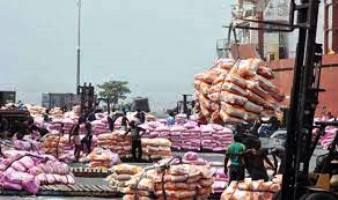
Just for context, the food items which Nigeria does not have to import but foreign exchange at CBN rates would be allotted for their importation are rice, margarine, palm kernel and palm oil products, vegetable oils, raw and processed meat products, vegetables and processed vegetable products, poultry, chicken eggs, turkey, tinned fish, tomatoes, tomato paste and Maize.

Many fear that opening the foreign reserve chest to finance the importation of these items will erase the morale of domestic rice farmers, retard the general gains made in agricultural activities in recent years, eliminate jobs and deplete the country’s meager foreign exchange.

In view of the huge investment made on rice production and processing in-country, the impact of the decision would hit rice farmers, millers and all those in its long value chain, hardest.

Nigerian and foreign investors who spent over USD3.4 billion establishing nearly 100 integrated rice processing mills, will feel let down if Nigeria is flooded with imported rice. With their efforts, Nigeria has reportedly met over 90 per cent demand for processed rice. They have also made Nigeria Africa’s number one paddy and processed rice producer. This huge contribution to food security could be lost.

A Statista report says that “the quantity of milled rice produced in Nigeria in 2022 was 5.4 million metric tons. Between 2010 and 2021, milled rice production in the country generally increased. The largest growth in output was recorded in 2010, when the crop volume reached a 26 percent increase.”

The huge rice farms, large, small and micro and cottage rice processing mills, warehouses and fleet of freight trucks and all the thousands of jobs therein may become idle if imported rice pushed out the homegrown version off the market.

The Food and Agricultural Organization (FAO) said in a 2019 report that rice is the second most important staple food in Nigeria accounting for 10.5 percent of the average caloric intake, surpassed only by cassava and its products. For this reason, the rice eaten by Nigerians should be fresh, locally produced and free of preservatives.

Although more cassava, millet, sorghum, yam, potatoes and maize, all vital stables are produced in Nigeria than rice, its consumption cuts across the economic and social strata of the society. That is why whenever its price goes up, the media reflects popular outcry.

It is certain that producers and processors in other agro-allied industries, such as vegetable and palm oil millers will equally feel the negative impact of the policy.

Banks will now be reluctant to give facilities to farmers in the agro sector, while cash-rich investors looking at agricultural production to invest will think twice before risking their capital to expand the production of say, wheat, maize and industrial sorghum, as policy makers may suddenly change the rules by preferring imported stuff.

To be candid, both wet and dry season wheat farmers in Kano, Jigawa, Kaduna and one or two other wheat producing states suffered huge loses last year because the uptaker supplied inputs were low-grade. Yield was low and the quality of the products by far below par.

In its May 28, 2023 edition, the Daily Trust newspaper quoted a wheat farmer in Karfi town of Kura Local Government Area in Kano State, Bello Muhammad said, “In our village, only four of us out of over 1,000 farmers got more than 100 sacks of wheat (in the 2022/2024) this season. This is unlike before when we used to have 900 people getting over 120 sacks in three to four hectares of farmland.”

The newspaper was told by farmer Usaini Umar of Hadejia Local Government Area of Jigawa State that majority of wheat farmers in Chiromawa village made loses. Only a few of them made profit. Himself got 22 sacks in his farm last year (2021/2022 season), but this time around (2022/23 season), he ended with only four bags.

In the current dry season, the Federal Government has announced a decision to cultivate wheat on 70,000 hectares in Jigawa state.

Putting the Anchor Borrowers Programme in abeyance, regardless of its flaws, will certainly deprive genuine farmers of critical financial support. Hundreds of agricultural households will have no money to pay for agro-inputs, farm labour or basic items like certified seeds and seedlings.

The assurance by the All Farmers Association of Nigeria (AFAN), Sokoto Chapter, to President Bola Tinubu, to avert the threatened food security with the commencement of dry season cultivation of different crops is good, but the financial support required to effectively do that is uncertain.

FAO Food security Nigeria
Share. Facebook Twitter Pinterest LinkedIn WhatsApp Reddit Tumblr Email
Abdallah el-Kurebe
  • Website
  • Facebook
  • Twitter
  • LinkedIn

Related Posts

U.S. revives GSM-102 credit scheme to deepen agricultural trade with Nigeria

April 27, 2026

Poultry farmers seek increased financing to boost production

April 27, 2026

Malnutrition: FG rolls out community food bank programme in Northeast

April 27, 2026

Leave A Reply Cancel Reply

Report: Nigeria’s military spending jumps 55% to $2.1bn amid worsening insecurity

April 27, 2026

Dollar dips ahead of Fed meeting as Middle East signals shift; outlook mixed for Nigeria

April 27, 2026

CTV audience grows over 300% to 8m viewers on GOtv

April 27, 2026

Yobe council approves N59.8bn for project, infrastructure

April 27, 2026
About Us
About Us

ASHENEWS (AsheNewsDaily.com), published by PenPlus Online Media Publishers, is an independent online newspaper. We report development news, especially on Agriculture, Science, Health and Environment as they affect the under-reported rural and urban poor.

We also conduct investigations, especially in the areas of ASHE, as well as other general interests, including corruption, human rights, illicit financial flows, and politics.

Contact Info:
  • 1st floor, Dogon Daji House, No. 5, Maiduguri Road, Sokoto
  • +234(0)7031140009
  • ashenewsdaily@gmail.com
Facebook Twitter Instagram Pinterest
© 2026 All Rights Reserved. ASHENEWS Daily Designed & Managed By DeedsTech

Type above and press Enter to search. Press Esc to cancel.