

• Home
  • Agric
  • Sci & Tech
  • Health
  • Environment
  • Hausa News
  • More
    • Business/Banking & Finance
    • POLITICS
    • Entertainments & Sports
    • International
    • Investigation
    • Law & Human Rights
    • Africa
    • ACCOUNTABILITY/CORRUPTION
    • Hassan Gimba
    • Column
    • Prof. Jibrin Ibrahim
    • Prof. M.K. Othman
    • Defense/Security
    • Education
    • Energy/Electricity
    • Entertainment/Arts & Sports
    • Society and Lifestyle
    • Food & Agriculture
    • Health & Healthy Living
    • International News
    • Interviews
    • Investigation/Fact-Check
    • LAW & HUMAN RIGHTS
    • Oil & Gas/Mineral Resources
    • PRESS FREEDOM/JOURNALISM/PR
    • General News
    • Presidency
  • About Us
    • Contact Us
    • Board Of Advisory
    • Privacy Policy
    • Ethics Policy
    • Teamwork And Collaboration Policy
    • Fact-Checking Policy
    • Advertising
  • Media OutReach Newswire
    • Wire News
  • The Stories
Facebook Twitter Instagram
Trending
  • Despite tight monetary policy, Nigeria’s broad money supply climbs to N129.21trn in May
  • Nigerians keep N5.19trn outside banks despite cashless drive
  • Santuscom’s fertilizer to improve soil, crops
  • DSN CEO: Data classification key to Nigeria’s data sovereignty
  • Nigeria’s national metering rate rises to 57%
  • Lagos to increase investment in tech, innovation
  • Fulani group urges herders to support security efforts, expose criminals in Southwest
  • Nigeria’s local petrol production hits 48m litres daily
Facebook Twitter Instagram YouTube
AsheNewsAsheNews
  • Home
  • Agric

    Santuscom’s fertilizer to improve soil, crops

    June 23, 2026

    Nigeria’s neem advantage: Unlocking a strategic bioeconomy industry for climate, agriculture and industrial growth, Dr Fakunle Aremu

    June 22, 2026

    AFAN predicts drop in food prices after fertiliser distribution

    June 22, 2026

    Northern Nigeria’s poultry economy: Unlocking a multi-billion dollar investment opportunity across the value chain, By Dr. Fakunle Aremu

    June 19, 2026

    Association trains farmers on agroforestry, carbon opportunities

    June 18, 2026
  • Sci & Tech

    DSN CEO: Data classification key to Nigeria’s data sovereignty

    June 23, 2026

    Lagos to increase investment in tech, innovation

    June 23, 2026

    ALTON supports CBN’s local data hosting mandate

    June 20, 2026

    NDPC seeks INEC data records over breach allegations

    June 20, 2026

    SGF urges Galaxy Backbone to boost cybersecurity, broadband

    June 20, 2026
  • Health

    RCCG freedom court parish holds community cleanup for 18th anniversary

    June 23, 2026

    NAFDAC holds workshop on medicine safety in Karu

    June 22, 2026

    Expert urges focused use of N10bn for Ebola preparedness

    June 22, 2026

    From Sokoto to Bulgaria: Dr. Dange’s mission to transform pediatric care

    June 21, 2026

    Nigeria’s Fathers face silent mental health crisis

    June 21, 2026
  • Environment

    Nigeria’s national metering rate rises to 57%

    June 23, 2026

    Nigeria’s local petrol production hits 48m litres daily

    June 23, 2026

    Lagos joins global under2 climate coalition

    June 23, 2026

    FAAN considers extending airport taxi upgrade deadline to October

    June 23, 2026

    Floods, Windstorm devastate Ebonyi farmlands, shops

    June 22, 2026
  • Hausa News

    UNA signs MoU to launch air Bissau in Guinea-Bissau

    June 15, 2026

    Otti plans 250-room 5-star hotel in Umuahia

    April 11, 2026

    Anti-quackery task force seals 4 fake hospitals in Rivers

    August 29, 2025

    [BIDIYO] Yadda na lashe gasa ta duniya a fannin Ingilishi – Rukayya ‘yar shekara 17

    August 6, 2025

    A Saka Baki, A Sasanta Saɓani Tsakanin ‘Yanjarida Da Liman, Daga Muhammad Sajo

    May 21, 2025
  • More
    1. Business/Banking & Finance
    2. POLITICS
    3. Entertainments & Sports
    4. International
    5. Investigation
    6. Law & Human Rights
    7. Africa
    8. ACCOUNTABILITY/CORRUPTION
    9. Hassan Gimba
    10. Column
    11. Prof. Jibrin Ibrahim
    12. Prof. M.K. Othman
    13. Defense/Security
    14. Education
    15. Energy/Electricity
    16. Entertainment/Arts & Sports
    17. Society and Lifestyle
    18. Food & Agriculture
    19. Health & Healthy Living
    20. International News
    21. Interviews
    22. Investigation/Fact-Check
    23. LAW & HUMAN RIGHTS
    24. Oil & Gas/Mineral Resources
    25. PRESS FREEDOM/JOURNALISM/PR
    26. General News
    27. Presidency
    Featured
    Recent

    Despite tight monetary policy, Nigeria’s broad money supply climbs to N129.21trn in May

    June 23, 2026

    Nigerians keep N5.19trn outside banks despite cashless drive

    June 23, 2026

    Santuscom’s fertilizer to improve soil, crops

    June 23, 2026
  • About Us
    1. Contact Us
    2. Board Of Advisory
    3. Privacy Policy
    4. Ethics Policy
    5. Teamwork And Collaboration Policy
    6. Fact-Checking Policy
    7. Advertising
    Featured
    Recent

    Despite tight monetary policy, Nigeria’s broad money supply climbs to N129.21trn in May

    June 23, 2026

    Nigerians keep N5.19trn outside banks despite cashless drive

    June 23, 2026

    Santuscom’s fertilizer to improve soil, crops

    June 23, 2026
  • Media OutReach Newswire
    • Wire News
  • The Stories
AsheNewsAsheNews
Home»Food & Agriculture»Kaduna farmers dump food crops as fertilizer prices soar
Food & Agriculture

Kaduna farmers dump food crops as fertilizer prices soar

EditorBy EditorJuly 8, 2025Updated:July 8, 2025No Comments3 Mins Read
Share
Facebook Twitter LinkedIn Pinterest Email

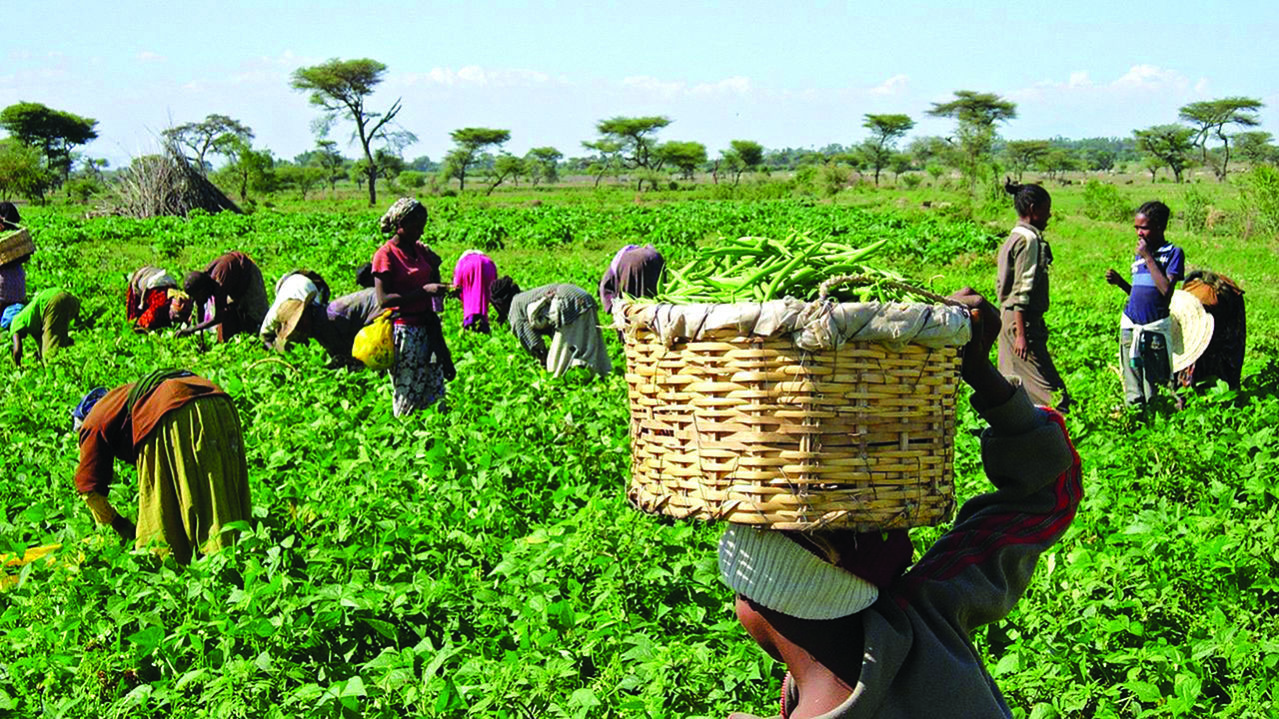
Farmers across many parts of Kaduna State are increasingly shifting from staple food crop cultivation to vegetable farming, driven by the high cost of fertilizer and other agricultural inputs.

A former Executive Director of the Institute for Agricultural Research, Ahmadu Bello University (ABU), Zaria, Professor Faguji Ishiyaku raised the concern in Zaria on Tuesday. He warned that the trend could threaten national food security if left unchecked.

Ishiyaku explained that with the continued rise in production costs, farmers had recognized early on that cultivating major crops like maize might no longer be profitable. This, he said, had prompted many to switch to crops such as pepper, chilli, soybean, and cowpea.

He noted that the change in cultivation patterns could make the country more dependent on imported grains, thereby putting pressure on both the economy and food supply.

According to him, a shortfall in grain production would likely drive up food prices next year. Many farmers, having abandoned staple crops, may also lack enough food for their own families.

He urged farmers to strike a balance between vegetable cultivation and staple crop production to reduce the growing food deficit in the country. He added that it was still not too late in the planting season to grow crops like maize, sorghum, and soybean.

A farmer in Zaria, Ahmed Abubakar confirmed the trend, saying farmers were now planting onions, chilli, pepper, okra, and other vegetables instead of maize, sorghum, and rice. He attributed this shift to the crash in crop prices at the commodities market, allegedly caused by grain imports.

He noted that a 100kg bag of maize currently sells for between N38,000 and N45,000, depending on the variety. In contrast, a 50kg bag of Granular Diammonium Phosphate (GDAP) fertilizer costs about N75,000—more than the market value of a full 100kg bag of maize, sorghum, or rice.

Abubakar said a 50kg bag of NPK 20:10:10 fertilizer now costs around N40,000, while NPK 15:15:15 sells for over N50,000. Urea is also priced at around N40,000. When other production costs such as herbicides and land preparation are added, the economic case for cultivating grains becomes weak.

He explained that a 100kg harvest of pepper or soybean could earn a farmer enough money to purchase two bags of fertilizer, making vegetable cultivation more attractive and economically viable.

Abubakar warned that this trend poses a serious threat to Nigeria’s food security agenda, especially as the country currently produces about 6.5 million tonnes of maize annually—falling short of the estimated national demand of 8 million tonnes.

He emphasized that Kaduna State is one of Nigeria’s top maize-producing regions, and the shift away from maize could deepen the existing production gap.

Abubakar cited advice from agricultural extension agents, who said farmers could still plant maize up until July 16, and transplant sorghum and rice between July 16 and July 31.

He appealed to all tiers of government to provide subsidised fertilizer and inputs to farmers to encourage continued production.

The Chairman of the All Farmers Association of Nigeria (AFAN), Kaduna State chapter, Nuhu Aminu also linked the widespread shift from food crops to vegetable farming to the soaring costs of inputs.

He added that the high cost of cultivation had discouraged some large-scale farmers from participating in this year’s planting season.

Aminu called for immediate action, stressing that it was not too late for peasant farmers to diversify their production and help reduce the risk of future food crises.

He also lamented that neither the federal nor the Kaduna State government had distributed fertilizer or inputs to farmers for the 2025 wet season farming.

Farmers Food crops Kaduna state
Share. Facebook Twitter Pinterest LinkedIn WhatsApp Reddit Tumblr Email
Editor
  • Website

Related Posts

Santuscom’s fertilizer to improve soil, crops

June 23, 2026

Nigeria’s neem advantage: Unlocking a strategic bioeconomy industry for climate, agriculture and industrial growth, Dr Fakunle Aremu

June 22, 2026

AFAN predicts drop in food prices after fertiliser distribution

June 22, 2026

Leave A Reply Cancel Reply

Despite tight monetary policy, Nigeria’s broad money supply climbs to N129.21trn in May

June 23, 2026

Nigerians keep N5.19trn outside banks despite cashless drive

June 23, 2026

Santuscom’s fertilizer to improve soil, crops

June 23, 2026

DSN CEO: Data classification key to Nigeria’s data sovereignty

June 23, 2026
About Us
About Us

ASHENEWS (AsheNewsDaily.com), published by PenPlus Online Media Publishers, is an independent online newspaper. We report development news, especially on Agriculture, Science, Health and Environment as they affect the under-reported rural and urban poor.

We also conduct investigations, especially in the areas of ASHE, as well as other general interests, including corruption, human rights, illicit financial flows, and politics.

Contact Info:
  • 1st floor, Dogon Daji House, No. 5, Maiduguri Road, Sokoto
  • +234(0)7031140009
  • ashenewsdaily@gmail.com
Facebook Twitter Instagram Pinterest
© 2026 All Rights Reserved. ASHENEWS Daily Designed & Managed By DeedsTech

Type above and press Enter to search. Press Esc to cancel.