


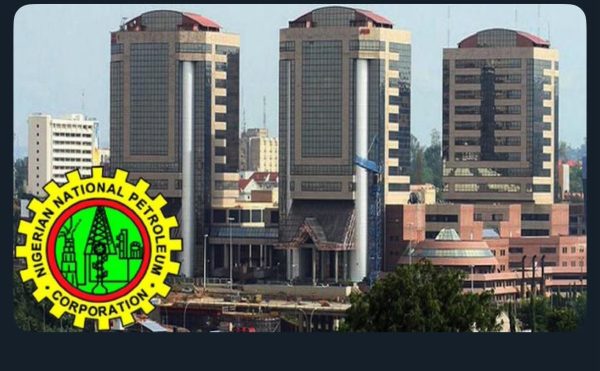
The Nigerian National Petroleum Company Limited (NNPC Ltd) has dismissed concerns over constraints in its gas transportation network, saying its infrastructure remains available to support gas deliveries to power generating stations nationwide.
In a statement issued on Friday by its Chief Corporate Communications Officer, Andy Odeh, the company said operational records of its subsidiary, NNPC Gas Infrastructure Company Limited (NGIC), showed no transportation-related constraints capable of explaining the recent decline in electricity generation.
NNPC said gas production volumes had grown by about 10 per cent year-to-date in 2026, adding that gas supply availability was not currently a challenge.
The clarification followed a statement by the Nigerian Independent System Operator (NISO) on November 5, which attributed lower electricity generation partly to limited gas availability and reduced water inflows to hydroelectric power stations.
NNPC, however, said the availability of its gas transportation network should be distinguished from gas production, commercial supply arrangements and actual deliveries to individual power plants.
The company said determining the causes of the generation shortfall would require an assessment of several factors, including the availability and operational readiness of generating units, plant maintenance schedules and actual gas offtake.
“Gas supplied” must therefore be assessed alongside the operational status of power plants to determine whether available gas is being effectively converted into electricity, the company said.
NNPC called for a coordinated review of operational data by gas suppliers, transporters, power generators and NISO to identify specific constraints and guide appropriate interventions.
The company said accurate reporting across the gas-to-power value chain was critical to resolving the challenges and maintaining public confidence.
“NNPC Limited remains focused on dependable energy infrastructure and constructive collaboration that helps translate Nigeria’s gas resources into more reliable electricity for Nigerians,” Odeh said.
