

• Home
  • Agric
  • Sci & Tech
  • Health
  • Environment
  • Hausa News
  • More
    • Business/Banking & Finance
    • Politics/Elections
    • Entertainments & Sports
    • International
    • Investigation
    • Law & Human Rights
    • Africa
    • ACCOUNTABILITY/CORRUPTION
    • Hassan Gimba
    • Column
    • Prof. Jibrin Ibrahim
    • Prof. M.K. Othman
    • Defense/Security
    • Education
    • Energy/Electricity
    • Entertainment/Arts & Sports
    • Society and Lifestyle
    • Food & Agriculture
    • Health & Healthy Living
    • International News
    • Interviews
    • Investigation/Fact-Check
    • Judiciary/Legislature/Law & Human Rights
    • Oil & Gas/Mineral Resources
    • Press Freedom/Media/PR/Journalism
    • General News
    • Presidency
  • About Us
    • Contact Us
    • Board Of Advisory
    • Privacy Policy
    • Ethics Policy
    • Teamwork And Collaboration Policy
    • Fact-Checking Policy
    • Advertising
  • Media OutReach Newswire
    • Wire News
  • The Stories
Facebook Twitter Instagram
Trending
  • Pantami withdraws from Gombe APC governorship primary, cites electoral violations
  • Wizkid becomes first African artist to surpass 11bn Spotify streams
  • AFCON 2026 Qualifiers: Nigeria to face Tanzania, Madagascar, Guinea-Bissau
  • Alleged N33.8bn fraud: EFCC arrests ex-power minister Mamman after sentencing
  • Trump suspends planned Iran strike following appeal by Gulf leaders
  • Nigerian govt moves to end illegal taxes by states, LGAs with new guidelines
  • Reading the CBN: Why the current cycle in Nigerian banking is not a shock, By Olayinka Onanguga
  • CBN to auction N650bn in treasury bills, sets May 20 deadline
Facebook Twitter Instagram YouTube
AsheNewsAsheNews
  • Home
  • Agric

    Herders abandon cattle after farm invasion in Abia

    May 18, 2026

    Association warns against consuming fungus-infested tomatoes

    May 17, 2026

    LIFE-ND trains farmers in basic bookkeeping

    May 15, 2026

    Lagos to launch food security hub in 2026

    May 15, 2026

    FG to use microchips for nationwide livestock identification

    May 15, 2026
  • Sci & Tech

    Kaduna state trains 4,000 students in vocational skills

    May 18, 2026

    Association commits to bridging tech gap, strengthening STEM partnerships

    May 14, 2026

    Lagos to establish cybersecurity operations centre

    May 13, 2026

    ECOWAS pushes information integrity

    May 13, 2026

    NSE urges engineers to join politics

    May 13, 2026
  • Health

    WHO urges calm as Ebola outbreak declared PHEIC

    May 19, 2026

    NYSC mandates NERD certificates for mobilisation

    May 18, 2026

    WHO warns of growing pandemic threats, preparedness gaps

    May 18, 2026

    Hypertension: The silent killer affecting millions across Nigeria

    May 18, 2026

    Nigeria’s HIV fight hindered by stigma, funding gaps

    May 18, 2026
  • Environment

    University of Abuja student wins 2026 Amnesty international intervarsity debate

    May 19, 2026

    NEMA holds flood preparedness campaign in Katsina

    May 19, 2026

    Niger Delta experts call for urgent environmental clean-up

    May 19, 2026

    NESREA seals Kano rice mill over environmental violations

    May 19, 2026

    Lagos targets 2,000MW embedded power supply

    May 18, 2026
  • Hausa News

    Otti plans 250-room 5-star hotel in Umuahia

    April 11, 2026

    Anti-quackery task force seals 4 fake hospitals in Rivers

    August 29, 2025

    [BIDIYO] Yadda na lashe gasa ta duniya a fannin Ingilishi – Rukayya ‘yar shekara 17

    August 6, 2025

    A Saka Baki, A Sasanta Saɓani Tsakanin ‘Yanjarida Da Liman, Daga Muhammad Sajo

    May 21, 2025

    Dan majalisa ya raba kayan miliyoyi a Funtuwa da Dandume

    March 18, 2025
  • More
    1. Business/Banking & Finance
    2. Politics/Elections
    3. Entertainments & Sports
    4. International
    5. Investigation
    6. Law & Human Rights
    7. Africa
    8. ACCOUNTABILITY/CORRUPTION
    9. Hassan Gimba
    10. Column
    11. Prof. Jibrin Ibrahim
    12. Prof. M.K. Othman
    13. Defense/Security
    14. Education
    15. Energy/Electricity
    16. Entertainment/Arts & Sports
    17. Society and Lifestyle
    18. Food & Agriculture
    19. Health & Healthy Living
    20. International News
    21. Interviews
    22. Investigation/Fact-Check
    23. Judiciary/Legislature/Law & Human Rights
    24. Oil & Gas/Mineral Resources
    25. Press Freedom/Media/PR/Journalism
    26. General News
    27. Presidency
    Featured
    Recent

    Pantami withdraws from Gombe APC governorship primary, cites electoral violations

    May 19, 2026

    Wizkid becomes first African artist to surpass 11bn Spotify streams

    May 19, 2026

    AFCON 2026 Qualifiers: Nigeria to face Tanzania, Madagascar, Guinea-Bissau

    May 19, 2026
  • About Us
    1. Contact Us
    2. Board Of Advisory
    3. Privacy Policy
    4. Ethics Policy
    5. Teamwork And Collaboration Policy
    6. Fact-Checking Policy
    7. Advertising
    Featured
    Recent

    Pantami withdraws from Gombe APC governorship primary, cites electoral violations

    May 19, 2026

    Wizkid becomes first African artist to surpass 11bn Spotify streams

    May 19, 2026

    AFCON 2026 Qualifiers: Nigeria to face Tanzania, Madagascar, Guinea-Bissau

    May 19, 2026
  • Media OutReach Newswire
    • Wire News
  • The Stories
AsheNewsAsheNews
Home»Food & Agriculture»Butchers, customers struggle with soaring prices of meat in Sokoto
Food & Agriculture

Butchers, customers struggle with soaring prices of meat in Sokoto

Sokoto State's butchers and residents are grappling with rising meat costs, driven by higher livestock prices at local abattoirs. Butchers adapt by selling suya to manage stock and maintain profits, while customers face increased expenses for their daily staples.
NewsdeskBy NewsdeskJune 18, 2024Updated:June 18, 2024No Comments5 Mins Read
Butchers
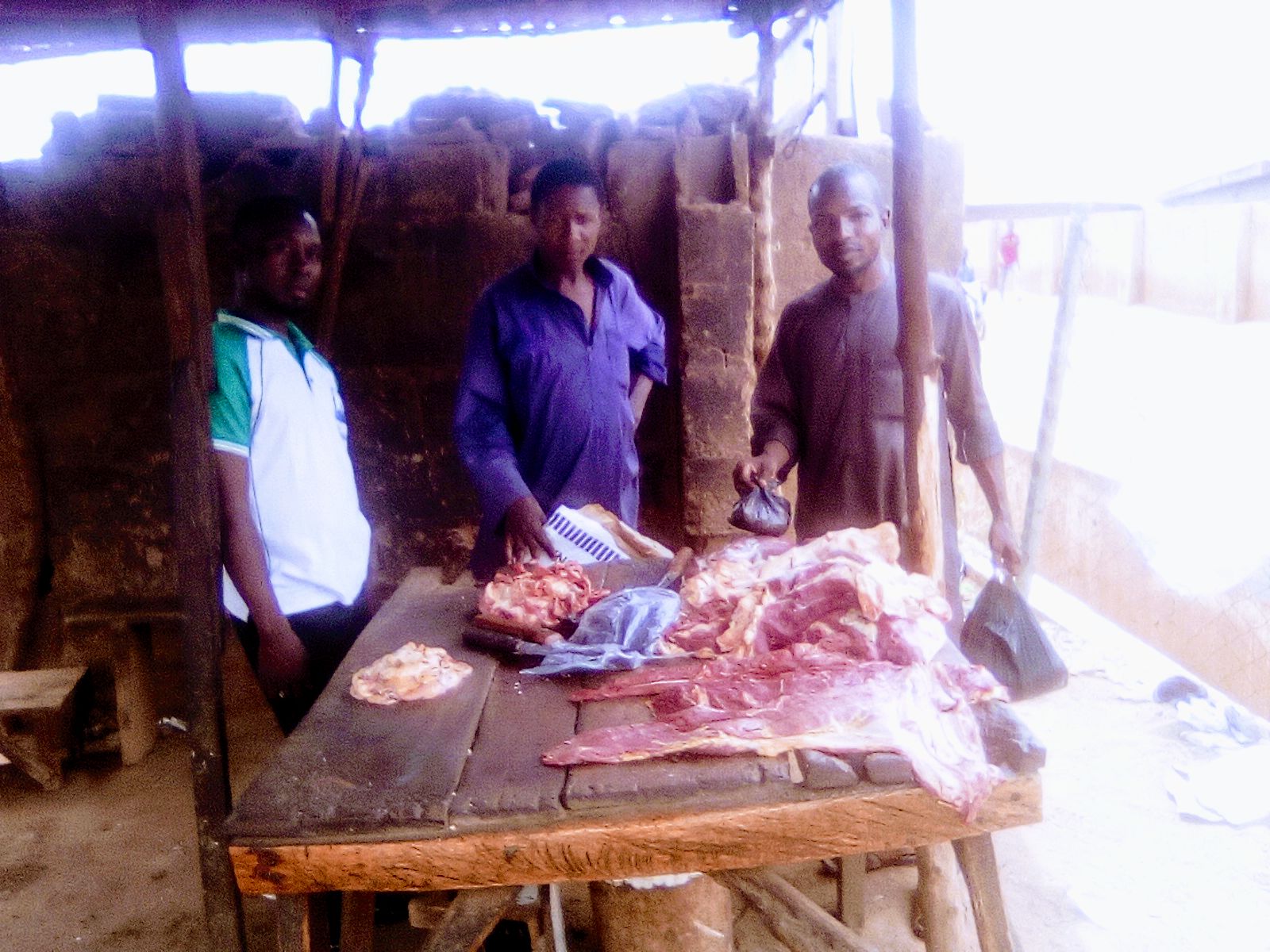
A butcher and his customers
Share
Facebook Twitter LinkedIn Pinterest Email

The abattoirs of Sokoto State are witnessing a crisis that is deeply affecting both local meat sellers and their customers. The rising cost of livestock is forcing butchers to find creative ways to manage their businesses while customers grapple with skyrocketing prices, making it harder to afford daily staples.

The butchers’ struggle: coping with higher costs

For the butchers of Sokoto, each day brings new challenges. Meat prices at the abattoirs have surged, impacting their ability to sell at affordable rates. Sellers like Mr Shehu Mori, who operates by the roadside opposite Dogon Daji House, are at the forefront of this struggle.

“I source my meat from the Sokoto abattoir and begin selling at 10 am daily,” Mori explained. “Households and passersby rely on us for their meat. But the current prices are driving customers away. It’s disheartening.”

Mori’s plight is shared by many in Sokoto. The increased cost of cows, goats, and rams means higher selling prices, which customers often cannot afford. Some butchers, like Mori, have adapted by diversifying their sales – turning unsold meat into suya, a popular grilled meat, to avoid spoilage and attract evening buyers.

Preserving profits: The suya strategy

In a small stall on Offa Road, Mr Mubarak Maigoma has found a way to navigate the fluctuating meat market. “I buy meat from the central market abattoir in the morning to sell raw,” he said. “In the evening, I switch to selling suya to prevent the meat from spoiling. If there is electricity, I use a refrigerator to keep it fresh.”

Maigoma’s adaptive approach reflects a broader trend among Sokoto’s butchers, who are increasingly turning to suya to preserve their stock and maintain profitability. The shift from raw meat to suya is not just a survival tactic but also a response to the community’s demand for affordable and readily available food options.

The economics of meat: A delicate balance

Mr. Umar Abdullahi, a butcher on Goronyo Road, provides a detailed glimpse into the financial challenges faced by meat sellers. “I buy my rams from the modern market and take them to the abattoir for slaughtering. Selling small pieces of meat is more costly. A full ram costs about N90,000, but smaller portions can go for N45,000 to N50,000. After selling the meat, I might make a profit of just N10,000 to N15,000.”

Abdullahi prefers selling suya over raw meat, as it offers better margins. “When I buy a whole ram, I sell it as suya because it is more profitable. Last year, I could buy a full ram for N75,000 and make a good profit. Now, with higher prices, my customers complain about the portions being too small. They used to thank me for my generous cuts, but not anymore.”

Customers’ plight: The rising cost of a staple

For Sokoto’s residents, the rising cost of meat is hitting hard. Regular customers like Mr. Abubakar Ismail are feeling the pinch. “The meat I used to buy for N500 now costs N1000,” he said. “Even N500 worth of meat isn’t enough for a decent meal anymore. Despite the cost, I continue to buy from Mr Mubarak because he treats me well and is always friendly”, he told ASHENEWS.
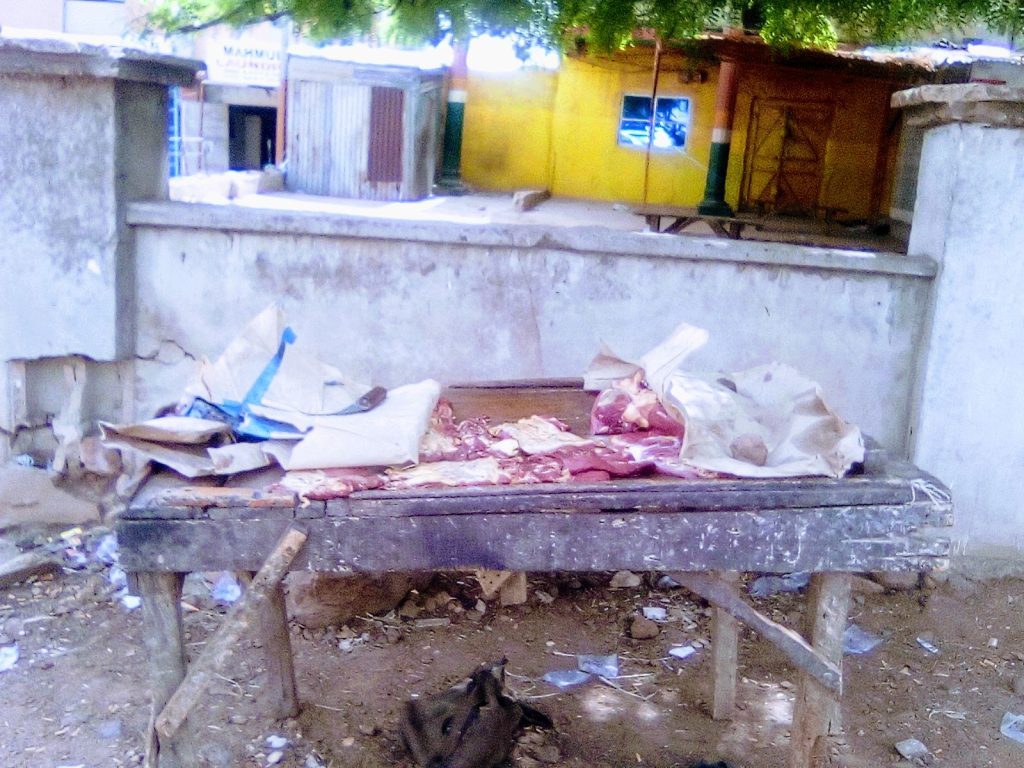
Similarly, Mr. Shansu Bello, who buys suya daily for his family because they love it, has seen his expenses soar. “Every day, I park my car after work and buy suya of N3000 for my kids and wives. But since prices have gone up, N3000 worth of suya isn’t enough anymore, so I started buying N7000 to N8000 worth of suya daily.

“It is really affecting my finances, but I can’t stop now because my children are used to it. When I come home in the evening and get out of the car, they come to greet me and look for the suya. When they see it, they start laughing and thanking me”, he bemoaned.

The broader implications: Health and nutrition at risk

The impact of rising meat prices goes beyond economic strain. It also affects nutritional standards and public health. Wasiu Afolabi, president of the Nutrition Society of Nigeria, highlights the long-term consequences.

“The soaring costs of protein-rich foods could persist if agricultural productivity continues to be hindered by insecurity,” he told BusinessDay. “People are shifting from nutritious diets to whatever they can afford, which compromises their immunity and increases their vulnerability to diseases.”

Afolabi’s concerns underscore a significant public health issue: the affordability of a healthy diet. “The cost of producing animal-sourced foods like eggs, beef, and fish has risen due to the high cost of feed. Most households can no longer afford these staples. Even vegetables are becoming unaffordable. This trend is pushing nutritious diets out of reach for many Nigerians.”

Seeking solutions

The crisis in Sokoto’s meat market is a microcosm of broader challenges facing Nigeria. The rising costs of essential food items, driven by a combination of economic factors and agricultural constraints, demand urgent attention. Effective measures to stabilize the market and support both producers and consumers are crucial.

For the butchers and residents of Sokoto, the daily struggle continues. As they adapt to the harsh realities of the current market, there is a collective hope for sustainable solutions that can bring relief and restore a sense of normalcy to their lives.

butchers Food Food prices meat Sokoto
Share. Facebook Twitter Pinterest LinkedIn WhatsApp Reddit Tumblr Email
Newsdesk
  • Website

Related Posts

Herders abandon cattle after farm invasion in Abia

May 18, 2026

Association warns against consuming fungus-infested tomatoes

May 17, 2026

LIFE-ND trains farmers in basic bookkeeping

May 15, 2026

Leave A Reply Cancel Reply

Pantami withdraws from Gombe APC governorship primary, cites electoral violations

May 19, 2026

Wizkid becomes first African artist to surpass 11bn Spotify streams

May 19, 2026

AFCON 2026 Qualifiers: Nigeria to face Tanzania, Madagascar, Guinea-Bissau

May 19, 2026

Alleged N33.8bn fraud: EFCC arrests ex-power minister Mamman after sentencing

May 19, 2026
About Us
About Us

ASHENEWS (AsheNewsDaily.com), published by PenPlus Online Media Publishers, is an independent online newspaper. We report development news, especially on Agriculture, Science, Health and Environment as they affect the under-reported rural and urban poor.

We also conduct investigations, especially in the areas of ASHE, as well as other general interests, including corruption, human rights, illicit financial flows, and politics.

Contact Info:
  • 1st floor, Dogon Daji House, No. 5, Maiduguri Road, Sokoto
  • +234(0)7031140009
  • ashenewsdaily@gmail.com
Facebook Twitter Instagram Pinterest
© 2026 All Rights Reserved. ASHENEWS Daily Designed & Managed By DeedsTech

Type above and press Enter to search. Press Esc to cancel.