


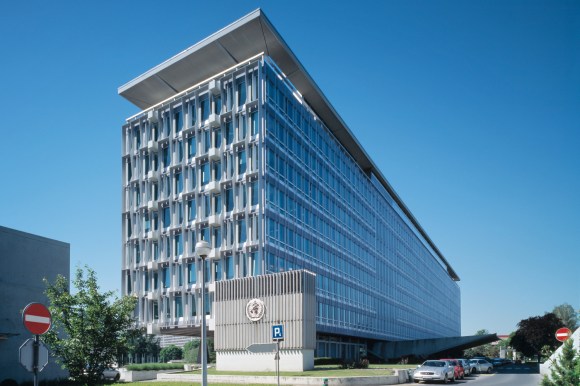
The World Health Organization (WHO) says the Ebola outbreak in the Democratic Republic of the Congo (DRC) remains a Public Health Emergency of International Concern.
WHO Director-General Dr Tedros Ghebreyesus said this during a briefing to member states on the outbreak, according to a statement.
“The DRC has recorded nearly 11,000 confirmed cases and more than 5,300 deaths across eight provinces,” he said.
Ghebreyesus said nearly 3,000 patients had recovered, with transmission declining in some affected areas.
He attributed the progress to the work of communities, health workers, national authorities and response partners, led by the DRC government.
However, he warned that new hotspots were emerging and the outbreak was spreading to other areas despite progress in some locations.
Ghebreyesus identified insecurity as a major obstacle, citing an attack on Cantine-Aloya that killed 66 civilians, including three health workers.
He said three health facilities were also looted and burned during the attack, while more than 1,000 contacts were lost to follow-up.
“The three confirmed Ebola cases were also unaccounted for,” Ghebreyesus said, describing the incident as a humanitarian emergency and a major setback to response efforts.
He recalled another attack two weeks earlier in Tshopo Province, where a nurse was killed and another health worker injured while responding to an Ebola alert.
“Other security incidents included gunfire near treatment centres, attacks on health facilities, threats against health workers and obstruction of safe burial operations,” he said.
Such incidents, he added, restricted humanitarian access, disrupted response activities and delayed interventions, giving the virus more opportunities to spread.
Ghebreyesus cited population displacement, difficult terrain and rainy weather as additional challenges for response teams. He also expressed concern about delayed payments to frontline health workers, warning that these could trigger strikes and community tensions.
He said the response was expanding but remained below the scale needed to identify, isolate and treat cases, trace contacts and rapidly interrupt transmission.
WHO is working with the DRC government, the Africa Centres for Disease Control and Prevention (Africa CDC) and other partners to strengthen surveillance, laboratory capacity, clinical care, infection prevention and control, safe burials, risk communication and community engagement.
According to Ghebreyesus, these response measures must work together to ensure alerts promptly lead to investigations, testing, isolation and appropriate treatment.
Research efforts were also advancing, he said, with a trial of the Ervebo vaccine having begun last month. WHO expert groups had recommended including two additional vaccine candidates developed specifically against the Bundibugyo virus.
However, he stressed that vaccines could not replace immediate, life-saving interventions, including early treatment, contact tracing, isolation, safe burials and community engagement.
Ghebreyesus said Ebola interventions must also protect essential health services, including primary care, maternal and child health services, and treatment for other diseases. He said affected populations, particularly those in hard-to-reach and non-government-controlled areas, must have equitable access to healthcare and humanitarian assistance.
He also said preventing sexual exploitation, abuse and harassment was essential to the response. WHO is working with the UN Office for the Coordination of Humanitarian Affairs (OCHA) and other partners to strengthen safeguards, reporting channels and survivor-centred assistance.
“On regional preparedness, Kenya had reported nine Ebola cases linked to an imported infection from the DRC, including two deaths,” he said.
Kenya had discharged its final patient and begun the mandatory 42-day countdown to being declared Ebola-free, he added.
Ghebreyesus said Nigeria had also recorded one imported case involving a Swiss citizen, who was evacuated to Switzerland with their spouse.
He said the rapid detection and management of cases in both countries demonstrated the importance of preparedness, transparency and effective public health measures.
WHO was supporting at-risk countries through surveillance, investigation of alerts, testing, isolation, clinical management and the procurement of personal protective equipment, he said.
Ghebreyesus urged countries that had imposed blanket travel restrictions to lift them, warning that such measures could hinder response operations and damage livelihoods. They could also discourage countries from reporting outbreaks promptly, he said, recommending targeted, evidence-based public health measures instead.
The DRC government had updated its national response plan through January 2027, while WHO and Africa CDC were revising the continental preparedness plan, he said.
WHO had mobilised substantial resources, but timely, coordinated financing was still needed for urgent operational priorities. Ghebreyesus called for transparent tracking of financial pledges, commitments and disbursements to ensure accountability and effective use of resources.
He urged member states and partners to sustain political and diplomatic engagement to ensure safe humanitarian access and protect health workers, patients and facilities.
He also called for a rapid expansion of response activities in affected communities and stronger preparedness in at-risk countries, guided by national authorities. He emphasised the need to pay frontline workers on time and continue providing essential health and humanitarian services alongside Ebola interventions.
Communities must remain central to response activities, he said, adding that trust could be built only through respectful engagement, reliable services and accountability.
Ghebreyesus urged partners to address other threats facing affected populations and strengthen health systems so communities could emerge stronger after the outbreak.
Ending the outbreak, he said, required national leadership, community ownership, safe humanitarian access, disciplined coordination and sustained support from all partners.
