


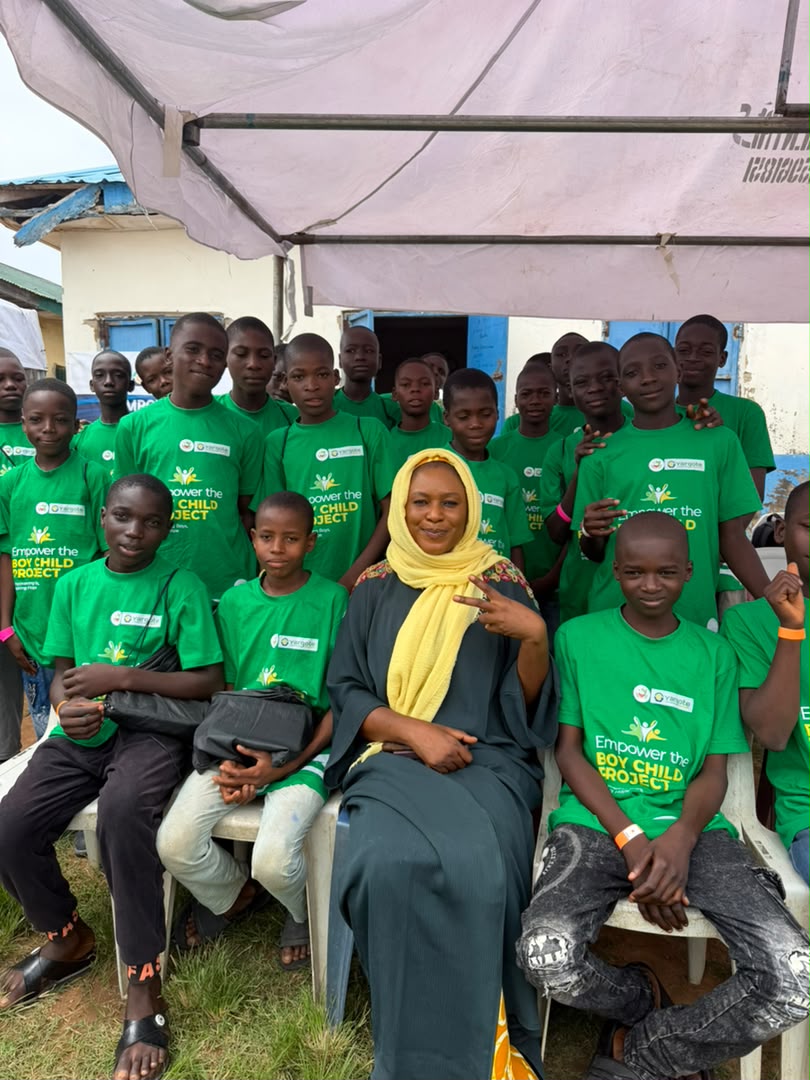
The Yargote Foundation has called for greater attention to boy-child development, warning that a lack of guidance and support could expose boys to negative social influences.
The foundation’s founder, Ms Anna Hussaini, made the call during a visit to reporters in Abuja on Thursday.
Hussaini said the foundation established its Empower the Boy Child Project to address what she described as the subtle neglect of boys in society.
“On top of the charts is the neglect, the subtle neglect, the unintentional neglect of the boy child, because we have been sold this lie for centuries that it is a man’s world,” she said.
She said the assumption that boys would naturally find their way in life often left them without the guidance and support they needed.
Hussaini identified drug abuse, gambling, stealing, violence and other negative influences as some of the challenges facing boys.
“We teach them about 24 lessons over a period of six months, because it is not something that we are doing for show or for photo opportunities,” she said.
The lessons covered empathy, emotional intelligence, communication, critical thinking, adaptability, discipline, patriotism and personal hygiene, she said.
“We give them very real-life scenarios. Sometimes these scenarios just come as the lessons progress. You have to make it very practical and relatable for them to understand,” she said.
Hussaini said the foundation also encouraged participants to share their challenges anonymously. Some disclosed experiences involving gambling, stealing and their parents’ substance use, she added.
The exercise revealed that some beneficiaries in secondary school could neither read nor write, prompting the foundation to engage an additional teacher to support their literacy development, she said.
Hussaini said the programme aimed to raise confident, resilient and morally upright young men who could make responsible decisions and contribute positively to society.
“We need to grab them before the street grabs them. And the street is aggressive,” she said.
She called on parents, communities and other stakeholders to support boy-child development and organisations working in the area, so they could reach more boys.
