


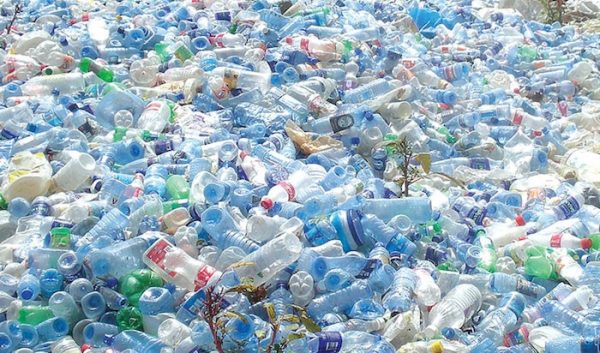
The Federal Government has shifted from voluntary waste management to mandatory enforcement, making plastic producers, importers, and brand owners legally responsible for the full lifecycle of their products and associated waste.
The Director-General of the National Environmental Standards and Regulations Enforcement Agency (NESREA), Prof. Innocent Barikor, announced this on Thursday during a stakeholders’ sensitization programme on Extended Producer Responsibility (EPR) in Owerri.
The event, organised for manufacturers, Producer Responsibility Organizations (PROs), recycles, collectors, and NESREA staff from the South-South and South-East zones, focused on building awareness and collaboration.
Represented by Deputy Director Mr Chukwudi Nwabuisiaku, Prof. Barikor described plastic waste management as a national priority that requires collective action. He stressed that the “Polluter Pays Principle” remains central to achieving the Sustainable Development Goals.
“We believe the environmental impact of a product should not fall solely on the government or end-consumers, but should be shared by the producers who introduced these products into the market,” he said.
He noted that this shift transforms good corporate citizenship into a strict regulatory requirement for businesses.
Prof. Barikor explained that the forthcoming 2026 National Environmental Regulations will provide a roadmap and master plan for plastic waste control, guiding importers and brand owners in managing post-consumer packaging. The guidelines establish specific annual targets for plastic collection, recovery, and recycling nationwide, aligning with international best practices.
He emphasized that the EPR programme is an invitation to innovate, not a tax on industries. “It aims to reduce operational costs, create green jobs, and strengthen Nigeria’s global brand reputation,” he added.
Barikor urged stakeholders to enhance coordination within their sectors and commit to building a cleaner, healthier Nigeria. He expressed appreciation to the United Nations Environment Programme and the Japanese Government for supporting Nigeria’s transition to an accelerated, resource-efficient circular plastic economy.
In his overview of the EPR framework, Mr Nwabuisiaku highlighted the need for collaboration across the entire value chain. He stressed that the policy’s success depends on active participation and accountability.
“EPR is not about waste; it is about responsibility, value retention, and national sustainability,” he said.
The programme also featured several lectures, including “EPR Guidelines and Compliance Requirements” by Mrs Cynthia Abiye-Whyte, “Roles of Producers, PROs, States and Regulators” by Mr Nwabuisiaku, and “Producer Registration and Reporting Obligations” by Dr Azubuike Chukwuka.
