


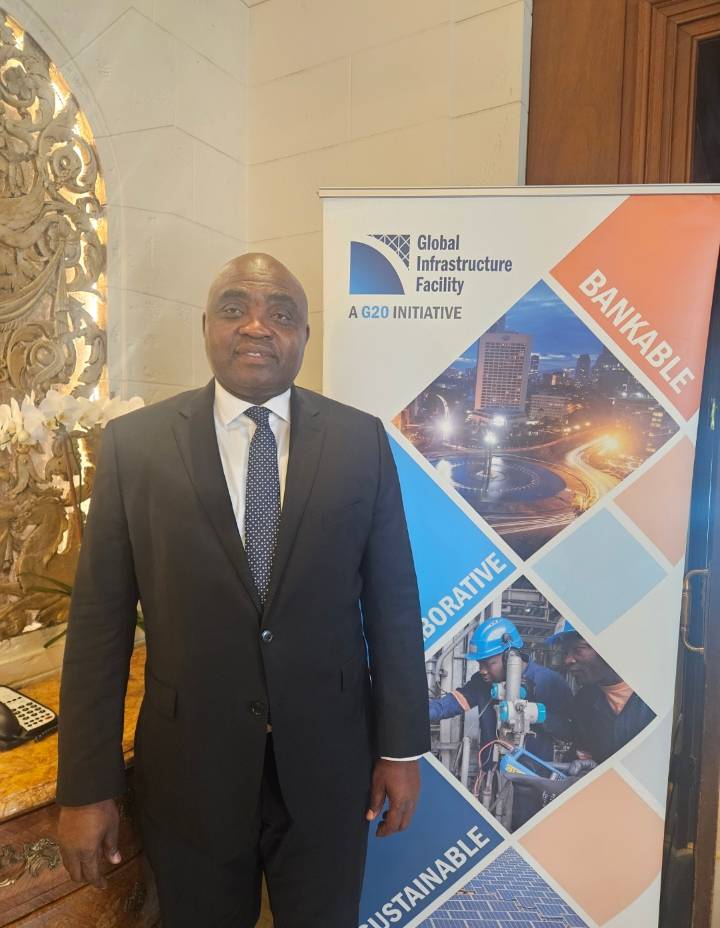
The Director-General of the Infrastructure Concession Regulatory Commission (ICRC), Dr Jobson Ewalefoh, says Nigeria has intensified efforts to bridge its infrastructure deficit, estimated at 2.3 trillion dollars between 2020 and 2043.
Ewalefoh said this during a sideline interview after the Global Infrastructure Facility, a G20 initiative, at the International Monetary Fund (IMF)/World Bank Spring Meetings in Washington on Thursday.
He said the country requires about 100 billion dollars annually for 23 years.
Ewalefoh noted that budgetary allocations fall short, making private sector participation through Public-Private Partnerships (PPP) critical for infrastructure development nationwide.
He said Nigeria’s Infrastructure Master Plan projects 70 per cent private sector funding, stressing the need for bankable project pipelines supported by institutions like the Global Infrastructure Facility to mobilise investors globally.
According to him, discussions at the forum emphasised that PPP models must reflect local realities, including investment risks, the political environment, and the limited appetite for long-term capital in developing economies like Nigeria.
Ewalefoh said Nigeria is positioning itself as a viable investment destination, citing a population of about 250 million and government reforms aimed at improving the business climate and boosting investor confidence.
The director-general also assured investors of strong legal frameworks protecting investments, emphasising commitment to the rule of law, contract sanctity, and policies designed to guarantee returns and reduce perceived risks.
Ewalefoh said the energy and transport sectors are priority areas, requiring about 759 billion dollars and 595 billion dollars respectively.
He also cited ICT, agriculture, healthcare, and education as critical sectors needing substantial investment.
According to him, PPP offers solutions to funding constraints by reducing reliance on limited government budgets, while enabling sustainable infrastructure financing through long-term investment recovery mechanisms.
Ewalefoh said ongoing engagements would unlock investment flows, accelerate project delivery, and position Nigeria to achieve its infrastructure goals through strategic collaboration with global investors and development partners.
He also commended President Bola Tinubu for initiating reforms, particularly those aimed at creating an enabling environment for PPP to thrive.
