


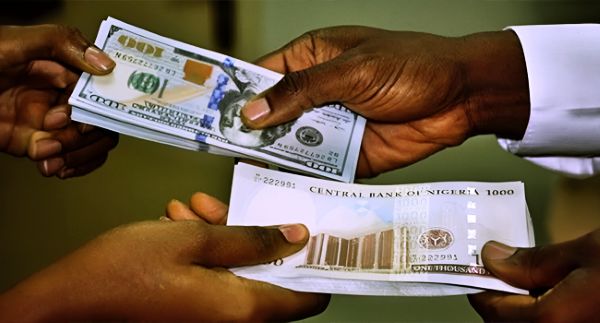
The naira depreciated to N1,369 per dollar on Monday, down from N1,361.5/$ recorded at the close of trading on Friday, as persistent pressures in the foreign exchange (FX) market outweighed supportive global trends.
Data published by the Central Bank of Nigeria (CBN) shows the latest close represents the currency’s weakest level since April 8, 2026, when it traded at the same rate—extending a steady depreciation trend in recent sessions. The naira has also declined from N1,349.67/$ recorded at the start of last week.
The downturn comes amid concerns over declining external reserves and sustained FX demand, raising questions about the CBN’s capacity to maintain exchange rate stability under tightening liquidity conditions.
CBN data indicates that Nigeria’s external reserves fell from $49.18 billion on April 1 to $48.44 billion as of April 24—a decline of $731 million within the period.
ALSO READ CBN restricts BDC access to forex market over compliance concerns
Market indicators, however, point to a divergence between global and domestic currency dynamics. The US Dollar Index slipped 0.3 per cent to 98.32 on easing safe-haven demand, while Brent crude rose 1 per cent to $106.40 per barrel. The Japanese yen traded at 159.17 per dollar, hovering just below the key 160 threshold, as markets increasingly price in a likely pause by the US Federal Reserve at its upcoming meeting.
Despite the softer dollar environment, the naira has remained under pressure, underscoring the dominance of domestic constraints—particularly limited FX supply and persistent demand from importers and investors.
Analysts attribute the currency’s weakness to a combination of shrinking external buffers, ongoing demand pressures, and liquidity challenges in the official market.
External reserves remain a critical anchor for exchange rate management, as they support market interventions and bolster investor confidence. Continued drawdowns typically heighten concerns about the sustainability of such interventions, especially in the absence of strong FX inflows.
Although CBN Governor Olayemi Cardoso has downplayed concerns over the recent decline in reserves, maintaining that the trend is not alarming, market participants remain cautious about the outlook.
Historically, a weaker US dollar tends to support emerging market currencies. However, Nigeria’s structural FX constraints—including supply shortages and elevated demand—have continued to dictate naira performance.
The CBN has nonetheless retained an optimistic outlook, projecting that external reserves could rise to $51 billion by the end of 2026 as part of its broader macroeconomic stabilisation and confidence-restoration strategy.
The projection forms part of a medium-term plan to strengthen Nigeria’s balance of payments and improve resilience against external shocks.
