


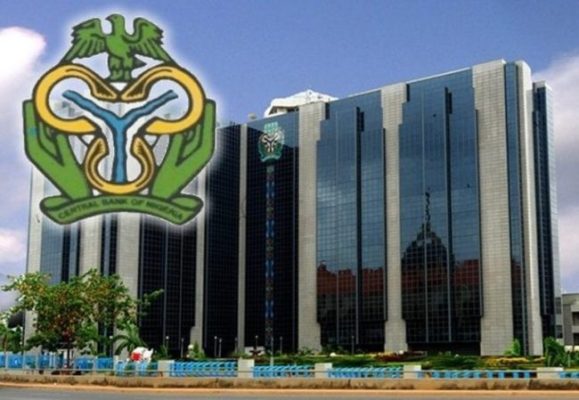
The Central Bank of Nigeria (CBN) has absorbed a total of N4.48 trillion from the banking system within two sessions over six days, intensifying its liquidity tightening stance through aggressive Open Market Operations (OMO).
Financial system data from April 8 to April 15, 2026, show that the apex bank stepped up efforts to sterilise excess liquidity, with major interventions recorded on April 9 and April 14.
As a result, banks’ opening balances dropped sharply to N99.05 billion on April 15, down from N135.76 billion the previous day, reversing earlier gains recorded during the period.
Despite the tightening, significant funds remained parked in the Standing Deposit Facility (SDF), underscoring a persistent liquidity overhang in the system even as the CBN ramped up mop-up operations.
ALSO READ Naira appreciates to N1,341.99/$ amid improved sentiment, external headwinds persist
Breakdown of the data indicates that total OMO sales reached N4.48 trillion across the two sessions—N2.31 trillion on April 9 and N2.17 trillion on April 14. The SDF balance declined to N3.69 trillion as of April 15 from N6.98 trillion on April 8, while opening balances also fell from N179.31 billion on April 10.
Additional system flows showed an OMO repayment of N1.34 trillion on April 14, alongside primary market sales of N731.38 billion and repayments of N357.89 billion on April 9.
The pattern of flows points to a deliberate and calibrated strategy by the CBN to rein in excess liquidity without destabilising the money market. The sizeable OMO issuances suggest targeted absorption of surplus cash to support short-term interest rate stability.
The sharp moderation in SDF balances indicates that while liquidity remains ample, a portion has been effectively sterilised through market operations. Analysts say this aligns with the apex bank’s broader monetary policy objective of curbing inflationary pressures and supporting exchange rate stability.
Nonetheless, the financial system remains broadly liquid, with banks continuing to prefer the safety of depositing excess funds with the CBN rather than expanding risk exposure through aggressive lending.
The latest intervention mirrors a similar episode between March 23 and 27, when the apex bank mopped up N4.11 trillion in dual OMO sessions, reinforcing a pattern of sustained liquidity management.
While liquidity conditions remain comfortable, the downward trend in both opening balances and SDF deposits signals a gradual tightening bias that could influence interbank rates, lending behaviour, and broader financial market dynamics in the coming weeks.
Overall, the data highlights a financial system increasingly shaped by deliberate and sustained policy actions by the CBN aimed at maintaining macroeconomic stability.
