


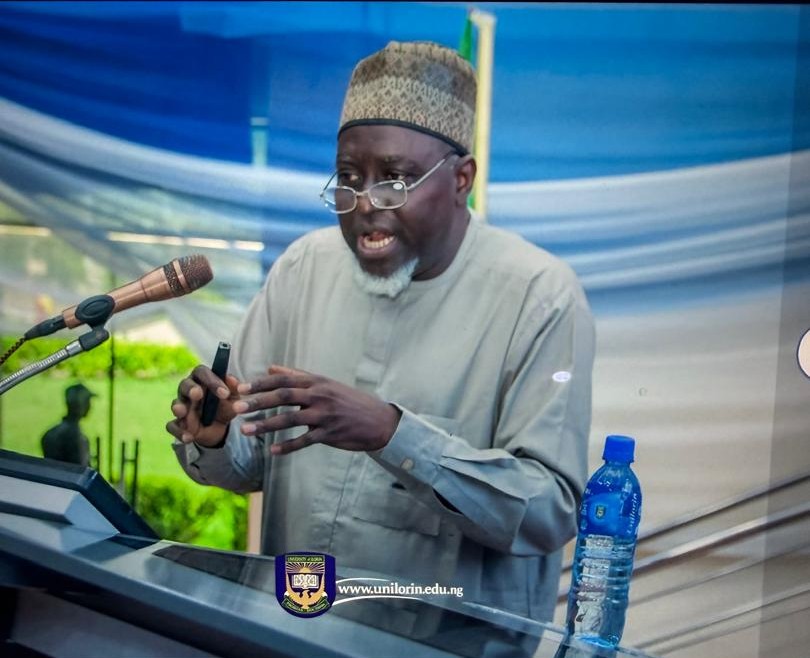
Scholars of the Sokoto Caliphate argued that women should be able to pursue education and attend to necessary religious and worldly matters, a Professor of Social History and Vice Chancellor of the Northwest University, Sokoto (NWUS), Mukhtar Umar Bunza, has said.
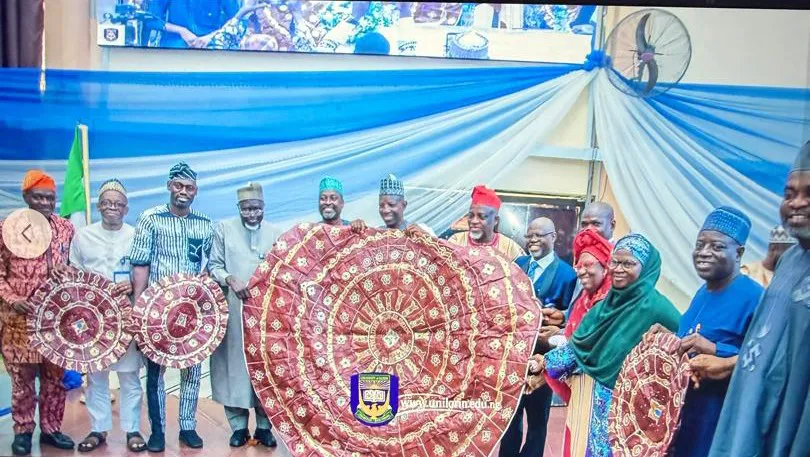
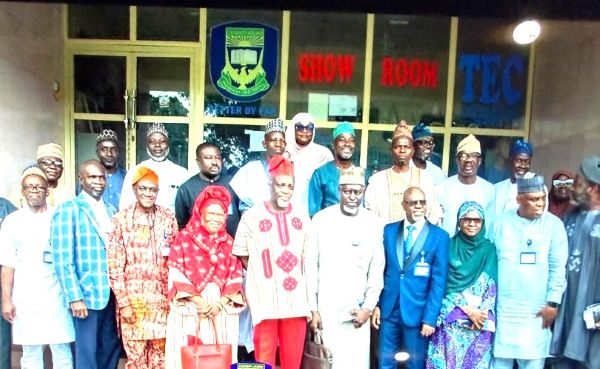
Bunza, who spoke as the Guest Lecturer, made the call on Friday, October 8, 2026, while delivering the Second Is-haq Oloyede Annual Humanities Lecture at the University of Ilorin. Organised by the Faculty of Arts and held in honour of Emeritus Professor Ishaq Oloyede, the lecture had the theme: “The Sokoto Caliphate Intellectual Legacy and the Future of Humanities in Nigeria.”
Making this point while stressing the intellectual legacy of the Sokoto Caliphate and its relevance to Nigeria’s humanities education.
ALSO READ Sokoto Caliphate’s intellectual legacy offers Nigerian universities homegrown knowledge — Historian
He said the Caliphate’s leaders rejected both unrestricted access without regard to circumstances and an absolute ban on women leaving home, advocating instead what he described as a middle position.
Citing the writings of Usmanu Danfodiyo and his brother Abdullahi, Bunza said women should be able to leave home for legitimate needs, including earning a livelihood and acquiring religious knowledge when a husband could not teach them.
The lecture referred to a debate between the Caliphate scholars and a Bornoan cleric, Mustafa Goni, who questioned the participation of women in the Shehu’s public preaching and academic gatherings. Abdullahi’s response, as presented in his writing Tazyin al-Waraqat, rejected leaving women in ignorance, Bunza said.
He said the Caliphate’s position on women’s education and participation in religious learning helped foster female scholarship, from Nana Asma’u and Yantaru in the 19th century to later generations.
“Opening access and encouraging women folk to strive and pursue education and knowledge of all sorts, spiritual and material” was among the Caliphate’s fundamental intellectual legacies, Bunza said.
Bunza also urged Nigerian universities to draw more extensively on the Caliphate’s writings as indigenous sources for the humanities. He said the scholars’ work covered fields including history, administration, medicine, science and diplomacy, and could contribute to locally grounded teaching and research.
