


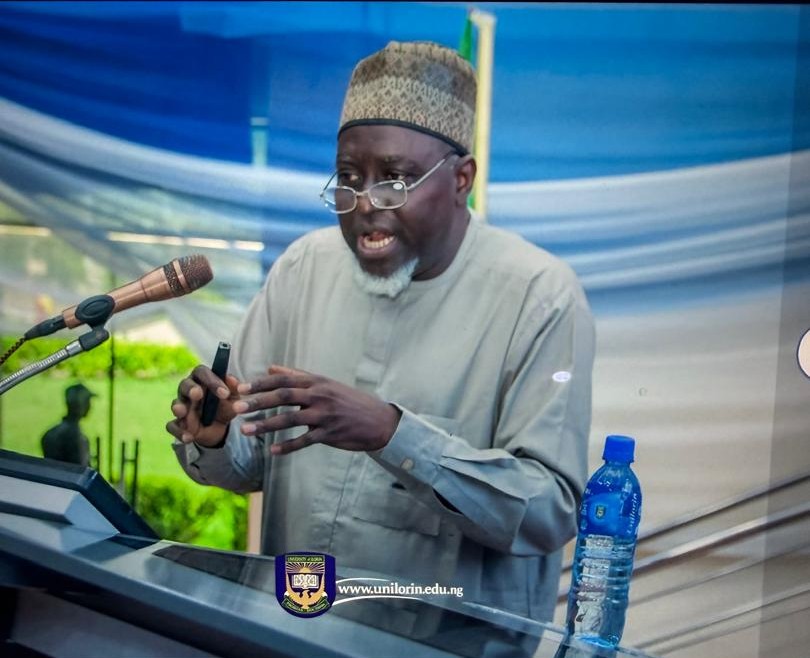
Nigerian universities should make greater use of indigenous scholarship, including writings produced during the Sokoto Caliphate, instead of relying heavily on foreign theories and intellectual traditions, a Professor of Social History and Vice Chancellor of the Northwest University, Sokoto (NWUS), Mukhtar Umar Bunza, has said.
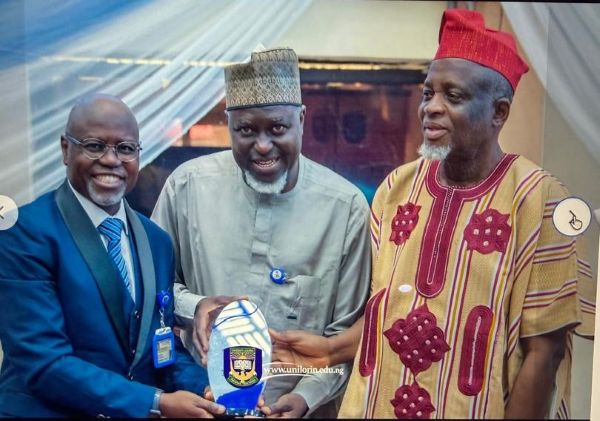
Bunza, who spoke as the Guest Lecturer, made the call on Friday, October 8, 2026, while delivering the Second Is-haq Oloyede Annual Humanities Lecture at the University of Ilorin. Organised by the Faculty of Arts and held in honour of Emeritus Professor Ishaq Oloyede, the lecture had the theme: “The Sokoto Caliphate Intellectual Legacy and the Future of Humanities in Nigeria.”
He said the Caliphate’s scholars produced extensive works across history, governance, economics, diplomacy, religion, science and medicine, offering locally grounded materials that could support teaching and research in Nigerian institutions.
“The provision of indigenous source and reference materials” across the humanities, including history, economics, political science, diplomacy and foreign relations, formed a major part of the Caliphate’s intellectual inheritance,” Bunza said.
He urged universities and colleges to do more to incorporate such works into their curricula and research, arguing that a stronger use of local scholarship could help build self-reliant, homegrown academic training.
Bunza said the Caliphate’s founders and leading figures—including Usmanu Danfodiyo, his brother, Abdullahi and his son Muhammad Bello—were scholars and writers whose intellectual interests extended beyond religious studies. Their writings addressed administration and political affairs, as well as subjects such as astronomy, medicine and geography, he said.
He cited Muhammad Bello’s writings on medicine and described a work by Usmanu Danfodiyo as addressing the Earth, oceans and their geographical and strategic importance. The lecture also referred to works on agriculture and town planning.
Bunza said the scholars’ approach to learning was rooted in a tradition that regarded knowledge as broad in scope. He quoted historian Abdullahi Smith’s description of the intellectual tradition as universalist, encompassing knowledge of God and creation.
The Guest Lecturer also highlighted the role of women in the Caliphate’s educational tradition, arguing that Usmanu Danfodiyo and his contemporaries defended women’s access to religious instruction and learning, helping lay foundations for female scholarship, including the work of Nana Asma’u.
Bunza’s lecture traced the intellectual legacy of the Sokoto Caliphate and its relevance to the future of humanities education in Nigeria. He also acknowledged the contribution of Yoruba scholars and academics to early university research on the Caliphate.
