


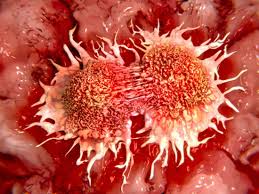
The Federal Government has urged Nigerians to prioritise early detection of cancer, saying the stage at which the disease is diagnosed significantly influences treatment options and the chances of a favourable outcome.
The National Coordinator of the National Cancer Control Plan (NCCP), Federal Ministry of Health and Social Welfare, Uchechukwu Nwokwu, made this known in an interview with journalists on Sunday in Abuja.
Nwokwu explained that cancer was not a single disease but a group of diseases that could affect different organs and behave differently depending on the type and characteristics of the affected cells.
He said cancer develops when abnormal cells emerge in a particular organ or body system, with the extent to which the disease has spread determining its stage.
According to him, Stage One cancer is generally confined to the area where it originated and has not spread to other parts of the body.
He noted that treatment approaches vary according to the stage and characteristics of the disease, making early diagnosis essential for determining the most appropriate combination of treatment modalities.
Nwokwu said radiotherapy, for instance, was applied selectively based on factors including the location and spread of the cancer as well as the patient’s overall condition.
He also stressed that patients with cancer affecting the same organ might require different treatment approaches because cancers could have different biological characteristics.
The coordinator therefore advised Nigerians to seek medical attention promptly whenever they notice unusual symptoms and to comply with recommended screening and diagnostic procedures.
He said detecting cancer before it spreads gives healthcare professionals a better opportunity to determine the appropriate treatment and improve the prospects of effective management.
Nwokwu further emphasised the importance of individualised cancer care, noting that treatment decisions should be based on the specific characteristics of each patient’s disease.
