


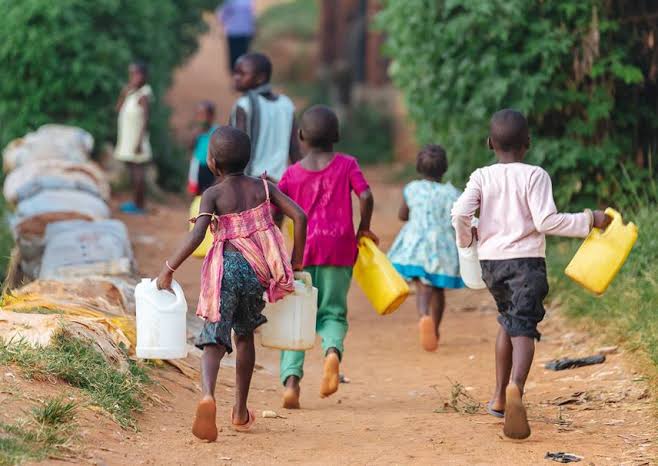
Education and development experts have expressed concern over the worsening plight of Nigerian children, citing insecurity, poverty, climate risks, and poor educational policies as major threats to their future.
The experts spoke in separate interviews with the News Agency of Nigeria (NAN) in Ibadan on Wednesday to commemorate the 2026 Children’s Day.
Prof. Adams Onuka, an education evaluation expert at the University of Ibadan, said education remains the most critical tool for making Nigerian children globally competitive.
He emphasised that a conducive learning environment, adequate infrastructure, and good character formation are essential to securing children’s future.
“If you are not secure, you cannot learn. Nobody learns in fear, and insecurity is a source of fear,” he said.
Onuka noted that the responsibility for building a better future for children should not rest solely on the government, as parents, teachers, religious leaders, and society all have important roles to play.
He lamented the erosion of moral values in society, saying children often learn negative behaviours from adults.
“We need to go back to the drawing board and rebuild our values so that we can guarantee the future of coming generations,” he said.
Similarly, Dr Ebenezer Obideyi, Head of Teacher Professional Development at Teacher! Teacher!! Learning Resources Ltd., identified insecurity, economic hardship, and climate change as major threats to children’s education.
Obideyi said insecurity across different parts of Nigeria has discouraged many parents from sending their children to school, while the worsening economy is pushing many children into labour and street trading.
He noted that climate change has compounded these challenges, citing the Children’s Climate Risk Index (CCRI), which ranks Nigerian children second most vulnerable globally.
“These issues destroy homes, schools and infrastructure, disrupting learning and increasing dropout rates. Climate risk is no longer just an environmental issue; it is now an education issue, a development issue, and a future-of-the-child issue,” he said.
Obideyi called for greater investment in quality education and safer learning environments to protect children from the combined effects of insecurity, poverty, and environmental hazards.
Also speaking, organisational development expert Mr Yemi Osanyin described the condition of Nigerian children as pathetic, warning that the country risks a bleak future without urgent intervention.
He said the growing number of out-of-school children reflects Nigeria’s failure to prioritise education, with millions of children roaming the streets, begging, or being recruited into criminal activities instead of being in school.
“There is a strong relationship between education and the ability of a child to make informed decisions and build a meaningful future,” he said.
Osanyin criticised inconsistent educational policies, weak implementation, and poor funding of public schools. He also identified poverty and insecurity as key factors discouraging parents from enrolling their children.
The experts unanimously called for practical and sustained reforms to improve access to quality education and secure a better future for Nigerian children.
