


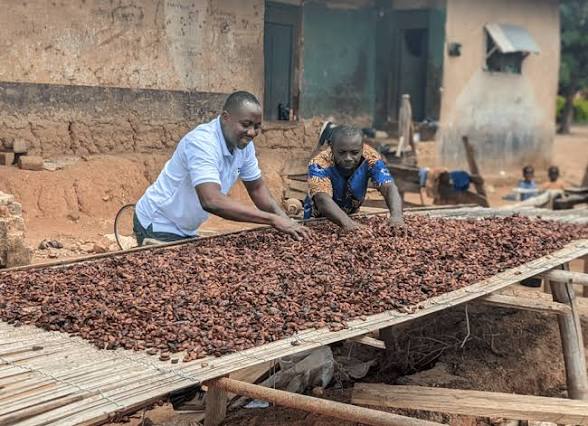
Cocoa farmers in Osun have called for the establishment of cocoa processing factories in Nigeria to help regulate prices and boost production.
The Secretary of the All Farmers Association of Nigeria (AFAN) in Osun, Mr. Adewole Abimbola, made the call during an interview with reporters on Thursday in Osogbo.
Abimbola, who is also the Chairman of the Sweet Cocoa Association in the state, said farmers face price fluctuations because exporters largely determine the prices paid to them.
He explained that most of Nigeria’s raw cocoa is exported and processed in Europe and other Western countries, giving buyers control over pricing rather than producers.
He stated that local processing would enable Nigerian factories to influence pricing in favor of farmers.
“The price at which cocoa is bought and sold is determined by the global market, which is beyond the control of local farmers. Exporters purchasing cocoa from farmers largely dictate prices based on international trends and demand. If cocoa is processed locally before export, pricing would be driven by producers rather than exporters who currently buy the raw produce,” he said.
Abimbola noted that while rising global cocoa prices could benefit farmers, fluctuations could also negatively affect investment in the sector. He added that foreign exchange rates play a crucial role in determining gains or losses.
“The higher or lower the foreign exchange rate, the greater the impact on farmers’ returns,” he said.
He urged cocoa farmers and investors in the value chain to remain resilient, assuring them that the sector has strong future prospects.
“Irrespective of price fluctuations, cocoa remains a viable cash crop, and losses in one season can be offset by gains in another,” he said.
Abimbola encouraged farmers who experienced losses not to be discouraged, expressing optimism that prices would improve.
“Farmers should not be downcast by temporary setbacks. In business, profit and loss are inevitable,” he added.
He also advised young farmers and new investors to stay committed, noting that price dips are temporary challenges in the industry.
