


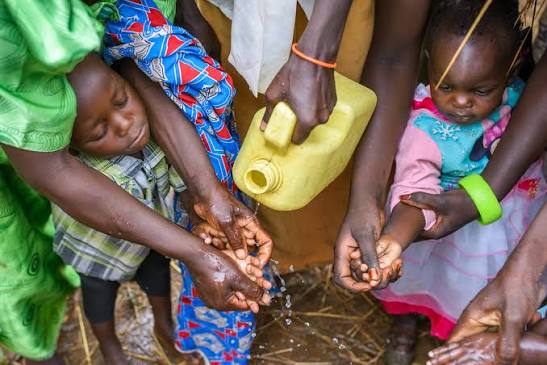
Public health experts have called for improved hygiene practices, access to safe drinking water, and better nutrition to curb the prevalence of diarrhoea, especially among vulnerable populations.
They made the call in separate interviews with journalists on Saturday in Abuja, stressing the need for urgent coordinated efforts to address preventable causes and reduce child mortality.
According to the World Health Organization (WHO), diarrhoeal disease is the second leading cause of death among children under five years, responsible for 370,000 deaths globally in 2019. The organisation identifies three clinical types: acute watery diarrhoea, acute bloody diarrhoea (dysentery), and persistent diarrhoea. Each type requires appropriate management, prevention, and timely medical attention to reduce complications and fatalities.
Mr Daniel Tari, a Community Health Extension Worker (CHEW) at Apo Primary Healthcare Centre in Abuja, described diarrhoea as one of the leading causes of illness and death among young children, especially in developing countries.
He noted that dehydration is the most severe threat, as the body loses water and essential electrolytes through frequent stools, vomiting, sweating, and urination. He added that diarrhoea worsens malnutrition and increases vulnerability to other illnesses.
“Simple habits such as hand washing with soap, proper waste disposal, and access to clean drinking water can significantly reduce the risk,” Daniel said.
He urged communities to adopt consistent hygiene practices.
Miss Rejoice Ladan, a nutritionist at the National Hospital, Abuja, emphasised that proper feeding strengthens children’s immunity.
She advised exclusive breastfeeding for the first six months, followed by the introduction of balanced complementary foods to help prevent infections, including diarrhoea.
“Breastfeeding provides essential nutrients and antibodies that help protect children from infections, including diarrhoea,” she said.
She emphasised the need for greater caregiver awareness and strict adherence to recommended infant and young child feeding practices across the country.
Mrs Naomi Iliya, the focal person for routine immunisation at the Primary Health Care Centre in Mabushi District, Abuja, highlighted the importance of public sensitisation, especially in rural communities, and timely vaccination against rotavirus, a major cause of diarrhoea and infant mortality.
She urged parents and caregivers to seek immediate medical attention when children show symptoms such as frequent loose stools, dehydration signs, or vomiting, warning that delays could lead to severe complications or death.
