

• Home
  • Agric
  • Sci & Tech
  • Health
  • Environment
  • Hausa News
  • More
    • Business/Banking & Finance
    • POLITICS
    • Entertainments & Sports
    • International
    • Investigation
    • Law & Human Rights
    • Africa
    • ACCOUNTABILITY/CORRUPTION
    • Hassan Gimba
    • Column
    • Prof. Jibrin Ibrahim
    • Prof. M.K. Othman
    • Defense/Security
    • Education
    • Energy/Electricity
    • Entertainment/Arts & Sports
    • Society and Lifestyle
    • Food & Agriculture
    • Health & Healthy Living
    • International News
    • Interviews
    • Investigation/Fact-Check
    • LAW & HUMAN RIGHTS
    • Oil & Gas/Mineral Resources
    • PRESS FREEDOM/JOURNALISM/PR
    • General News
    • Presidency
  • About Us
    • Contact Us
    • Board Of Advisory
    • Privacy Policy
    • Ethics Policy
    • Teamwork And Collaboration Policy
    • Fact-Checking Policy
    • Advertising
  • Media OutReach Newswire
    • Wire News
  • The Stories
Facebook Twitter Instagram
Trending
  • Nigeria, Thailand sign pacts to boost cooperative reform
  • NASENI launches empowerment programme in Abia
  • Enugu celebrates IFAD women beneficiaries
  • Red lines in the corruption of Nigeria’s political and electoral system, by Prof. Jibrin Ibrahim
  • APC support groups demand removal of City Boy Movement director in Sokoto
  • Lagos trains rice millers, regulators on biofortification
  • ASWHAN mobilises male leaders against GBV
  • SEDC set to launch agro-industrial revolution in South East
Facebook Twitter Instagram YouTube
AsheNewsAsheNews
  • Home
  • Agric

    Nigeria, Thailand sign pacts to boost cooperative reform

    August 28, 2026

    Enugu celebrates IFAD women beneficiaries

    August 28, 2026

    Lagos trains rice millers, regulators on biofortification

    August 27, 2026

    SEDC set to launch agro-industrial revolution in South East

    August 27, 2026

    Oyo trains 880 farmers on climate-smart agriculture

    August 27, 2026
  • Sci & Tech

    NASENI launches empowerment programme in Abia

    August 28, 2026

    Ekeh: Nigeria first policy will boost local entrepreneurs

    August 27, 2026

    Huawei completes patent deal with HP

    August 27, 2026

    NCC commits to inclusive digital innovation for PWDs

    August 26, 2026

    Technology key to independence for special needs – W.TEC

    August 25, 2026
  • Health

    ASWHAN mobilises male leaders against GBV

    August 27, 2026

    CEPI grants $16.5m for Bundibugyo Ebola vaccine

    August 27, 2026

    WAHO hands over €1.51m lab equipment to Guinea-Bissau

    August 27, 2026

    FG launches 2026–2030 national alcohol policy to tackle health, social risks

    August 27, 2026

    UNICEF, Kebbi stakeholders validate SRH strategy

    August 27, 2026
  • Environment

    Fire claims 4 lives in Ikola

    August 27, 2026

    FAAN clears Bolt to resume services at airports

    August 27, 2026

    FG to include judiciary in housing scheme

    August 27, 2026

    FG meters 60% of power customers

    August 27, 2026

    Expert warns against indiscriminate abattoir waste disposal

    August 26, 2026
  • Hausa News

    UNA signs MoU to launch air Bissau in Guinea-Bissau

    June 15, 2026

    Otti plans 250-room 5-star hotel in Umuahia

    April 11, 2026

    Anti-quackery task force seals 4 fake hospitals in Rivers

    August 29, 2025

    [BIDIYO] Yadda na lashe gasa ta duniya a fannin Ingilishi – Rukayya ‘yar shekara 17

    August 6, 2025

    A Saka Baki, A Sasanta Saɓani Tsakanin ‘Yanjarida Da Liman, Daga Muhammad Sajo

    May 21, 2025
  • More
    1. Business/Banking & Finance
    2. POLITICS
    3. Entertainments & Sports
    4. International
    5. Investigation
    6. Law & Human Rights
    7. Africa
    8. ACCOUNTABILITY/CORRUPTION
    9. Hassan Gimba
    10. Column
    11. Prof. Jibrin Ibrahim
    12. Prof. M.K. Othman
    13. Defense/Security
    14. Education
    15. Energy/Electricity
    16. Entertainment/Arts & Sports
    17. Society and Lifestyle
    18. Food & Agriculture
    19. Health & Healthy Living
    20. International News
    21. Interviews
    22. Investigation/Fact-Check
    23. LAW & HUMAN RIGHTS
    24. Oil & Gas/Mineral Resources
    25. PRESS FREEDOM/JOURNALISM/PR
    26. General News
    27. Presidency
    Featured
    Recent

    Nigeria, Thailand sign pacts to boost cooperative reform

    August 28, 2026

    NASENI launches empowerment programme in Abia

    August 28, 2026

    Enugu celebrates IFAD women beneficiaries

    August 28, 2026
  • About Us
    1. Contact Us
    2. Board Of Advisory
    3. Privacy Policy
    4. Ethics Policy
    5. Teamwork And Collaboration Policy
    6. Fact-Checking Policy
    7. Advertising
    Featured
    Recent

    Nigeria, Thailand sign pacts to boost cooperative reform

    August 28, 2026

    NASENI launches empowerment programme in Abia

    August 28, 2026

    Enugu celebrates IFAD women beneficiaries

    August 28, 2026
  • Media OutReach Newswire
    • Wire News
  • The Stories
AsheNewsAsheNews
Home»Health & Healthy Living»Scientist warns of overlooked brain risks for long-term HIV survivors
Health & Healthy Living

Scientist warns of overlooked brain risks for long-term HIV survivors

NewsdeskBy NewsdeskJune 18, 2025Updated:June 18, 2025No Comments3 Mins Read
Share
Facebook Twitter LinkedIn Pinterest Email

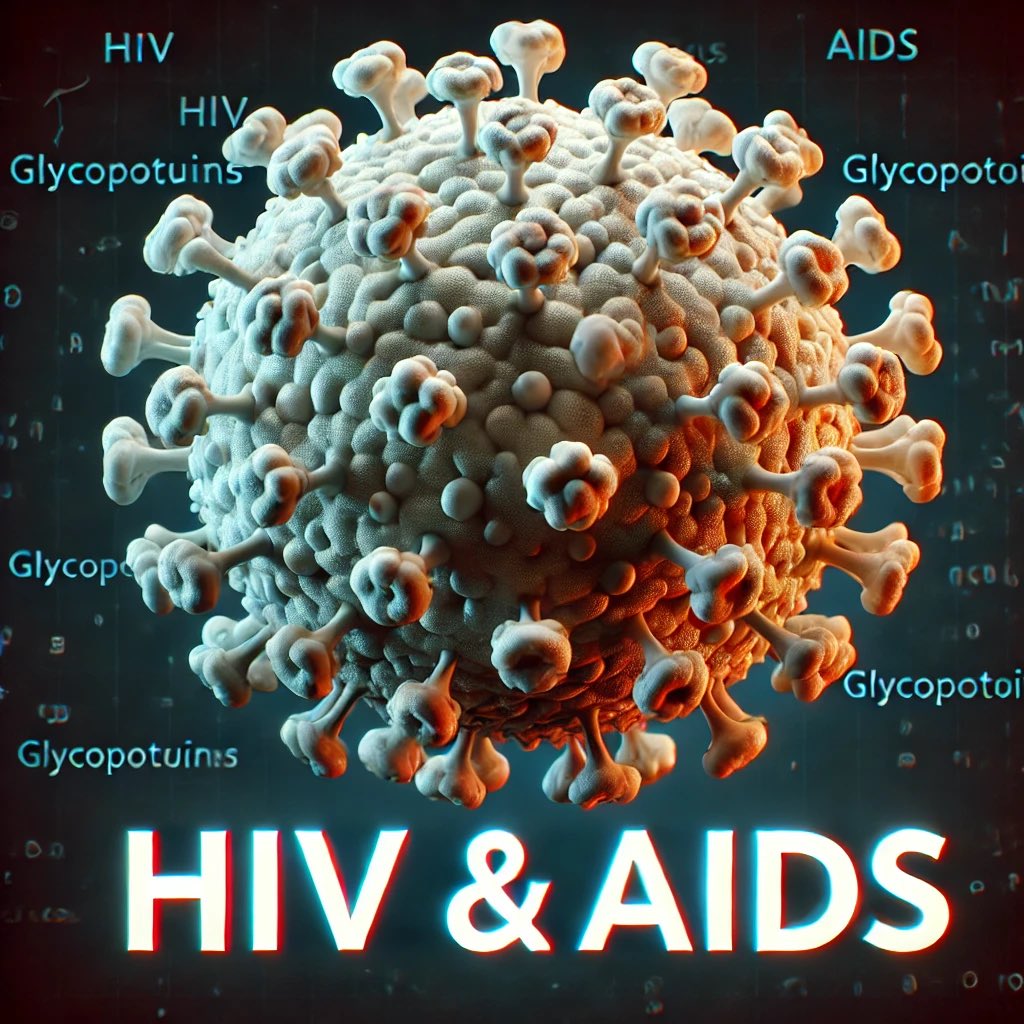
A Nigerian scientist living in the United States, George Njoku, has raised concerns about a possible link between HIV and memory loss in people who have lived with the virus for a long time, even though they are taking antiretroviral drugs.

Njoku is a first-year PhD student at the University of Nebraska Medical Center. He explained that a protein made by HIV, called Tat, may still be affecting the brain even when the virus is controlled. This protein might stop the brain from clearing out harmful substances related to Alzheimer’s disease.

The Mayo Clinic says Alzheimer’s is a disease that slowly damages memory, thinking, and behavior.

The clinic also explains that Alzheimer’s is the most common cause of dementia, which is a general term for problems with thinking and memory.

The disease is caused by harmful proteins building up in the brain. These proteins form clumps and tangles that damage brain cells and eventually kill them.

Talking about his research, Njoku said people with HIV may be more likely to develop brain problems because the virus could interfere with microglia — special brain cells that clean out harmful substances like amyloid-beta (Aβ), which is linked to Alzheimer’s.

He said microglia usually remove Aβ using certain surface receptors, but the HIV Tat protein seems to block or damage these receptors by changing their shape or preventing them from reaching the cell surface.

Even if the brain produces the right receptors, Tat might trap them inside the cells or cause chemical changes that stop them from working properly.

Njoku’s research suggests that HIV not only stops the brain from clearing out Aβ but also damages the microglia’s internal systems, such as lysosomes and mitochondria, which help clean up waste. This can lead to toxic buildup, stress inside cells, and ongoing brain inflammation.

Njoku, who works in the fields of molecular medicine and neuroimmunology, is testing medicines that might help microglia work better again.

He also wants to find out if some current HIV drugs could be part of the problem and if new treatments can better protect the brain.

He said, “Our goal is to help people with HIV not just live longer, but also keep their brains healthy as they age.

”As part of his research, Njoku is using RNA sequencing to see how HIV, Tat, and Aβ affect microglia at the genetic level. This may help scientists discover new warning signs or treatments for brain disorders linked to HIV.

He said another major part of his project is finding ways to fix microglial function when HIV and Tat are present. He is testing drugs that might boost receptor function, help remove harmful proteins, or protect mitochondria.

He is also studying how current HIV treatments (called cART) affect brain cells. Although these drugs are key to controlling HIV, it’s not clear how they impact brain health.

By studying these processes, Njoku hopes to find which parts of the brain are being affected and possibly discover new ways to diagnose or treat these problems.

The main goal of his work is to understand how HIV causes the brain to age faster and how to keep people’s brains healthy as they live longer with the virus.

Even though antiretroviral drugs have made HIV a treatable long-term illness, Njoku says the effects on the brain must not be ignored.

He warned, “The brain should be the next big focus in HIV research.”

Brain super memory HIV
Share. Facebook Twitter Pinterest LinkedIn WhatsApp Reddit Tumblr Email
Newsdesk
  • Website

Related Posts

ASWHAN mobilises male leaders against GBV

August 27, 2026

CEPI grants $16.5m for Bundibugyo Ebola vaccine

August 27, 2026

WAHO hands over €1.51m lab equipment to Guinea-Bissau

August 27, 2026

Leave A Reply Cancel Reply

Nigeria, Thailand sign pacts to boost cooperative reform

August 28, 2026

NASENI launches empowerment programme in Abia

August 28, 2026

Enugu celebrates IFAD women beneficiaries

August 28, 2026

Red lines in the corruption of Nigeria’s political and electoral system, by Prof. Jibrin Ibrahim

August 28, 2026
About Us
About Us

ASHENEWS (AsheNewsDaily.com), published by PenPlus Online Media Publishers, is an independent online newspaper. We report development news, especially on Agriculture, Science, Health and Environment as they affect the under-reported rural and urban poor.

We also conduct investigations, especially in the areas of ASHE, as well as other general interests, including corruption, human rights, illicit financial flows, and politics.

Contact Info:
  • 1st floor, Dogon Daji House, No. 5, Maiduguri Road, Sokoto
  • +234(0)7031140009
  • ashenewsdaily@gmail.com
Facebook Twitter Instagram Pinterest
© 2026 All Rights Reserved. ASHENEWS Daily Designed & Managed By DeedsTech

Type above and press Enter to search. Press Esc to cancel.