

• Home
  • Agric
  • Sci & Tech
  • Health
  • Environment
  • Hausa News
  • More
    • Business/Banking & Finance
    • POLITICS
    • Entertainments & Sports
    • International
    • Investigation
    • Law & Human Rights
    • Africa
    • ACCOUNTABILITY/CORRUPTION
    • Hassan Gimba
    • Column
    • Prof. Jibrin Ibrahim
    • Prof. M.K. Othman
    • Defense/Security
    • Education
    • Energy/Electricity
    • Entertainment/Arts & Sports
    • Society and Lifestyle
    • Food & Agriculture
    • Health & Healthy Living
    • International News
    • Interviews
    • Investigation/Fact-Check
    • LAW & HUMAN RIGHTS
    • Oil & Gas/Mineral Resources
    • PRESS FREEDOM/JOURNALISM/PR
    • General News
    • Presidency
  • About Us
    • Contact Us
    • Board Of Advisory
    • Privacy Policy
    • Ethics Policy
    • Teamwork And Collaboration Policy
    • Fact-Checking Policy
    • Advertising
  • Media OutReach Newswire
    • Wire News
  • The Stories
Facebook Twitter Instagram
Trending
  • Karibi-George wins Miss world Nigeria 2026
  • Cui wins boys’ singles at 2026 NASCO/ITF J30 junior tennis in Abuja
  • Fire destroys Iyanu plastic store in Osogbo, property worth millions lost
  • NCC supports girls in ICT with industry excursion for 185 students
  • Over 31,700 Katsina indigenes benefit from Lado scholarship (2023–2026)
  • AIICO wins top award at 2026 Nairametrics capital market awards
  • Stella heart foundation launches youth substance abuse campaign
  • Nigeria to use €59m WASOP to fight illegal fishing
Facebook Twitter Instagram YouTube
AsheNewsAsheNews
  • Home
  • Agric

    N-HYPPADEC distributes power tillers to Kaduna farmers

    June 6, 2026

    Niger Assembly approves $14.4m loan to finance Niger Foods

    June 3, 2026

    Expert: Nigerian food products face export challenges

    June 3, 2026

    Agrify, TCF launch AI farming tool in Zuma

    June 3, 2026

    Niger State and AGAN launch private extension initiative to tackle agricultural crisis

    June 2, 2026
  • Sci & Tech

    NCC supports girls in ICT with industry excursion for 185 students

    June 8, 2026

    FUTA women scientists urge commercialisation of research for national development

    June 7, 2026

    MTN Nigeria opens data, network operations for public scrutiny

    June 6, 2026

    NIFST urges sanctions for unsafe food practices

    June 4, 2026

    FEC approves national research and innovation development fund

    June 4, 2026
  • Health

    Stella heart foundation launches youth substance abuse campaign

    June 8, 2026

    NCS urges full implementation of cancer survivorship support

    June 8, 2026

    Kano inaugurates management teams to boost healthcare standards

    June 7, 2026

    First lady partners with ANSACA to boost HIV awareness in Anambra

    June 6, 2026

    World Menstrual Hygiene Day: Sokoto stakeholders renew commitment to girls’ health, dignity

    June 6, 2026
  • Environment

    Fire destroys Iyanu plastic store in Osogbo, property worth millions lost

    June 8, 2026

    Edo fire service controls market blaze

    June 8, 2026

    Tinubu vows to tackle hardship, ensure security

    June 8, 2026

    Rising gas prices push FCT households toward traditional fuels

    June 7, 2026

    Lagos Mainland reconstructs flood-prone Jebba-Osholake road

    June 6, 2026
  • Hausa News

    Otti plans 250-room 5-star hotel in Umuahia

    April 11, 2026

    Anti-quackery task force seals 4 fake hospitals in Rivers

    August 29, 2025

    [BIDIYO] Yadda na lashe gasa ta duniya a fannin Ingilishi – Rukayya ‘yar shekara 17

    August 6, 2025

    A Saka Baki, A Sasanta Saɓani Tsakanin ‘Yanjarida Da Liman, Daga Muhammad Sajo

    May 21, 2025

    Dan majalisa ya raba kayan miliyoyi a Funtuwa da Dandume

    March 18, 2025
  • More
    1. Business/Banking & Finance
    2. POLITICS
    3. Entertainments & Sports
    4. International
    5. Investigation
    6. Law & Human Rights
    7. Africa
    8. ACCOUNTABILITY/CORRUPTION
    9. Hassan Gimba
    10. Column
    11. Prof. Jibrin Ibrahim
    12. Prof. M.K. Othman
    13. Defense/Security
    14. Education
    15. Energy/Electricity
    16. Entertainment/Arts & Sports
    17. Society and Lifestyle
    18. Food & Agriculture
    19. Health & Healthy Living
    20. International News
    21. Interviews
    22. Investigation/Fact-Check
    23. LAW & HUMAN RIGHTS
    24. Oil & Gas/Mineral Resources
    25. PRESS FREEDOM/JOURNALISM/PR
    26. General News
    27. Presidency
    Featured
    Recent

    Karibi-George wins Miss world Nigeria 2026

    June 8, 2026

    Cui wins boys’ singles at 2026 NASCO/ITF J30 junior tennis in Abuja

    June 8, 2026

    Fire destroys Iyanu plastic store in Osogbo, property worth millions lost

    June 8, 2026
  • About Us
    1. Contact Us
    2. Board Of Advisory
    3. Privacy Policy
    4. Ethics Policy
    5. Teamwork And Collaboration Policy
    6. Fact-Checking Policy
    7. Advertising
    Featured
    Recent

    Karibi-George wins Miss world Nigeria 2026

    June 8, 2026

    Cui wins boys’ singles at 2026 NASCO/ITF J30 junior tennis in Abuja

    June 8, 2026

    Fire destroys Iyanu plastic store in Osogbo, property worth millions lost

    June 8, 2026
  • Media OutReach Newswire
    • Wire News
  • The Stories
AsheNewsAsheNews
Home»Health & Healthy Living»Why 53.9% of Nigerian children are multi-dimensionally poor – Report
Health & Healthy Living

Why 53.9% of Nigerian children are multi-dimensionally poor – Report

EditorBy EditorDecember 27, 2024Updated:December 27, 2024No Comments4 Mins Read
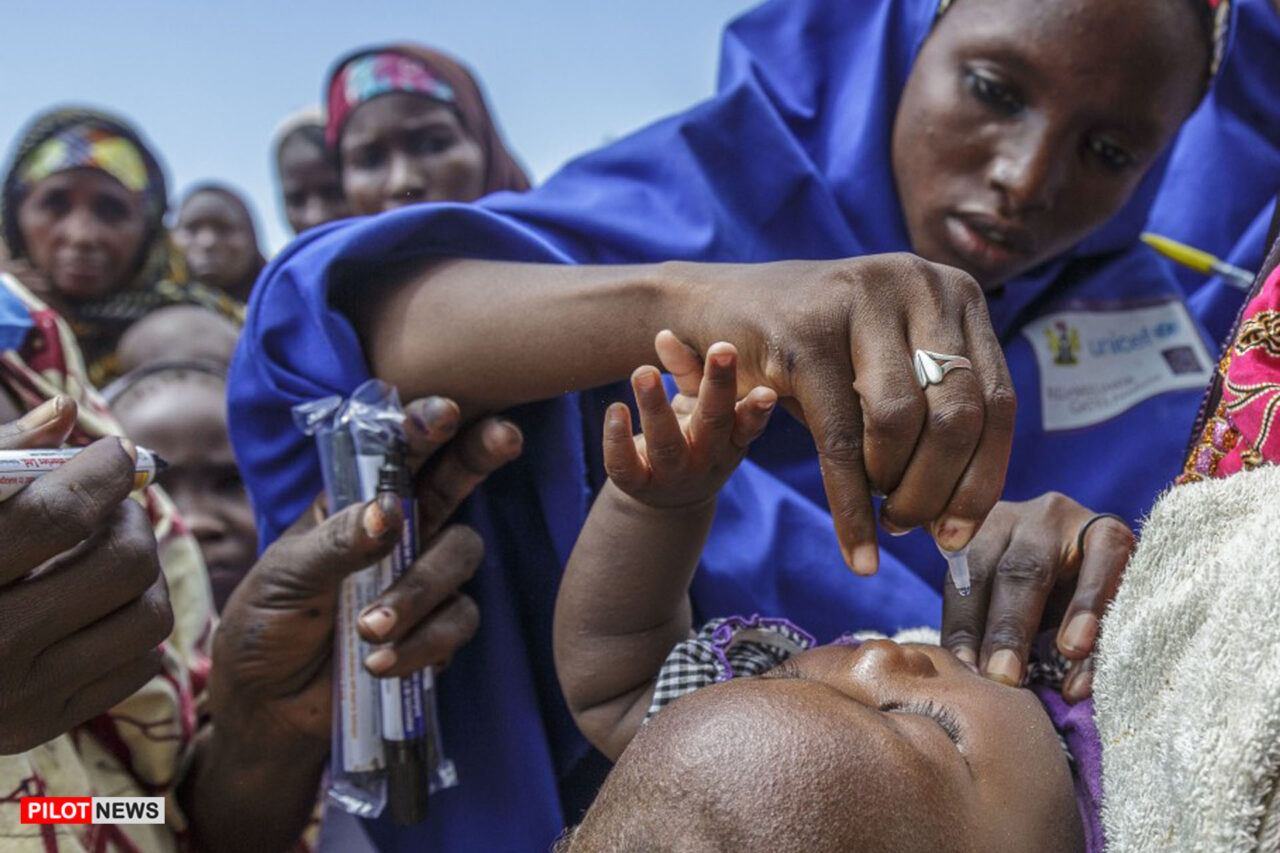
Vaccination
Vaccination
Share
Facebook Twitter LinkedIn Pinterest Email

The Situation Analysis (SitAn) of Children in Nigeria Report has identified some of the reasons why 53.9 per cent of children in the country are multi-dimensionally poor.

The report, launched during the 2024 World Children’s Day celebration on Nov. 20, is a policy document prepared by the Federal Government with support from the United Nations Children’s Fund (UNICEF) to identify and understand specific child issues.

According to the report, corruption, unemployment, lack of political will, violence and insurgency and inadequate investment in social sectors play significant roles in making Nigerian children poor.

It added that displacement and resettlement place additional pressure on existing resources, further exacerbating child poverty in Nigeria.

The report defined child poverty as “a situation where children experience deprivation of the material, spiritual and emotional resources needed to stay alive, develop and thrive, thus leaving them unable to enjoy their rights, achieve their full potential and participate as full and equal members of society.”

It stated that the seven poverty indicators for children are: health, water, sanitation, nutrition, shelter, education and information.

Explaining the Multidimensional Poverty Index (MPI) analysis, the report noted that across the 36 states of the federation and the Federal Capital Territory (FCT), disparities exist in the multi-dimensional poverty of children.

It added that “in Osun State, the incidence of poverty was lowest at 17.5 per cent, incidence of deprivation was 35.5 per cent and the Human Development Index (HDI) ranking was 14th in Nigeria.

“In Sokoto State, the incidence of poverty was very high at 89.9 per cent, incidence of deprivation was 50.4 per cent and the HDI ranking was 37 per cent.

“In Lagos State, poverty incidence was 27.8 per cent, incidence of deprivation was 36.8 per cent, while the HDI ranking was one per cent.”

The report indicated that when disaggregated by rural and urban, 29.7 per cent of urban children were multi-dimensionally poor against 65.7 per cent of rural children.

It added that children living in Sokoto State 80.4 per cent, Kebbi 74.9 per cent and Zamfara 74 per cent were worse off, experiencing the highest multidimensional deprivation.

“On the other hand, less than 20 per cent of children living in Edo (19 per cent) and Lagos State (17.3 per cent) were multi-dimensionally poor.

“Multi-dimensionally poor children living in Sokoto State deprived in 74.1 per cent of the total number of deprivations compared to 57.7 per cent of children living in Lagos.”

It said that households with higher number of members and/or children show higher multidimensional deprivation rates than smaller households.

It also implied that children in homes with uneducated household heads and/or mothers are more likely to be multi-dimensionally poor compared with children whose household heads attained secondary or higher education levels.

It stated that a larger proportion of children with illiterate mothers are multi-dimensionally poor than children with literate mothers.

“A striking case of multiple deprivations among children can be observed in the case of Almajiri children.

“These children are always on the move and are deprived of decent living conditions, good food and nutrition, water and basic sanitation, access to healthcare facilities, access to education and parental care.

“They are also deprived protection from violence and abuse, participation in decisions affecting their lives, and are often subjected to child labour and abuse.

“They are also taken advantage of during times of conflict and often obliged to carry arms.”

To ameliorate the situation, the report recommended that stakeholders should play certain roles.

It said that family and close caregivers should play crucial roles in alleviating child poverty and securing protection for children.

The report notes that children in poverty depend greatly on the existence of public healthcare, education and social services to develop capabilities and learn to function.

It added that these institutions and their programmes therefore must be inclusive and structured in an affordable and accessible way and be used by children who need them.

“Effective governance at all levels will ensure sound policy, equitable spread and judicious use of resources for investments that enhance household livelihoods, reduce poverty and foster the rights of children.

“Government needs to support families and households by providing minimum income that is sustainable to ensure that financial barriers do not prevent children from reaching their potential.”

SitAn was first published in 2022 primarily based on household survey data from the Multiple Indicator Cluster Survey (MICS 2016-2017) and the Demographic and Health Survey (DHS 2018).

An updated version was published and launched in 2024 to support government’s efforts to shape policies and shift investment patterns to benefit Nigerian children.

NAN

Children UNICEF
Share. Facebook Twitter Pinterest LinkedIn WhatsApp Reddit Tumblr Email
Editor
  • Website

Related Posts

Stella heart foundation launches youth substance abuse campaign

June 8, 2026

NCS urges full implementation of cancer survivorship support

June 8, 2026

Kano inaugurates management teams to boost healthcare standards

June 7, 2026

Leave A Reply Cancel Reply

Karibi-George wins Miss world Nigeria 2026

June 8, 2026

Cui wins boys’ singles at 2026 NASCO/ITF J30 junior tennis in Abuja

June 8, 2026

Fire destroys Iyanu plastic store in Osogbo, property worth millions lost

June 8, 2026

NCC supports girls in ICT with industry excursion for 185 students

June 8, 2026
About Us
About Us

ASHENEWS (AsheNewsDaily.com), published by PenPlus Online Media Publishers, is an independent online newspaper. We report development news, especially on Agriculture, Science, Health and Environment as they affect the under-reported rural and urban poor.

We also conduct investigations, especially in the areas of ASHE, as well as other general interests, including corruption, human rights, illicit financial flows, and politics.

Contact Info:
  • 1st floor, Dogon Daji House, No. 5, Maiduguri Road, Sokoto
  • +234(0)7031140009
  • ashenewsdaily@gmail.com
Facebook Twitter Instagram Pinterest
© 2026 All Rights Reserved. ASHENEWS Daily Designed & Managed By DeedsTech

Type above and press Enter to search. Press Esc to cancel.