


Indigenous Peoples and feminist movements have called for a rights-based and inclusive approach to the global energy transition, warning that current efforts risk deepening existing inequalities if not properly structured.
The groups made the call in a joint position presented at the First International Conference on the Just Transition Away from Fossil Fuels held in Santa Marta, Colombia, where global leaders are meeting to deliberate on pathways to phase out fossil fuels.
Drawing from global consultations and frontline experiences, Indigenous leaders reaffirmed their status as rights-holders and custodians of lands, waters, and biodiversity. They stressed that meaningful climate and economic justice cannot be achieved without full respect for self-determination, Free, Prior and Informed Consent (FPIC), and legal protection of their territories.
ALSO READ Global Mentoring Walk 2026 strengthens mentorship network in Kaduna
They cautioned that any transition framework that overlooks these principles could replicate the same injustices associated with fossil fuel exploitation.
Feminist organisations, including Shine Collab, echoed these concerns, advancing an eco-feminist perspective that challenges entrenched systems such as patriarchy, colonialism, and extractivism. The groups argued that transitioning to renewable energy must go beyond replacing fossil fuels with new technologies and instead address structural inequalities within global economic systems.
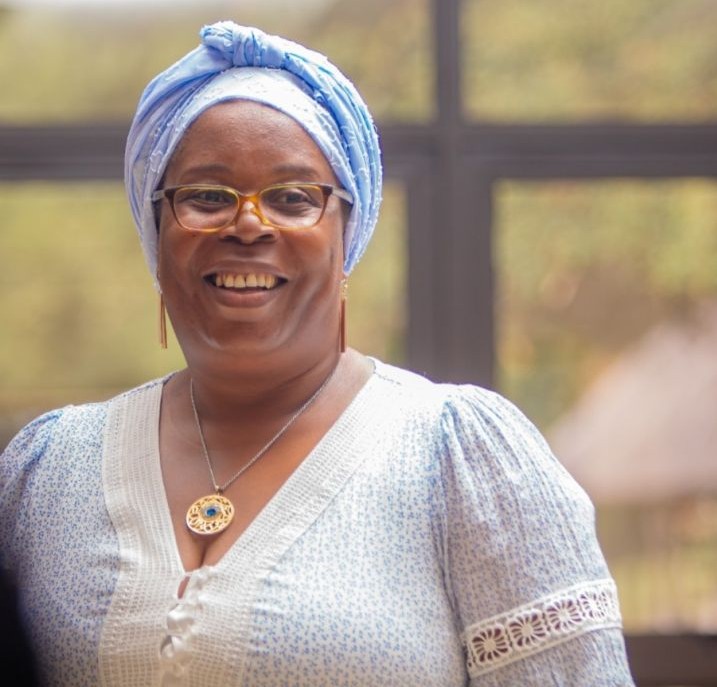
Speaking at the conference, Dr. Mela Chiponda of Shine Collab said a transition that perpetuates dispossession under the guise of sustainability would fail to deliver justice.
Across the Global South, stakeholders highlighted emerging risks linked to “green extractivism,” particularly the expansion of mining for critical minerals used in renewable technologies. Indigenous representatives warned that such activities, often undertaken without community consent, could lead to land dispossession, environmental damage, and cultural disruption.
Feminist advocates noted that the impacts are frequently gendered, disproportionately affecting women through loss of livelihoods, increased care burdens, and heightened exposure to violence.
The conference also spotlighted practical alternatives. In Zimbabwe’s Bikita district, a surge in lithium mining has intensified pressure on community land rights. In response, Shine Collab and its partners have implemented the Hanyanya Solar Project, a community-driven renewable energy initiative focused on empowering women.
The project provides access to clean energy while strengthening women’s knowledge of land rights, governance, and advocacy, helping communities take greater control of their development pathways.
Participants at the conference emphasised that a just transition must prioritise Indigenous governance systems, ensure inclusive and gender-responsive decision-making, and safeguard lands, territories, and natural resources.
They also called for a shift away from extractive economic models and rejected what they described as “false climate solutions,” including geoengineering and market-based approaches that commodify nature.
Instead, the groups advocated for decentralized, community-owned energy systems that promote energy sovereignty and equitable access.
The joint position further highlighted the importance of recognising and supporting care work, which is largely undertaken by women, as a critical component of sustainable societies. Advocates called for increased public investment and policy reforms to address this imbalance.
In addition, both Indigenous and feminist leaders urged for direct and accessible climate financing that enables communities to design and implement locally driven solutions, while stressing the need for reparative justice to address historical harms caused by fossil fuel extraction.
Organisers of the Santa Marta conference clarified that the meeting is intended to complement, not replace, formal multilateral climate negotiations. Outcomes from the conference are expected to inform ongoing global discussions, including preparations toward COP31 scheduled for November 2026.
As deliberations continue, participants maintained that a just energy transition must be community-led, grounded in human rights, and focused on equity, warning against top-down approaches driven primarily by profit.
They said the growing alliance between Indigenous and feminist movements is reshaping global discourse on climate action, emphasising the need to align environmental sustainability with social justice.
